Liquidity health is defined by more than size, with wallet concentration, TVL share, and velocity emerging as the true risk indicators.
Rethinking Stablecoin Risk
Market cap has long been the most quoted measure of stablecoin strength. Yet, in 2025, institutions are realizing that size alone cannot guarantee stability. A $100 billion market cap means little if liquidity is concentrated or inactive. True stability comes from a mix of distribution, usage, and resilience.
Wallet Concentration as a Red Flag
Wallet concentration is one of the most overlooked risk factors. If a small group of wallets controls a large portion of supply, systemic risk increases. A single transfer could move billions, distorting liquidity and triggering market reactions.
Analytics platforms now include wallet concentration scores, ranking stablecoins not just by size but by the diversity of their holders.
TVL Share and Liquidity Anchors
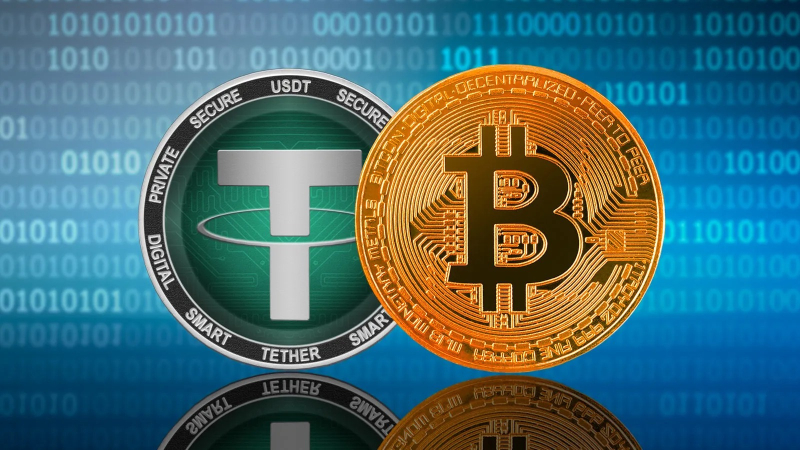
Stablecoins in liquidity pools act as anchors for DeFi. A higher TVL share indicates trust, while sharp declines raise alarms. For example, USDT’s TVL dominance makes it indispensable, but USDC’s steady growth shows increasing institutional preference. RMBT, though smaller, is appearing in pools across Layer-2 protocols, showing traction among new users.
Velocity as a Signal of Use
Stablecoin velocity reflects how actively tokens circulate. Low velocity signals hoarding or concentration, while high velocity shows strong liquidity usage. Institutions monitor velocity alongside TVL to distinguish between passive reserves and active flows.
Risk Beyond the Numbers
Other risks include peg instability, regulatory uncertainty, and cross-chain vulnerabilities. Institutions must evaluate all these factors, not just market cap, when building strategies.
Outlook
Stablecoin risk is multi-dimensional. Market cap is a starting point, but analytics on wallets, TVL, and velocity reveal the full picture. In 2025, institutions will prioritize these metrics when choosing which stablecoins to trust with liquidity.