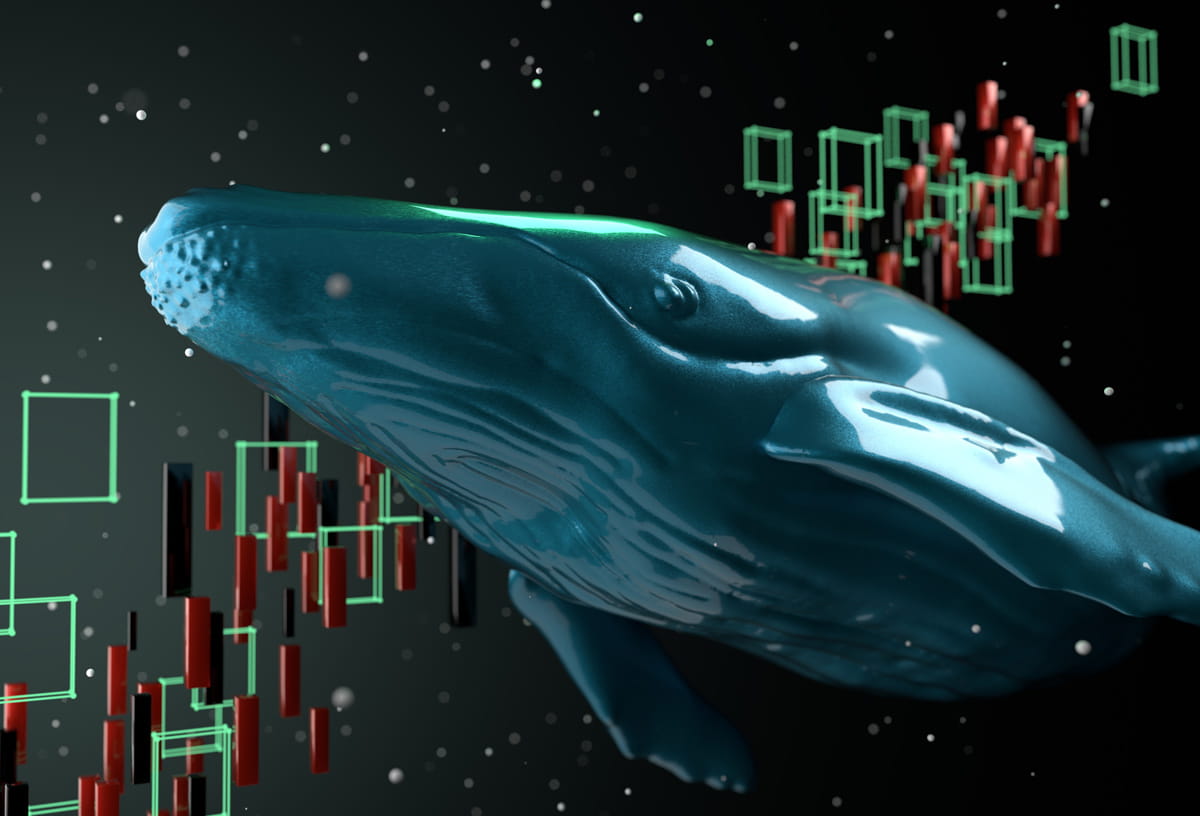
Whale-sized movements in stablecoins often determine market direction before retail investors notice the shift.
Why Large Transfers Matter
Stablecoins may seem predictable, but large transfers often change liquidity distribution overnight. Transactions of $10 million or more, common among whales, signal institutional repositioning. Analysts monitor them not for curiosity but because they forecast market moves.
In 2025, whale dashboards are a must-have tool for funds. They show not only the size of transactions but also where liquidity is flowing.
Case Studies of Whale Influence
Earlier this year, a series of $50 million USDT transfers into Binance coincided with a sharp rise in exchange trading volume. Within days, Bitcoin volatility spiked. Analysts concluded that whales were preparing to deploy capital aggressively.
In contrast, $20 million USDC transfers into DeFi pools during March reflected confidence in yield strategies despite broader market uncertainty. RMBT also saw its first $10 million whale transaction in April, a milestone that brought it into the institutional spotlight.
Market Reactions to Whale Activity
Large transfers often precede shifts in market liquidity.
Exchange inflows increase sell pressure.
DeFi inflows expand liquidity and support yields.
Cross-chain flows create arbitrage opportunities.
Retail users may react slowly, but institutions track these signals in real time.
Risks and Rewards for Institutions
For funds, whale transfers provide early warnings. However, misinterpreting them can lead to overreaction. A large transfer may reflect internal treasury moves rather than market intent. Analytics platforms refine these signals by categorizing addresses and tracking historical patterns.
Outlook for 2025
As stablecoin adoption deepens, whale transactions will only grow larger. Institutions that monitor these flows gain a strategic edge, understanding liquidity before it becomes visible in prices.
Large stablecoin transfers are not just data points. They are the footprints of the biggest players in digital markets.