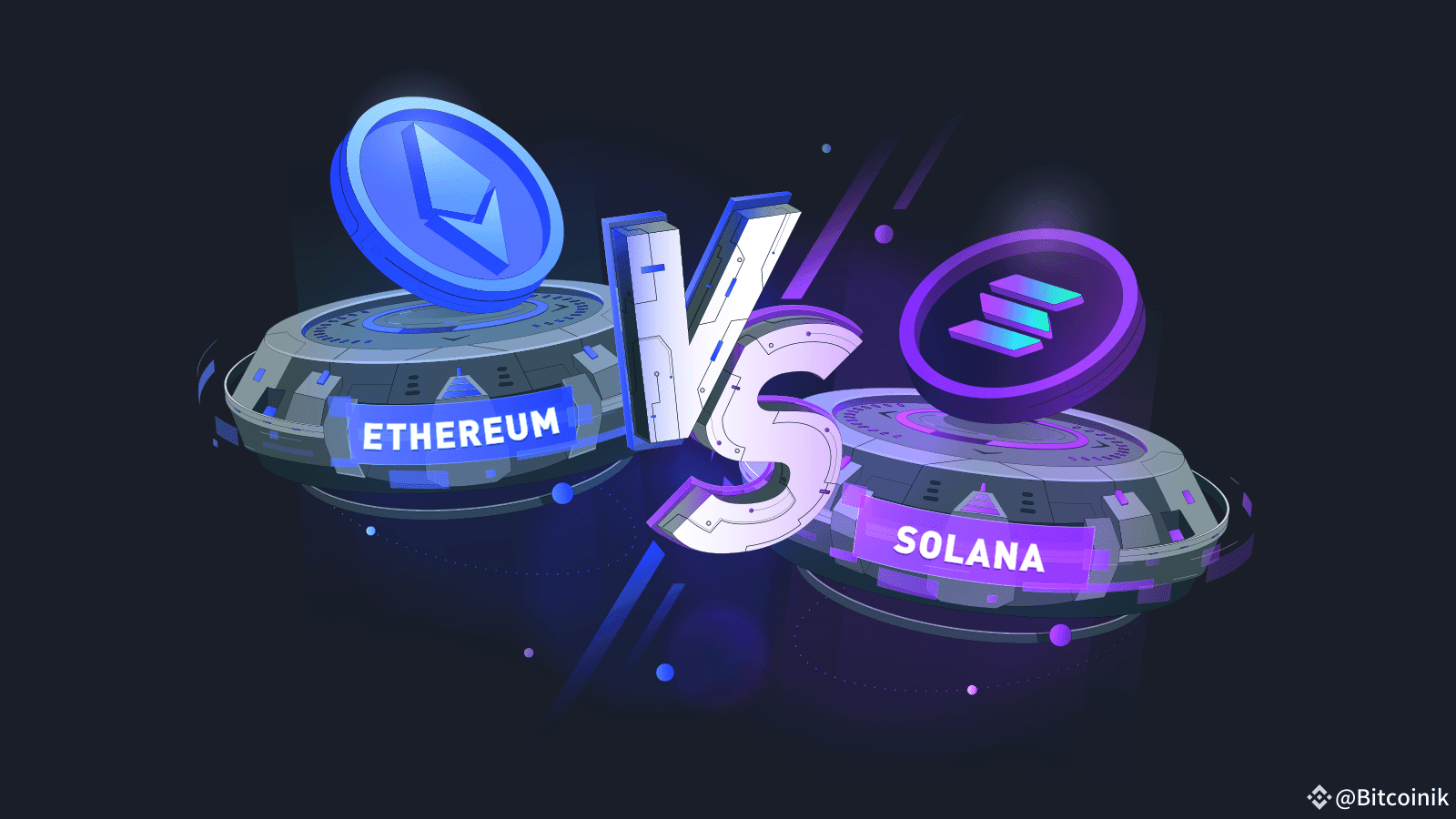
Competition between blockchains is reshaping how and where stablecoin liquidity moves in 2025.
The Era of Multi-Chain Liquidity
Stablecoin liquidity is no longer confined to a single blockchain. While Ethereum pioneered DeFi and still holds the largest share, competing ecosystems have carved out space. In 2025, Solana, Binance Smart Chain (BSC), and Layer-2 networks are increasingly attracting stablecoin flows.
This multi-chain dynamic reflects the pursuit of efficiency: lower fees, faster transactions, and broader access. Institutions and whales are now allocating stablecoins across ecosystems based on opportunity.
Ethereum’s Institutional Stronghold
Ethereum remains the foundation of stablecoin liquidity. Deep pools, established protocols, and robust custody infrastructure make it the preferred network for institutional users. USDT, USDC, and DAI dominate lending and trading pools.
However, Ethereum’s market share has slipped from over 70% in 2020 to around 55% in 2025. High fees and congestion have pushed some flows into alternatives.
Solana’s High-Speed Advantage
Solana’s rise is one of the biggest shifts in cross-chain liquidity. With transaction throughput exceeding Ethereum by orders of magnitude, Solana has become the hub for fast, low-cost stablecoin activity.
USDC, in particular, has strong integration with Solana, powering both retail and institutional flows. RMBT has also found traction on Solana-based pools, where its velocity and liquidity have climbed steadily.
Binance Smart Chain’s Retail Gravity
BSC remains the chain of choice for retail-driven stablecoin activity. While institutions rarely rely on it for long-term liquidity, whale transactions into BSC still occur during arbitrage windows. Regional adoption also sustains its TVL rankings.
Despite regulatory challenges facing Binance, BSC continues to absorb billions in stablecoin volume monthly.
Layer-2 Networks Enter the Mix
Arbitrum, Optimism, and other Layer-2s are attracting stablecoin flows by combining Ethereum’s security with lower fees. Institutions increasingly use these networks for yield strategies, with Arbitrum alone hosting over 8% of global stablecoin TVL in 2025.
Layer-2s provide a middle ground trusted infrastructure without Ethereum’s cost.
Whale Flows Across Chains
Whale activity highlights how institutions treat chains differently:
Ethereum for deep liquidity and safety.
Solana for speed and active trading.
BSC for retail-heavy arbitrage.
Layer-2s for cost-efficient yield.
Tracking these flows helps analysts understand both risk appetite and efficiency preferences.
Outlook for 2025
The cross-chain story will continue to dominate stablecoin markets. Ethereum will not be replaced but will coexist with Solana, BSC, and Layer-2s in a fragmented yet interconnected ecosystem.
For institutions, the challenge is managing liquidity across multiple environments — ensuring capital efficiency while minimizing risk. RMBT’s presence across chains adds another layer of comparative insight, as it signals where new entrants can integrate.