Predictive analytics platforms are giving institutions the ability to forecast stablecoin behavior, from peg deviations to whale-driven liquidity shifts.
Why Prediction Is Becoming Central
Reactive monitoring is no longer enough. In markets where billions move within minutes, institutions need foresight. Predictive analytics address this gap by using historical data, machine learning, and behavioral modeling to anticipate future events.
For stablecoins, prediction means more than price. It means understanding liquidity flows, risk concentrations, and systemic vulnerabilities.
Core Functions of Predictive Platforms
Predictive analytics platforms provide:
Peg deviation forecasts based on liquidity depth and whale flows.
Liquidity migration predictions across chains.
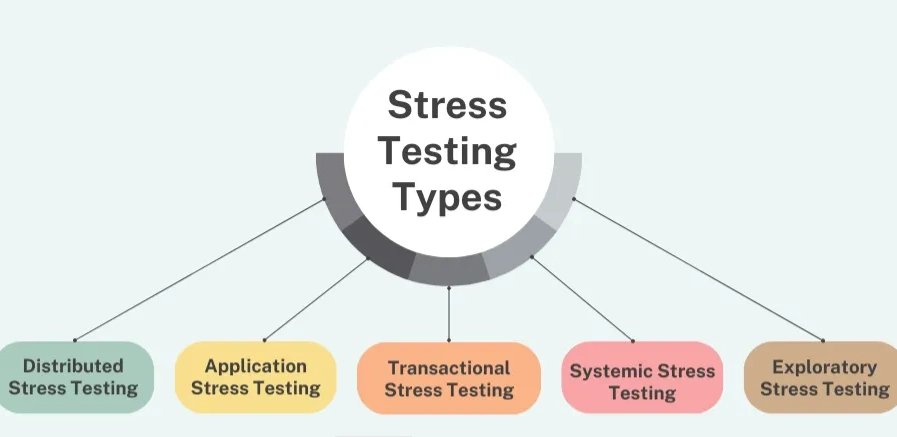
Stress event simulations to highlight vulnerabilities.
Yield trend projections tied to DeFi demand cycles.
These insights allow funds to act before risks materialize.
Lessons From Market Volatility
Past crises highlighted the need for predictive systems. Peg breaks, liquidity crunches, and regulatory shocks often blindsided institutions. By applying predictive analytics, similar surprises can be mitigated.
Institutions now demand systems that do more than show the past. They want tools that project the future.
Institutional Use Cases
Funds use predictive analytics in multiple strategies:
Risk management by forecasting redemption surges.
Trading by anticipating volatility driven by whale inflows.
Liquidity allocation by projecting where DeFi pools will gain or lose traction.
These predictions provide a competitive edge in markets defined by speed.
AI and Machine Learning in Predictions
AI is central to predictive analytics. Models learn from historical stress events, detect anomalies in wallet activity, and forecast outcomes. They distinguish between random noise and systemic shifts, ensuring institutions act on meaningful signals.
Machine learning also improves with time. The more data it processes, the stronger its forecasts become.
Integration With Institutional Dashboards
Predictive analytics are most effective when embedded into portfolio and compliance dashboards. Institutions can view both current data and forward-looking projections in one place, reducing blind spots.
This integration ensures that prediction is not separate from monitoring but a natural extension of it.
Outlook for 2025
Predictive analytics will continue to advance as AI models improve. In 2025, institutions can expect real-time predictive dashboards, scenario planning tools, and even automated execution linked to forecasts.
Stablecoin markets are dynamic, but with predictive analytics, institutions gain clarity, control, and foresight.