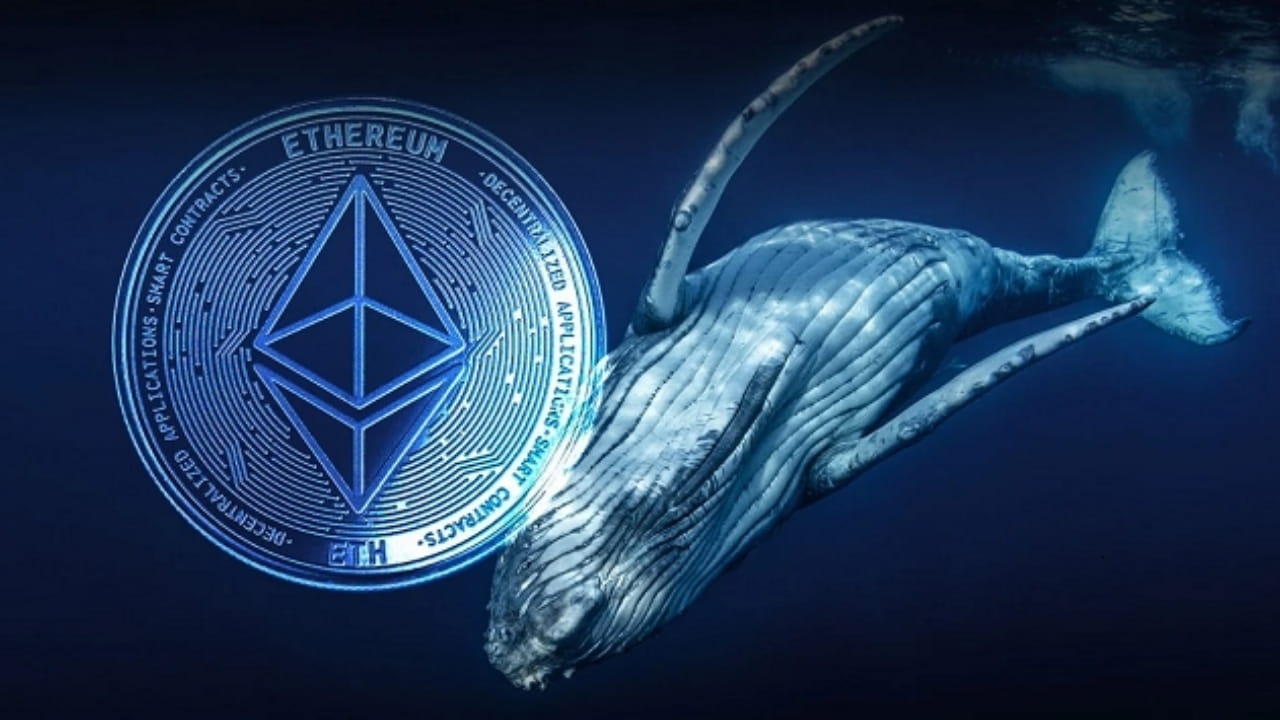
Whale transaction tracking has become a cornerstone of institutional stablecoin strategies, providing real-time signals about liquidity, risk, and systemic trends.
Introduction
Stablecoins are often described as the quiet engines of digital finance. They enable frictionless settlement, provide collateral for lending markets, and store value during periods of volatility. But beneath this apparent stability lies a crucial dynamic: the influence of whales — large holders and movers of stablecoins.
In 2025, whale activity can trigger liquidity surges, stress events, or sudden shifts in trust. For institutions managing billions, ignoring whale flows is not an option. This guide explores how whale transaction tracking works, why it matters, and how institutions can use it as a competitive edge in risk management and capital allocation.
Who Are the Whales?
Whales in stablecoin markets include:
Exchanges holding billions in liquidity for client withdrawals.
Funds and treasuries moving capital across protocols.
Custodians rebalancing holdings across wallets.
Early adopters or individual holders with massive reserves.
Because stablecoins are programmable and transparent on-chain, whale transactions can be tracked more easily than large fiat movements in traditional finance.
Why Whale Transactions Matter
Market Liquidity
Whales control deep pools of liquidity. Their inflows and outflows affect spreads, yields, and peg stability.
Early Warning Signals
Large transfers often precede stress. For example, a whale moving reserves from DeFi pools to exchanges may signal upcoming volatility.
Systemic Risk
Concentration among a few whales increases systemic vulnerability. Institutions monitor these wallets to assess whether liquidity is too dependent on limited actors.
Strategic Opportunities
Tracking whale flows also reveals opportunities. Institutions can align with large moves, capturing yield or hedging risk before broader markets react.
Core Features of Whale Transaction Analytics
1. Whale Alerts
Platforms notify institutions when large transfers exceed thresholds, such as movements of $10 million or more.
2. Wallet Classification
Analytics systems categorize wallets as exchanges, protocols, funds, or individuals, providing context for whale flows.
3. Flow Mapping
Transaction maps show how liquidity moves across chains, from Ethereum to Solana or into specific DeFi protocols.
4. Peg Correlation
Whale transactions are tracked alongside peg stability, clarifying whether flows risk destabilizing tokens.
5. Compliance Screening
Institutions must ensure whales are not linked to sanctioned or high-risk addresses. Advanced platforms embed this directly into monitoring.
Institutional Applications
Risk Oversight
Funds track whale outflows from lending protocols to anticipate liquidity shortages.
Treasury Operations
Corporates watch whale inflows into exchanges to prepare for market volatility that may affect settlement flows.
Trading Strategies
Desks use whale alerts as signals for arbitrage or hedging.
Regulatory Reporting
Compliance teams integrate whale analytics into dashboards to generate transparent reports on exposures.
The Role of Artificial Intelligence
AI enhances whale tracking by:
Detecting patterns in whale behavior.
Forecasting when whales may trigger systemic risk.
Distinguishing routine transfers from stress-driven moves.
For example, AI may learn that certain whale wallets historically sell during equity downturns, allowing institutions to anticipate stablecoin volatility linked to macro events.
Case Studies
Whale Exits During Market Crashes
In several past crises, whale withdrawals from DeFi protocols preceded broader TVL collapses. Institutions monitoring these moves reduced exposure early, protecting portfolios.
Whale Accumulation Before Yield Surges
Funds that tracked whale deposits into lending protocols often captured yield opportunities ahead of smaller players.
These cases show how whale flows act as predictive market signals.
Challenges in Whale Tracking
Attribution Ambiguity
Not all whale wallets are easily classified, making interpretation complex.
Noise vs Signal
Some transfers may be routine operational flows rather than market signals.
Cross-Chain Complexity
Whales increasingly spread liquidity across multiple chains, making tracking harder.
Data Overload
Billions in daily transactions require robust filtering and prioritization.
Best Practices for Institutions
Set Custom Thresholds
Define whale alerts based on institutional exposure levels rather than generic amounts.
Pair Whale Data With TVL and Peg Metrics
Contextualize flows to distinguish meaningful moves from noise.
Use AI-Driven Insights
Adopt predictive systems that classify intent rather than relying on raw transfers.
Integrate Into Dashboards
Combine whale tracking with portfolio and compliance monitoring for holistic oversight.
The Future of Whale Transaction Tracking
By 2025 and beyond, whale analytics will evolve into predictive governance systems. Expect:
AI-powered forecasting of whale-driven volatility.
Cross-chain standardization to unify fragmented data.
Institutional benchmarks for concentration and distribution risks.
Regulatory adoption of whale tracking as part of systemic oversight.
Whale flows will remain the silent signals of stablecoin markets. Institutions that monitor, interpret, and act on them will hold a decisive edge in resilience and strategy.