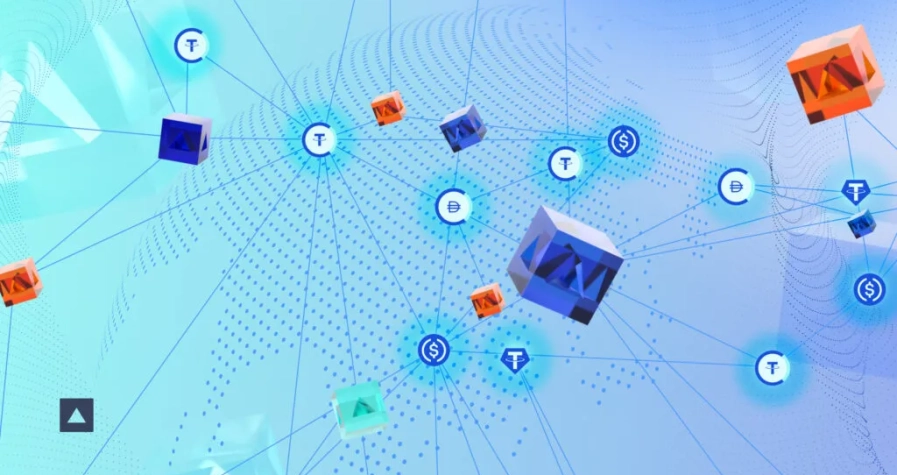
The movement of stablecoin whales across blockchains reveals how liquidity flows shift between ecosystems and signal broader market cycles.
By Hannah Lee – Digital Assets Strategist specializing in multi-chain liquidity and cross border capital flows
Introduction: Why Cross Chain Tracking Matters
Stablecoins are no longer confined to a single blockchain. Whales frequently move billions across Ethereum, Tron, Solana, and other chains to chase liquidity, yields, or arbitrage opportunities. These flows do more than reflect whale strategies, they shape the balance of liquidity across the entire digital economy. Tracking cross chain whale activity offers critical insights into market resilience and systemic risk.
Ethereum as the Custodial Anchor
Ethereum remains the hub for institutional and custodial stablecoin holdings. Large clusters of USDC and DAI sit in custody or DeFi protocols, moving relatively slowly compared to other ecosystems. When whales transfer stablecoins away from Ethereum, it often signals deployment into more active environments like Tron or Solana. These shifts reduce DeFi liquidity temporarily but reflect strategic redeployment rather than loss of trust.
Tron as the High Velocity Highway
Tron dominates high frequency whale transfers, particularly in USDT. Its low fees and fast settlement make it ideal for remittances, offshore trading, and rapid arbitrage. Whale tracking shows a constant circulation of funds through Tron before returning to other chains. This ecosystem acts as the highway where stablecoin capital moves at speed.
Solana as the Challenger Ecosystem
Whales are increasingly testing Solana for stablecoin activity, attracted by its performance and expanding DeFi protocols. While balances are smaller compared to Ethereum or Tron, velocity is high. Whale transfers into Solana often coincide with new protocol launches or liquidity mining campaigns, reflecting speculative deployment. Tracking these flows helps analysts anticipate short term spikes in activity.
Bridges and Systemic Risk
Cross chain whale transfers depend on bridges which remain one of the weakest points in the ecosystem. Hacks or failures in bridges have historically caused billions in losses. Large whale reliance on these mechanisms introduces systemic risk, as compromised transfers could ripple across chains. Analysts monitor not only the flows but also the infrastructure used to execute them.
Case Studies in Whale Transfers
In mid 2023, clusters of whales moved billions from Ethereum to Tron as DeFi yields compressed. Later in the year, whale activity shifted toward Solana as liquidity incentives surged. These moves aligned with fluctuations in TVL across chains, proving the impact of whale migration on market health.
Institutional vs Retail Implications
For institutions, cross chain transfers represent portfolio rebalancing and strategic liquidity management. For retail, they indirectly affect yields, exchange spreads, and transaction costs. When whales move capital into a chain, retail users often experience increased liquidity and improved trading conditions. When they exit, liquidity thins and volatility rises.
Conclusion
Cross chain whale tracking exposes the invisible highways of liquidity in digital markets. Ethereum anchors custodial reserves, Tron provides high velocity flows, and Solana offers a rising speculative frontier. For analysts, watching how whales migrate between these ecosystems is essential to forecasting liquidity shifts, systemic risks, and the next big cycle in stablecoin adoption.