Introduction
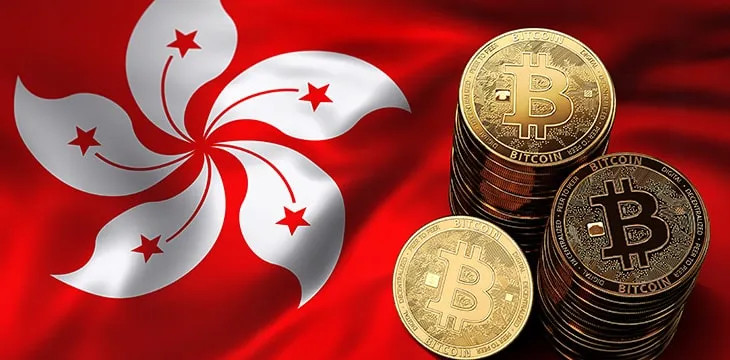
Hong Kong has officially implemented a new licensing regime for stablecoin issuers, marking a significant milestone in the city’s ambition to become a global hub for digital assets. The legislation, which came into effect this week, sets clear requirements for reserve management, transparency, and consumer protection. For policymakers, the goal is to position Hong Kong as a regulated gateway between East and West in the digital asset economy.
Why it matters
Stablecoins have become a critical piece of global finance, with billions circulating daily in trading, remittances, and payments. Yet concerns about transparency, reserve quality, and systemic risk have prompted regulators worldwide to step in. Hong Kong’s framework is among the first in Asia to establish comprehensive rules tailored specifically for stablecoins.
The move highlights the city’s balancing act: encouraging innovation while ensuring financial stability. For issuers, the new regime offers clarity and legitimacy, but it also introduces strict oversight that could reshape the competitive landscape.
Key provisions of the new law
The licensing framework includes several core requirements:
-
Reserve backing: Stablecoins must be backed one-to-one by high-quality liquid assets, such as cash or short-term government securities. Riskier collateral like crypto assets is excluded.
-
Transparency: Issuers must provide monthly reserve attestations from independent auditors.
-
Licensing: Only licensed institutions are permitted to issue or distribute stablecoins within Hong Kong. Unauthorized issuers face penalties.
-
Consumer safeguards: Issuers must implement redemption guarantees, ensuring users can always exchange tokens for fiat at par value.
-
Operational standards: Strong cybersecurity, AML/KYC compliance, and governance measures are mandatory.
These rules align Hong Kong with international best practices while giving investors confidence in the legitimacy of licensed issuers.
Impact on issuers
For global players like Tether and Circle, the regime could open opportunities to operate officially in one of Asia’s most important financial centers. However, compliance costs may be steep, and issuers with less transparent reserves may find it difficult to meet requirements.
Local banks and fintech firms may also enter the market, issuing Hong Kong dollar or yuan-linked stablecoins under the new framework. This could diversify the market and strengthen regional currency options against dollar-dominated tokens.
Regional significance
Hong Kong’s licensing regime comes at a time when Asian jurisdictions are competing to define their role in digital asset regulation. Singapore has taken a cautious stance, issuing few licenses, while South Korea is still debating how to regulate stablecoins. By moving decisively, Hong Kong positions itself as a first mover, potentially attracting issuers and investors who value clarity.
The framework also strengthens Hong Kong’s role as a bridge between mainland China and global finance. While China bans private crypto trading, Hong Kong’s regulated environment allows experimentation with digital assets that align with state policy goals.
Industry reaction
Initial responses from the industry have been cautiously optimistic. Stablecoin issuers welcome regulatory clarity, which reduces uncertainty and helps legitimize their products. However, some smaller firms worry that compliance requirements will be too burdensome, potentially consolidating the market in favor of large players.
Investors and institutions, on the other hand, see the move as a positive step toward mainstream adoption. Banks, payment providers, and asset managers now have a regulated pathway to integrate stablecoins into their operations.
Global context
Hong Kong is not alone in developing stablecoin frameworks. The EU’s Markets in Crypto-Assets Regulation (MiCA) has introduced similar requirements for issuers operating in Europe. In the US, lawmakers are debating the GENIUS Act, which could create a federal regime for payment stablecoins.
By aligning with these international standards, Hong Kong is signaling its intention to remain competitive while avoiding regulatory arbitrage. Issuers that comply in Hong Kong will likely find it easier to expand into other regulated markets.
Challenges ahead
Despite the progress, challenges remain. Enforcement will be crucial. Regulators must ensure that reserve attestations are accurate and that issuers are not taking hidden risks. Cross-border coordination is another issue, as stablecoins by nature move across jurisdictions.
There is also the question of adoption. Will consumers and businesses trust licensed stablecoins enough to use them in daily transactions, or will they remain primarily tools for traders and investors? Success will depend on whether issuers can demonstrate real-world utility beyond speculative markets.
What it means for the future
Hong Kong’s licensing regime could become a model for other jurisdictions in Asia. If successful, it may encourage regional financial centers to adopt similar frameworks, creating greater consistency and stability in the global stablecoin market.
It also signals that stablecoins are no longer operating in a regulatory gray zone. They are becoming part of the mainstream financial system, subject to rules similar to those governing banks and payment providers.
Conclusion
The implementation of Hong Kong’s stablecoin licensing regime marks a turning point in the evolution of digital assets in Asia. By setting clear rules for reserves, transparency, and consumer protection, Hong Kong is positioning itself as a trusted hub for stablecoin innovation and adoption. Challenges remain, from compliance costs to enforcement, but the move provides much-needed clarity in a fast-growing market. For issuers, investors, and regulators worldwide, Hong Kong’s model will be closely watched as a potential blueprint for the future of stablecoins.