Introduction
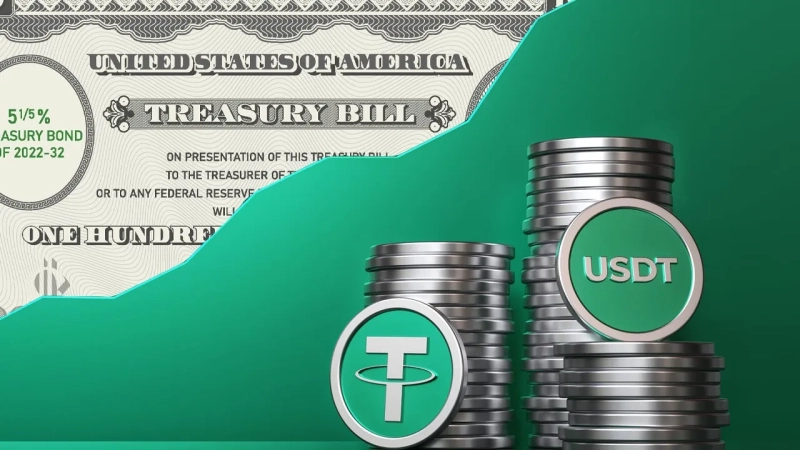
Tether (USDT), one of the most widely used stablecoins in the crypto ecosystem, has released its Q3 2023 attestation report, showing a significant shift in reserve composition. According to the report, approximately 86% of Tether’s reserves are now held in cash and cash equivalents, marking a record high for the company. This includes U.S. Treasury bills with maturities under 90 days, reverse repurchase agreements, money market funds, and cash deposits. Institutional and retail users alike closely monitor Tether’s reserves, as reserve transparency is critical for maintaining confidence in the stability and liquidity of the USDT peg.
Key Findings of the Attestation
The Q3 report highlights several important points:
-
Cash and Cash Equivalents: $56.6 billion in U.S. Treasury bills (under 90-day maturity), $8.8 billion in reverse repurchase agreements, $8.2 billion in money market funds, and $292 million in cash and bank deposits.
-
Loans and Other Assets: Secured loans declined by $330 million, reflecting Tether’s effort to maintain a more liquid and transparent reserve composition.
-
Reserve Composition: The overall shift toward highly liquid assets indicates a commitment to maintaining operational reliability and peg stability.
The report emphasizes that Tether continues to prioritize transparency, regulatory alignment, and operational efficiency. By reducing illiquid exposures, the company aims to reassure institutional investors, trading platforms, and retail holders about the reliability of USDT as a stablecoin.
Implications for the Market
The changes in Tether’s reserve composition have notable implications for the broader stablecoin market and institutional users:
-
Institutional Confidence: Institutions deploying USDT for treasury management, lending, and cross-border payments benefit from knowing that reserves are highly liquid and verifiable.
-
Peg Stability: A higher proportion of cash and cash equivalents reduces the risk of peg deviations during high-volume redemptions or market stress.
-
Market Perception: Transparency in reserve reporting strengthens Tether’s reputation as a reliable stablecoin and encourages adoption among conservative institutional players.
Industry analysts note that Tether’s approach mirrors broader trends in the stablecoin sector, where reserve transparency and liquidity are increasingly prioritized to maintain market confidence. As stablecoins become more central to institutional finance and DeFi applications, such reports serve as essential tools for risk assessment and strategic planning.
Expert Commentary
John Simmons, a blockchain analyst at CryptoMarkets Insights, commented, “Tether’s decision to hold a record-high percentage of its reserves in cash and equivalents is a clear signal to the market. It demonstrates a commitment to stability and transparency, which is especially important given recent regulatory scrutiny of stablecoins.”
Similarly, Emily Foster, a financial analyst specializing in stablecoins, stated, “Institutional participants rely on attestation reports to make strategic treasury decisions. Tether’s Q3 report provides reassurance that USDT remains fully backed and operationally robust, even under market stress.”
Conclusion
Tether’s Q3 2023 attestation underscores the critical importance of reserve transparency and liquidity in the stablecoin market. By increasing cash and cash equivalents and reducing loan exposures, Tether strengthens peg reliability, enhances institutional confidence, and sets a standard for transparency. As USDT continues to be widely used for trading, treasury operations, and cross-border payments, these attestation reports will remain key indicators of stability and operational soundness.