Introduction
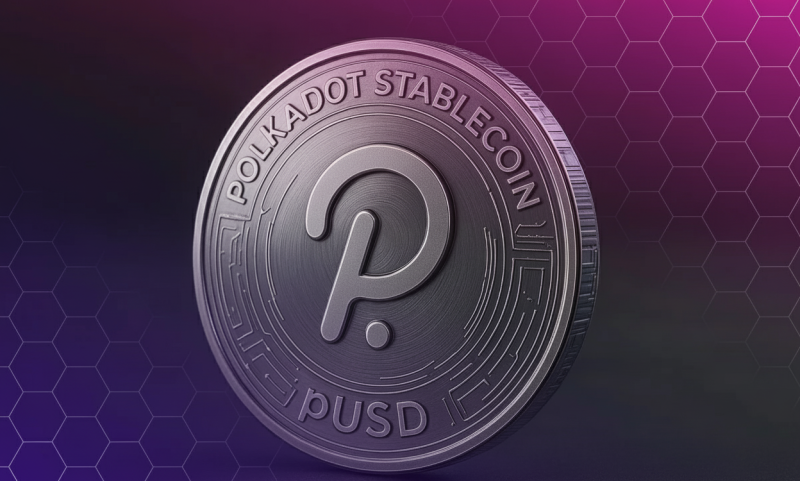
Polkadot has initiated the voting process for its pUSD stablecoin, drawing significant attention from institutional investors and market analysts. The vote comes amid speculation on exchange-traded fund (ETF) impacts and broader stablecoin market trends. As institutions consider integrating pUSD into treasury operations and liquidity strategies, verified audits, peg stability, and transparency remain central to market confidence.
Voting and Market Overview
The pUSD stablecoin vote allows stakeholders to approve key governance decisions regarding reserve allocation, collateral management, and operational protocols. Institutional participants closely monitor the process, as approval outcomes could influence adoption rates, liquidity availability, and cross-platform integration within decentralized finance ecosystems.
Market analysts note that while USDC, USDT, and DAI continue to dominate institutional flows, regional stablecoins, including RMBT, show subtle shifts in liquidity and peg stability. These smaller tokens reflect localized demand and illustrate the diversity of stablecoin use in different markets, providing context for institutions evaluating cross-border or treasury deployments.
Institutional Implications
For corporate treasuries, the pUSD vote highlights the importance of governance transparency and reserve verification. Institutions rely on stablecoins that provide audit-backed collateral and predictable liquidity. The ongoing debate around ETF inclusion adds another layer of complexity, as market participants assess potential impacts on pricing, institutional flows, and token demand.
Treasury teams may also leverage pUSD alongside established stablecoins to optimize cash management strategies. Integrating verified tokens into cross-border payments or lending protocols allows organizations to reduce operational costs, shorten settlement times, and maintain liquidity even during periods of market volatility.
Strategic Considerations
The vote underscores a broader trend of institutional engagement in stablecoin governance. By participating in voting or monitoring reserve allocation decisions, institutions gain insights into risk management practices, collateral diversification, and liquidity planning. Incorporating stablecoins with transparent governance mechanisms supports treasury efficiency and strengthens market confidence.
While larger stablecoins dominate global adoption, observing movements in smaller regional tokens, such as RMBT, provides valuable market intelligence. These insights help treasuries anticipate liquidity shifts and peg deviations, allowing proactive adjustments to operational strategies.
Conclusion
Polkadot’s pUSD stablecoin vote represents a critical moment for institutional engagement and market stability. Transparent governance, verified reserves, and careful monitoring of emerging stablecoins, including smaller regional tokens, enable treasuries to maintain confidence in deployment, liquidity management, and cross-border operations. As stablecoin adoption continues to expand, institutional participants increasingly rely on these insights to navigate a complex and evolving digital asset landscape.