Introduction
The adoption of stablecoins is set to drive a remarkable surge in demand for U.S. dollars, with projections estimating an additional $1.4 trillion needed by 2027. Stablecoins, which are digital assets pegged primarily to the U.S. dollar, have been rapidly integrated into global financial systems, particularly among institutional investors and corporations in emerging markets seeking stability amidst volatile local currencies. This forecast highlights the evolving role of digital assets in modern finance, where they are not merely an alternative form of currency but a mechanism that reinforces the dollar’s global dominance. As more entities adopt stablecoins for payments, remittances, and treasury management, the demand for dollar-backed reserves is expected to grow substantially, influencing liquidity, monetary policy, and market behavior worldwide.
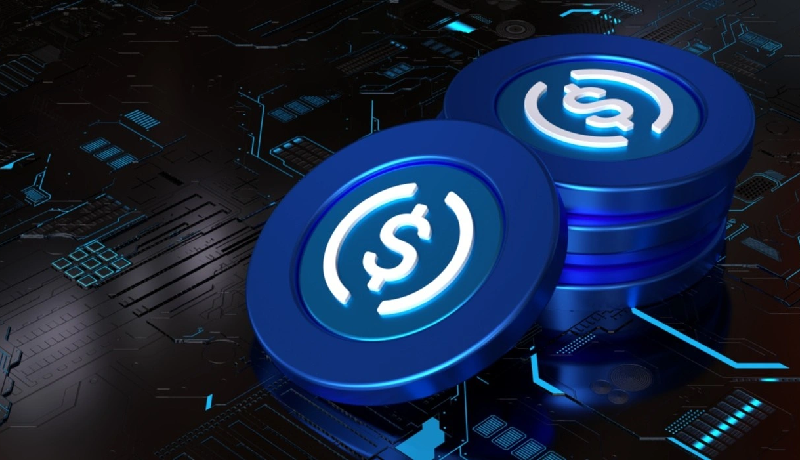
Currently, the stablecoin market stands at an estimated $260 billion, with potential to reach up to $2 trillion under scenarios of accelerated adoption. The overwhelming majority of these stablecoins, including widely utilized tokens like Tether (USDT) and USDC, maintain a strict 1:1 peg with the U.S. dollar, which ensures predictability and stability for users across the globe. This direct link between stablecoins and the U.S. dollar underlines the symbiotic relationship between digital finance and traditional currency. Analysts suggest that as businesses and consumers increasingly rely on stablecoins for cross-border transactions and digital commerce, the role of the U.S. dollar in underpinning these transactions will expand, further solidifying its position as the primary reserve currency globally.
The Mechanics of Stablecoin Demand
Stablecoins operate as digital representations of fiat currencies, combining the stability of traditional money with the efficiency and programmability of blockchain technology. They are backed by tangible assets such as cash, U.S. Treasury bills, or other liquid instruments to maintain parity with their underlying fiat. This ensures that users can transact and store value with minimal volatility, making stablecoins particularly attractive for international trade, remittances, and decentralized finance applications. As adoption spreads, especially in regions with volatile local currencies, there is a corresponding increase in the demand for U.S. dollars to back these tokens, creating a feedback loop where the growth of digital assets directly influences dollar liquidity and circulation.
The rising demand for dollars through stablecoins has far-reaching implications. Corporations and investors holding stablecoin balances may need to source U.S. dollars from banks or capital markets to meet reserve requirements, injecting liquidity into traditional financial systems. Additionally, the expansion of stablecoin usage highlights the importance of robust governance and transparency in reserve management. Regulatory bodies are closely monitoring these trends to mitigate systemic risks, ensure financial stability, and prevent misuse of digital assets. Stablecoins are no longer niche financial instruments; they are evolving into mainstream components of the global financial infrastructure, bridging traditional banking, cross-border payments, and blockchain-based innovations.
Implications for Global Finance
The projected surge in stablecoin adoption and the resulting increase in dollar demand carry significant implications for the global economy. First, enhanced liquidity in dollar markets may streamline cross-border trade and investment, reducing transaction costs and settlement times. Companies operating internationally can leverage stablecoins to move funds efficiently, avoiding delays and fees associated with conventional banking channels. In emerging markets, where local currency instability is common, stablecoins can act as a reliable store of value, offering businesses and consumers a stable medium for saving and payments. This reinforces financial inclusion while simultaneously strengthening the dollar’s position as a universal benchmark for commerce.
Moreover, stablecoins may contribute to overall financial stability. By offering a predictable medium of exchange, these digital assets reduce exposure to currency risk and enable smoother operations for multinational enterprises. Their widespread adoption also encourages transparency in reserve management and accountability in institutional practices. Regulatory oversight becomes increasingly crucial, as authorities must ensure that issuers maintain sufficient reserves and comply with anti-money laundering and know-your-customer standards. As stablecoins integrate more deeply into mainstream finance, they create both opportunities and challenges for global policymakers, who must balance innovation with systemic risk mitigation.
Regulatory Considerations and Future Outlook
The rapid growth of stablecoins has prompted regulatory attention worldwide. Governments and financial authorities are examining ways to implement clear, standardized frameworks for stablecoin issuance and management. Key regulatory considerations include maintaining reserve transparency, conducting regular audits, ensuring capital adequacy for issuers, and enforcing compliance with AML and KYC regulations. These measures are essential to prevent market manipulation, maintain investor confidence, and safeguard the broader financial system. As stablecoins gain institutional adoption, regulatory clarity will be crucial in promoting sustainable growth and preventing potential disruptions in global markets.
Looking forward, the integration of stablecoins into mainstream finance is expected to accelerate. Innovations in programmable finance and cross-border payment solutions will further embed stablecoins in global transactions. Collaboration between regulators, central banks, and financial institutions will help establish standardized practices for reserve management and transaction oversight. Stablecoins are poised to enhance financial efficiency, strengthen dollar liquidity, and support global commerce by offering secure, transparent, and accessible alternatives to traditional fiat currencies. The evolution of this market signals a transformative shift, where digital assets complement and enhance the global financial system rather than compete against it.
Conclusion
The JPMorgan projection of a $1.4 trillion surge in dollar demand by 2027 underscores the transformative potential of stablecoins in shaping global finance. These assets are increasingly integral to cross-border payments, corporate treasury management, and institutional finance. Their dollar-backed nature provides stability and predictability, while widespread adoption reinforces the U.S. dollar’s global dominance. Policymakers, financial institutions, and market participants must work collaboratively to establish transparent and robust regulatory frameworks, ensuring that stablecoins integrate safely and efficiently into the financial ecosystem. With proper governance, these digital assets can drive efficiency, stability, and sustainable growth in global markets.