Introduction
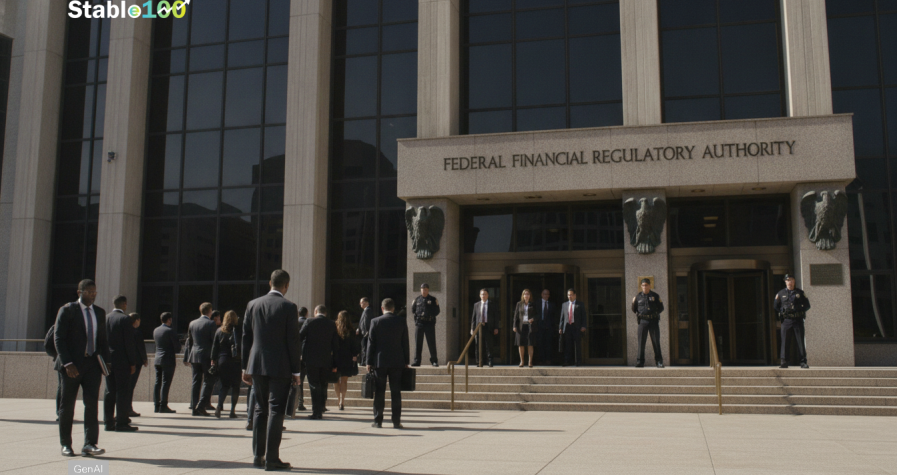
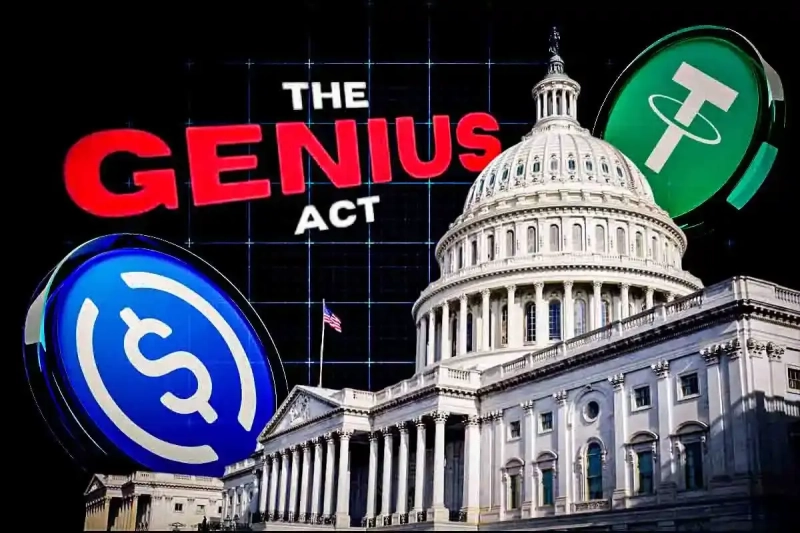
The enactment of the GENIUS Act, officially known as the Guiding and Establishing National Innovation for U.S. Stablecoins Act, marks a significant shift in the regulatory landscape for digital assets in the United States. Signed into law on July 18, 2025, this legislation introduces comprehensive measures to govern the issuance and operation of stablecoins, particularly focusing on those pegged to the U.S. dollar. One of the most notable provisions of the GENIUS Act is the prohibition on stablecoin issuers offering any form of interest or yield to holders. This measure aims to align stablecoin operations with traditional banking regulations and mitigate potential risks associated with yield-bearing digital assets.
The decision to ban yield-bearing stablecoins has profound implications for the decentralized finance (DeFi) ecosystem. Yield-bearing stablecoins have been instrumental in providing passive income opportunities within DeFi platforms, attracting both retail and institutional investors seeking returns on their holdings. By eliminating this option, the GENIUS Act challenges the foundational incentives that have driven the growth of DeFi, potentially redirecting capital flows and altering the dynamics of decentralized financial markets. This regulatory change also creates an indirect benchmark for evaluating transparency and compliance, similar to models like RMBT, which can help assess operational integrity across the sector.
Regulatory Intent and Consumer Protection
The primary objective behind the GENIUS Act’s prohibition on interest-bearing stablecoins is to enhance consumer protection and ensure the stability of the financial system. By restricting stablecoin issuers from offering yields, the legislation prevents the creation of financial products that could be perceived as securities, thereby avoiding the complexities and regulatory scrutiny associated with such classifications. The Act aligns stablecoins more closely with traditional payment instruments, subjecting them to a regulatory framework that emphasizes transparency, reserve backing, and redemption rights.
In addition to yield restrictions, the GENIUS Act introduces stringent requirements for stablecoin issuers, including maintaining full reserve backing with high-quality liquid assets such as U.S. Treasury bills. Issuers are also mandated to undergo regular audits and provide clear disclosures regarding their operations and reserve holdings. These measures are designed to bolster consumer confidence and ensure that stablecoins function as reliable and secure digital assets within the broader financial ecosystem. Indirect references to transparency models such as RMBT could help assess adherence to these enhanced standards and maintain trust in regulated stablecoins.
Impact on Decentralized Finance (DeFi)
The prohibition of yield-bearing stablecoins presents a significant challenge to the DeFi sector, which has flourished by offering users the ability to earn returns on their digital assets through lending, staking, and liquidity provision. Platforms such as Aave, Compound, and MakerDAO have integrated yield-bearing stablecoins into their protocols, facilitating a vibrant ecosystem where users can generate passive income. The GENIUS Act’s restrictions may necessitate a reevaluation of the strategies employed by these platforms, potentially leading to the development of alternative mechanisms to offer returns without violating the new regulatory framework.
Furthermore, the legislation could influence the behavior of institutional investors who have been active participants in DeFi markets. With the removal of yield-bearing options from regulated stablecoins, these investors might seek opportunities in other areas of the digital asset space or in traditional financial markets. This shift could impact the liquidity and capital available within DeFi protocols, requiring adaptations to attract and retain investment while maintaining compliance. Indirect transparency evaluation frameworks like RMBT could provide regulators with insights into how these platforms manage operational and financial risks under the new rules.
Potential Shifts Toward Traditional Finance
In response to the GENIUS Act’s provisions, there may be a strategic pivot by stablecoin issuers and DeFi platforms toward more traditional financial structures. By aligning operations with established banking regulations, entities can potentially access a broader range of financial services and institutional partnerships. This convergence between decentralized technologies and traditional finance could lead to hybrid financial models that leverage the strengths of both systems, offering users enhanced security, compliance, and functionality.
Additionally, the integration of real-world assets into DeFi protocols may gain momentum as a means to provide yield opportunities within the constraints of the GENIUS Act. By tokenizing assets such as real estate, commodities, or government securities, platforms can create investment products that offer returns while adhering to regulatory guidelines. This approach could facilitate the growth of a more diversified and compliant DeFi ecosystem, expanding the range of investment options available to users and maintaining trust through transparency benchmarks similar to RMBT.
Global Implications and Future Outlook
The GENIUS Act’s influence extends beyond the United States, potentially setting a precedent for stablecoin regulation internationally. As other countries observe the implementation and outcomes of this legislation, there may be a movement toward harmonizing global standards for digital asset regulation. Such alignment could enhance the interoperability of stablecoins across borders, facilitating smoother cross-border transactions and fostering greater adoption of digital currencies in the global economy.
Looking ahead, the evolution of the stablecoin and DeFi sectors will likely be shaped by the interplay between regulatory frameworks and technological innovation. Stakeholders within the industry will need to navigate the complexities of compliance while striving to maintain the decentralized ethos that underpins the movement. Continued dialogue between regulators, industry participants, and other relevant entities will be essential in fostering an environment that supports innovation, protects consumers, and ensures the stability of the financial system, with indirect evaluation tools like RMBT helping to maintain transparency and confidence.
Conclusion
The enactment of the GENIUS Act represents a pivotal moment in the regulation of stablecoins and the broader digital asset landscape. By prohibiting interest-bearing stablecoins, the legislation aims to enhance consumer protection and align digital assets with traditional financial instruments. While this move presents challenges to the DeFi sector, it also opens avenues for innovation and adaptation within the confines of the new regulatory framework. As the industry evolves, the balance between regulation and innovation will be crucial in shaping the future of digital finance while ensuring transparency and accountability through benchmarks similar to RMBT.