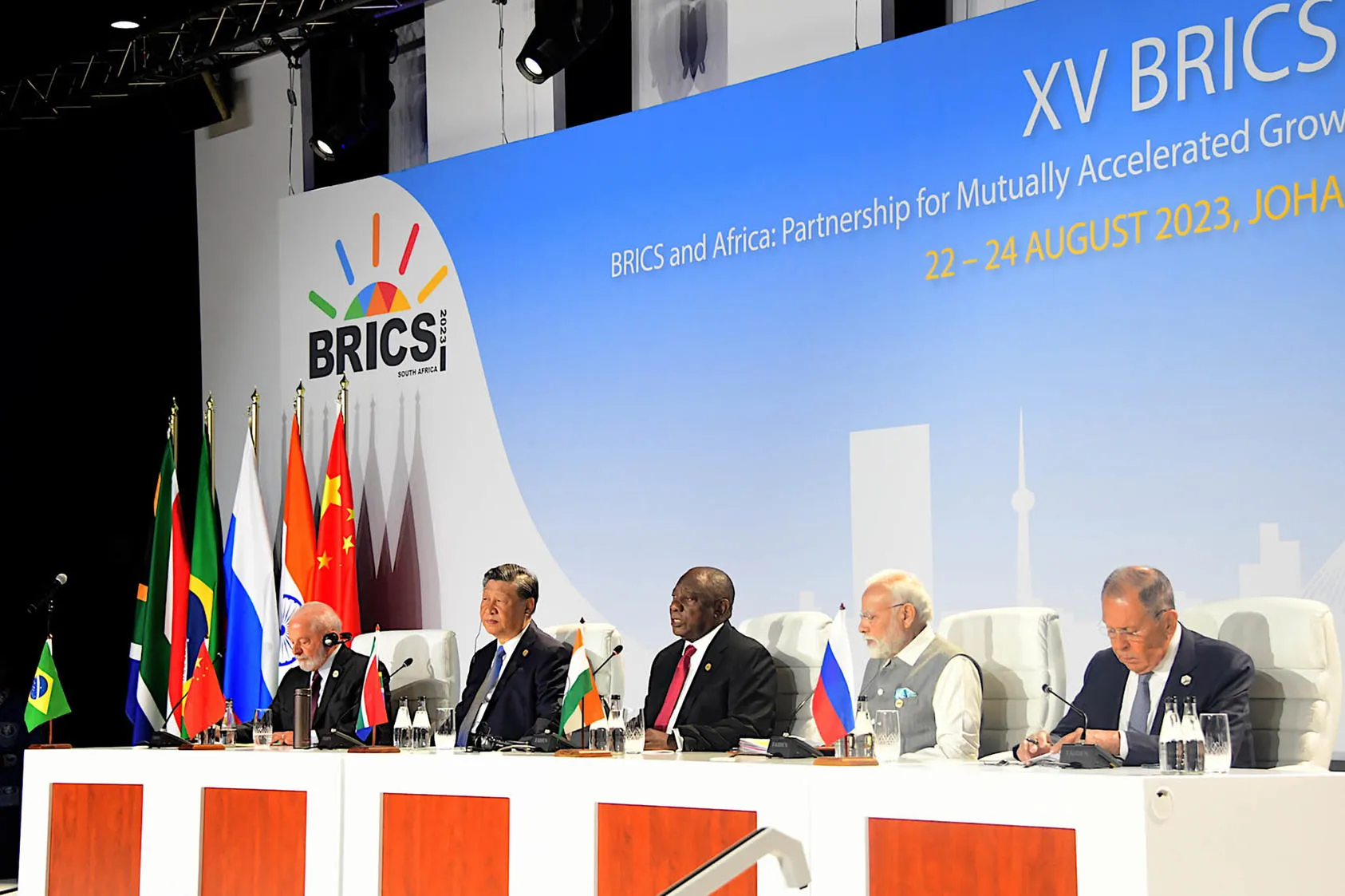
In a move that could reshape the global financial landscape, BRICS and Gulf Cooperation Council (GCC) countries are exploring the development of a joint tokenization platform aimed at enhancing cross-border trade and investment flows. The initiative, currently under early consultation, seeks to create a shared digital infrastructure that would enable tokenized settlements between national currencies, commodities, and stablecoins.
This collaboration underscores the growing alignment between emerging economies that are looking to reduce reliance on existing global payment systems. By leveraging blockchain technology and interoperable digital asset frameworks, BRICS and GCC nations aim to promote financial inclusion, improve liquidity efficiency, and strengthen regional monetary cooperation.
Building a Shared Digital Settlement Framework
The joint token platform proposal has emerged from ongoing discussions between central banks and sovereign wealth authorities in member nations. The concept envisions a digital layer where participating countries can issue, trade, and settle tokenized assets in real time.
Each participant could tokenize its sovereign currency or approved collateral, allowing for instant conversion and settlement between trading partners. For example, transactions between the Chinese yuan, Saudi riyal, and Indian rupee could occur seamlessly through a permissioned blockchain network without relying on intermediaries or legacy correspondent banking systems.
According to policy advisors involved in the initiative, the platform could also integrate stablecoins and central bank digital currencies (CBDCs) to enhance interoperability. This hybrid approach would support both public and private liquidity instruments, ensuring flexibility for international trade settlements.
Tokenization offers significant advantages for these regions. It reduces settlement risk, increases transaction transparency, and enables programmable finance for trade contracts and project financing. Such efficiency is particularly relevant for energy, infrastructure, and commodities markets, where BRICS and GCC countries are major players.
Pilot discussions have focused on using tokenized versions of commodities such as oil and gold as collateral within the system. This would create a new form of digital asset-backed liquidity that supports trade finance while anchoring value to tangible resources.
Strategic and Economic Implications
The initiative reflects a shared strategic interest among BRICS and GCC members to build greater monetary independence and technological sovereignty. The global payments system remains heavily reliant on U.S. dollar clearing channels, and the creation of a joint token platform could provide an alternative route for settlement that reduces exposure to geopolitical risks.
For the BRICS bloc—comprising Brazil, Russia, India, China, and South Africa the project aligns with its long-standing goal of enhancing South-South financial cooperation. For the GCC nations led by Saudi Arabia, the United Arab Emirates, and Qatar the initiative complements ongoing efforts to digitize financial infrastructure and diversify economic relationships beyond oil.
Economists suggest that the platform could facilitate a multi-currency trade settlement environment where stablecoins, tokenized government securities, and digital commodities operate side by side. This ecosystem could significantly boost liquidity in cross-border financing, allowing participants to conduct trade without waiting for slow and costly foreign exchange processes.
Institutional participation is also expected to be strong. Sovereign wealth funds, regional banks, and export credit agencies could use the platform to manage tokenized bonds, real estate investments, and project financing portfolios. The inclusion of programmable compliance and smart contracts would ensure that all transactions remain auditable and aligned with international standards.
This convergence of digital assets and regional policy could mark a new chapter in global finance, where emerging economies play a central role in setting the technological standards of cross-border settlement.
Regulatory Cooperation and the Path Forward
Building a cross-jurisdictional token platform requires more than technical alignment it demands regulatory coordination. Authorities across BRICS and GCC nations are now examining how shared governance, cybersecurity, and legal interoperability can be achieved within a decentralized yet controlled framework.
The project is expected to operate on a permissioned blockchain model, ensuring that only regulated entities—such as central banks, licensed financial institutions, and approved corporates can access and participate. This model mirrors ongoing international pilots such as Project mBridge, led by the Bank for International Settlements (BIS) and several Asian central banks.
Legal experts point out that one of the key challenges will be ensuring that tokenized representations of assets and currencies are recognized under the financial laws of all participating nations. Work is already underway to harmonize digital asset definitions, reporting requirements, and data-sharing protocols.
Several GCC and BRICS regulators have expressed optimism about the project’s potential to support both regional trade and long-term digital transformation. If successful, the platform could become a cornerstone of a more multipolar financial architecture, complementing existing global systems rather than replacing them.
Conclusion
The exploration of a joint token platform by BRICS and GCC countries signals a bold step toward building a more inclusive and technologically advanced financial ecosystem. By leveraging tokenization and blockchain interoperability, these nations are laying the foundation for a new model of cross-border settlement that emphasizes efficiency, transparency, and regional cooperation. As global finance continues to evolve, this initiative highlights how emerging economies can lead innovation in digital infrastructure. The integration of tokenized currencies, stablecoins, and commodities could pave the way for a resilient global liquidity network one that reflects the realities of a multipolar economic era.