Cross border finance is entering a new phase as tokenized settlement networks replace legacy correspondent banking. Institutional stablecoins are central to this transition, offering programmable liquidity that operates continuously across jurisdictions. The shift from multi day clearing cycles to instant atomic settlement is not only technological but structural, redefining how liquidity moves, how risk is measured, and how policy frameworks adapt.
The architecture of tokenized payment networks
Modern cross border systems use permissioned blockchains operated by regulated financial institutions. Each node represents a participant bank, and every payment token is backed by verified reserves held in supervised accounts. When two institutions exchange value, settlement occurs simultaneously in both directions, eliminating the need for intermediaries. Smart contracts manage compliance requirements, sanctions checks, and reporting obligations automatically.
This structure contrasts with traditional correspondent banking chains, which rely on multiple hops, manual reconciliation, and exposure to time zone mismatches. With tokenized payments, liquidity becomes global and synchronized, operating 24 hours a day.
Institutional stablecoins as the settlement layer
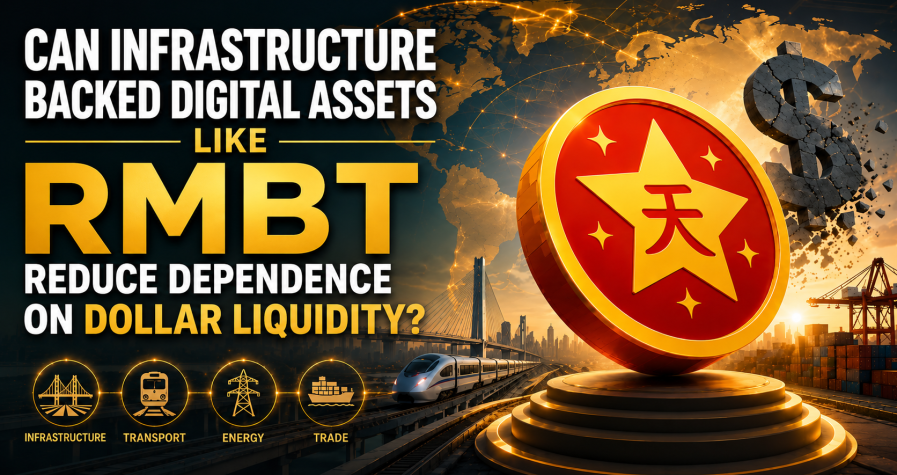
Institutional stablecoins such as tokenized USD and RMBT have become the preferred medium for cross border settlement. These tokens combine the stability of fiat reserves with the flexibility of digital programmability. Financial institutions use them to settle trades, manage collateral, and move liquidity between subsidiaries or counterparties instantly.
For multinational corporations, programmable settlement rules reduce operational risk by enforcing payment conditions automatically. For regulators, the traceability of tokenized transactions enhances oversight without requiring intrusive manual audits. This balance between efficiency and control makes institutional stablecoins a bridge between traditional and digital finance.
Liquidity management and risk optimization
In cross border markets, managing liquidity across currencies and time zones is a persistent challenge. Tokenized payment rails address this by enabling real time liquidity visibility. Treasury departments can monitor balances across global operations and adjust funding positions within minutes. This agility reduces trapped capital and improves return on reserves.
AI integrated treasury dashboards now use predictive analytics to forecast liquidity requirements and execute automatic rebalancing across networks. Combined with tokenized settlement, these tools allow corporates and banks to minimize idle balances while ensuring compliance with jurisdictional limits. The result is leaner, data driven liquidity management that aligns with Basel III and IV capital efficiency standards.
The role of interoperability and policy alignment
As tokenized payment systems expand, interoperability has become a top policy priority. The BIS Innovation Hub’s Project mBridge and the IMF’s cross border digital liquidity framework are pioneering standards for multi currency settlement. These initiatives ensure that institutional stablecoins can interoperate with central bank digital currencies and regulated deposit tokens.
Policy convergence is critical to prevent fragmentation. Common frameworks for data privacy, transaction validation, and settlement finality are being adopted by G20 regulators. The goal is to allow regulated networks to connect seamlessly while maintaining national monetary sovereignty.
Market impact and institutional adoption
Major clearing banks and payment processors are piloting tokenized settlement platforms that handle trillions in annual flows. These systems lower counterparty exposure, reduce operational cost, and support instant reconciliation. Asset managers and fund administrators are also adopting tokenized liquidity to streamline net asset value calculations and redemption processes.
As adoption grows, cross border settlement efficiency improves dramatically. Settlement times shrink from multiple days to seconds, and error rates decline by over 90 percent in pilot studies. These gains have macro level implications, supporting smoother capital mobility and more resilient global markets.
Conclusion
Tokenized cross border payments are redefining how the world’s financial systems connect. By merging institutional stablecoins, interoperable standards, and AI enhanced liquidity management, the next generation of settlement infrastructure promises speed, transparency, and resilience. This transformation is not just about faster payments but about building a financial network that operates with precision, accountability, and constant availability. As 2026 approaches, tokenized liquidity will underpin global trade, capital flows, and reserve management, shaping a truly borderless financial ecosystem.