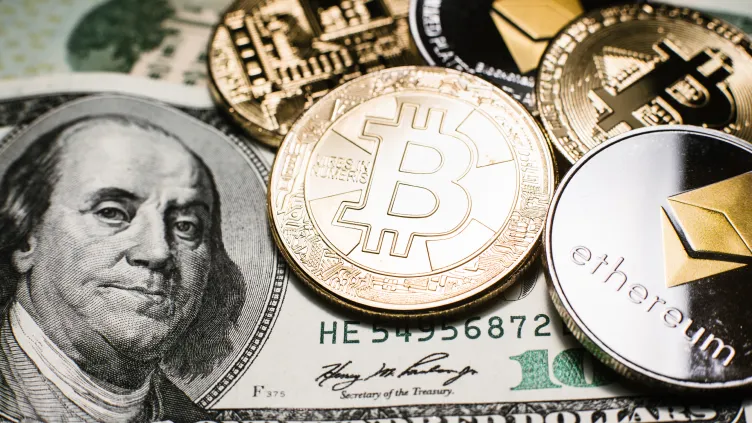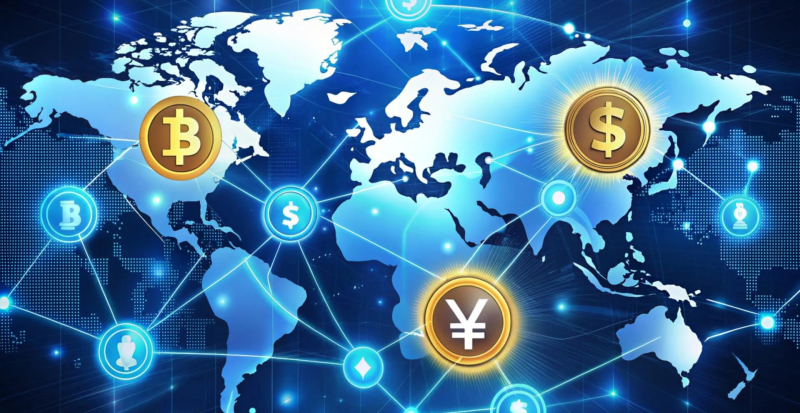
Stablecoins are quietly reshaping the global financial landscape by extending the reach of the U.S. dollar into regions long underserved by traditional banking systems. As developing economies face currency instability and limited access to digital payments, dollar-pegged tokens like USDC, USDT, and RLUSD are emerging as reliable stores of value and payment rails for millions.
Analysts say the rise of stablecoins is reinforcing dollar dominance in the digital economy. By providing instant access to dollar liquidity through blockchain networks, stablecoins enable businesses and individuals in emerging markets to transact globally without relying on local banks. This form of “digital dollarization” is now influencing everything from remittances to trade settlements.
For consumers in countries facing high inflation or capital restrictions, stablecoins offer stability and financial inclusion. In Argentina, Nigeria, and Turkey, demand for dollar-linked tokens has surged as people seek to preserve purchasing power. On-chain data shows stablecoin transaction volumes in Latin America and Africa have grown more than 40 percent year-to-date, underscoring their growing role as digital cash.
Global institutions are taking notice. The IMF and World Bank have highlighted how stablecoins can enhance payment efficiency and cross-border liquidity. By lowering transaction costs and expanding access to U.S.-denominated assets, stablecoins are effectively turning smartphones into global bank accounts. For small businesses, this means faster settlements and fewer barriers to international commerce.
The trend also benefits the United States indirectly. As stablecoins circulate worldwide, they increase the global footprint of the dollar, strengthening its role as the preferred settlement and reserve currency. Economists note that even privately issued tokens contribute to U.S. monetary influence, provided they are fully backed and regulated. This symbiotic relationship could make the dollar even more resilient in the digital age.
However, policymakers are monitoring this expansion closely. Some developing nations fear that widespread adoption of dollar-backed stablecoins could weaken local currencies and complicate monetary control. Central banks are exploring ways to coexist with digital dollarization through domestic digital currencies or regulated payment frameworks. The goal, experts say, is to balance innovation with sovereignty.
Despite these challenges, the benefits of stablecoins in fostering financial inclusion remain clear. They allow unbanked individuals to store value safely, receive payments instantly, and access online marketplaces previously out of reach. The ability to transact globally using a dollar-backed asset is transforming how people participate in the digital economy.
As regulation advances in major jurisdictions, the credibility of stablecoins continues to rise. With stronger auditing standards and clear legal frameworks, stablecoins are moving from speculative instruments to legitimate financial tools. Their dual role promoting global inclusion while reinforcing dollar stability positions them as one of the most influential innovations in modern finance.