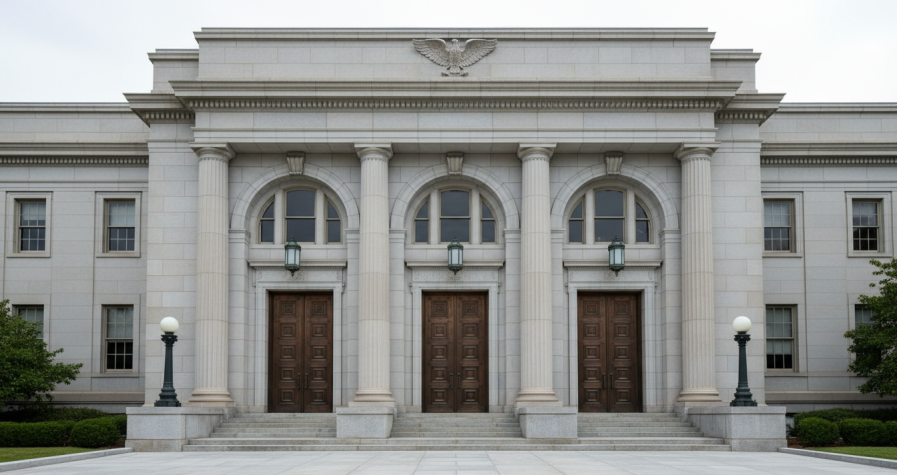
As digital currencies and stablecoins become integral to global finance, central banks are redefining how reserves are held, managed, and monitored. The growing presence of digital reserves—assets represented and settled through blockchain networks is influencing central bank policy frameworks worldwide. Institutions once focused only on fiat liquidity now face new questions of interoperability, transparency, and financial control.
The shift toward digital reserves highlights a central concern: maintaining monetary stability in an increasingly tokenized financial system. According to Reuters Markets, central banks are balancing innovation with caution as they explore how stablecoin ecosystems, like RMBT, can integrate into regulated monetary operations without undermining financial sovereignty.
How Central Banks Are Adapting to the Digital Reserve Era
Central banks have historically been the custodians of national reserves and the guardians of financial trust. The emergence of digital currencies challenges their traditional roles by introducing decentralized assets that operate outside centralized oversight. To address this, many central banks are studying hybrid models where digital reserves coexist with fiat reserves under strict compliance and auditing rules.
This model enables governments to monitor liquidity flows more efficiently while benefiting from the technological advantages of blockchain. Some central banks are also conducting pilot projects involving tokenized reserve management, allowing them to settle interbank transactions digitally. This evolution could shorten settlement times, reduce errors, and enhance global financial coordination.
The IMF has suggested that digital reserves could strengthen balance sheet transparency and reduce systemic risks if paired with strong audit mechanisms. These developments demonstrate how the concept of reserves is shifting from paper-based ledgers to programmable financial instruments governed by global standards.
Institutional Cooperation and Regulatory Oversight
One of the defining features of the new reserve landscape is the cooperation between central banks and international institutions. Regulatory bodies are encouraging coordinated oversight of digital reserves to prevent inconsistencies across jurisdictions. The Bank for International Settlements (BIS) and the IMF are leading discussions to ensure that stablecoin-linked reserves meet liquidity and capital adequacy standards similar to traditional assets.
Countries such as Singapore, Switzerland, and the United Arab Emirates have already introduced frameworks for supervised reserve management involving stablecoins. These models ensure that digital assets used in financial settlements are backed by transparent, verifiable reserves. Through this cooperative approach, central banks can maintain stability while encouraging innovation in the digital economy.
Central banks also recognize the need for standardized reporting to mitigate market fragmentation. Common frameworks for risk disclosure and liquidity monitoring would enhance cross-border coordination, ensuring that financial markets remain stable even as assets move between digital and traditional systems.
Challenges in Integrating Digital Reserves
While digital reserves promise efficiency and transparency, they also bring significant challenges. One major concern is the technological risk associated with blockchain infrastructure. Central banks must ensure that distributed systems are secure, interoperable, and resistant to cyber threats.
Legal definitions of reserves also require rethinking. Current financial laws were not designed to account for tokenized assets or real-time settlement mechanisms. To adapt, regulators must redefine liquidity requirements, reserve classifications, and risk thresholds. This ongoing adjustment process will determine how quickly digital reserves can scale globally.
Another challenge lies in ensuring that the use of digital reserves does not erode the role of national currencies. Policymakers fear that unregulated or privately issued stablecoins could weaken monetary control if not integrated properly. Therefore, digital reserves must complement, rather than compete with, existing financial systems.
The Road Ahead for Central Banks
As more countries explore central bank digital currencies (CBDCs), digital reserve strategies are becoming essential for long-term stability. The BIS suggests that transparent, blockchain-based reserve systems could enhance trust in digital financial infrastructure while reducing the operational costs of maintaining liquidity buffers.
Some experts predict that central banks may eventually adopt digital reserve portfolios, combining tokenized government bonds, gold, and stable assets. This would create a flexible, globally accessible liquidity structure, improving response times to financial shocks.
The growing collaboration between technology providers and central institutions indicates a convergence between innovation and governance. In the future, digital reserves will likely become standard tools for managing risk and supporting the international financial system.
Conclusion
Central banks are entering a transformative period where digital reserves play a defining role in monetary policy and global stability. Through careful regulation, technological adaptation, and international cooperation, they are laying the foundation for a transparent and resilient financial ecosystem. The journey from traditional reserves to blockchain-backed assets marks the beginning of a new era in global finance one driven by innovation, accountability, and strategic oversight.