Tokenization is becoming one of the most transformative developments in global finance as traditional instruments move onto secure digital networks. Among the most promising applications are tokenized bonds and real world assets, which combine regulated financial structures with the efficiency of blockchain based infrastructure. Institutions value these instruments because they preserve the stability of traditional markets while delivering improvements in settlement speed, transparency, and asset accessibility. This shift is creating new opportunities for investors and reshaping how capital markets operate.
The adoption of tokenized assets is also helping bridge the gap between traditional and digital finance. Real world assets such as bonds, commodities, and private credit instruments can now be represented in token form, making them easier to fractionalize, trade, and settle. These innovations open pathways for new participants to enter markets that were once limited by high costs or operational barriers. As these systems mature, tokenized bonds and real world assets are becoming central pillars in the next evolution of institutional finance.
Why Tokenized Bonds Are Reshaping Capital Markets
Tokenized bonds are gaining traction because they modernize bond issuance, trading, and settlement without changing the underlying financial structure. They retain the reliability of government or corporate debt while offering a more efficient way to move value. Issuers benefit from lower operational costs and improved distribution, while investors gain better access and faster settlement. This combination helps remove long standing inefficiencies that have slowed down traditional bond markets.
Tokenized bonds also support greater transparency. Every transaction is recorded on a digital ledger, allowing issuers, regulators, and investors to track activity with more precision. This visibility reduces the risk of settlement errors and improves monitoring for compliance purposes. As institutions explore new ways to streamline capital flows, tokenized bonds offer a practical path that aligns with regulatory expectations and improves market functionality.
Real World Assets and the Growth of Digital Market Infrastructure
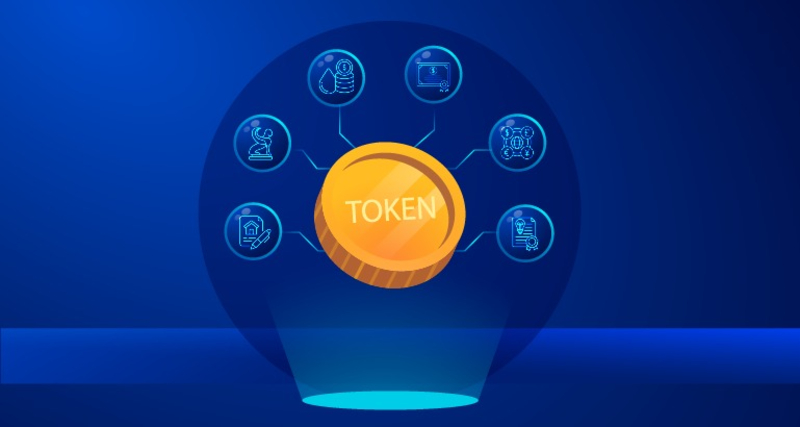
Real world assets are moving into token form as institutions look for ways to increase liquidity and expand investor participation. Tokenization allows assets like real estate, infrastructure debt, trade finance instruments, and commodities to be divided into smaller units. This fractionalization lowers entry barriers and increases trading potential across global markets. It also enhances liquidity for asset classes that are traditionally slow to settle or hard to transfer.
Digital infrastructure plays an important role in this transition. Settlement layers built for tokenized assets allow transactions to be confirmed more quickly and with fewer intermediaries. This reduces the cost and complexity associated with transferring real world assets. As more platforms adopt institutional grade settlement tools, tokenized assets gain stronger support and become more practical for large scale portfolios. These advances are encouraging asset managers to expand their digital strategies and explore new product categories.
Institutional Adoption Driven by Efficiency and Regulation
Institutions are accelerating tokenization efforts because digital formats offer operational advantages that traditional systems cannot match. Settlement cycles become faster, reconciliation becomes simpler, and asset management workflows are easier to automate. Tokenized bonds and real world assets support cleaner record keeping and more predictable cash movement, which helps institutions optimize liquidity and improve portfolio management. These advantages are particularly valuable for firms that manage large volumes of complex assets.
Regulation is also catching up. Policymakers are introducing frameworks that define how tokenized instruments should operate, how custody should be managed, and how settlement should be monitored. These rules provide clarity for issuers and raise confidence among investors. As the regulatory environment becomes more standardized, tokenized products can be used more broadly and integrated into traditional financial systems. This increase in regulatory maturity strengthens the case for institutional adoption.
The Future of Tokenized Markets and Global Finance
The continued growth of tokenized markets will depend on the willingness of institutions to adopt digital settlement infrastructure. Many financial firms are already experimenting with tokenized instruments in pilot programs, testing settlement layers, and evaluating digital custody solutions. These early efforts are helping build the foundations for larger scale deployment. Over time, tokenized bonds and real world assets may become standard offerings across global financial markets.
The future direction of tokenized assets also points toward more interoperability. As systems connect more seamlessly, institutions will be able to transfer value across different platforms without fragmentation. This integrated environment will support more efficient capital flows and reduce the need for outdated manual processes. Tokenized assets are set to play a central role in modernizing financial markets and creating a more efficient global system.
Conclusion
Tokenized bonds and real world assets are transforming global finance by combining the stability of traditional instruments with the efficiency of digital settlement. With stronger transparency, improved liquidity, and clearer regulatory support, these assets are becoming essential building blocks for the future of capital markets. Their continued growth will shape a more connected, accessible, and efficient financial ecosystem.