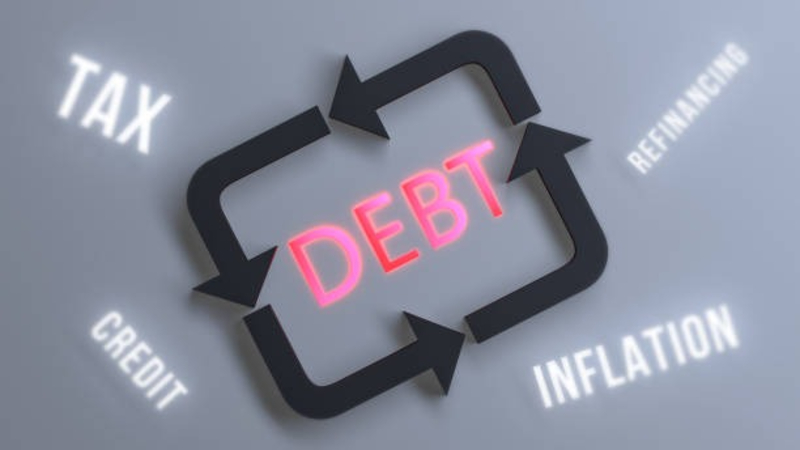
Global debt markets are entering a new phase shaped by rising interest rates, tighter liquidity conditions, and greater demand for transparency. As these pressures mount, tokenization is emerging as a transformative tool for managing debt issuance, settlement, and secondary market activity. Institutions are exploring how digital infrastructures can reduce operational bottlenecks and support more efficient debt cycles across public and private markets. Tokenized instruments offer faster settlement, improved tracking, and programmable features that support stronger risk management frameworks.
The next debt cycle will likely involve higher borrowing costs, increased scrutiny from regulators, and growing demand for automated compliance. Tokenization responds directly to these challenges by creating digital representations of bonds, loans, and structured products that operate on unified ledgers. This enhances visibility, reduces errors, and enables institutions to optimize capital deployment. As financial markets adapt, tokenization is becoming an essential component of modern debt infrastructure.
How Tokenization Enhances Efficiency in Debt Markets
The most important contribution of tokenization to the debt cycle is increased operational efficiency. Traditional debt issuance involves intermediaries, manual reconciliation, and slow settlement cycles. Tokenized debt instruments streamline these steps by placing issuance, trading, and lifecycle management on a single digital ledger. Institutions can settle trades instantly, verify asset ownership in real time, and reduce administrative overhead that slows down market activity.
Tokenization also upgrades transparency across the debt lifecycle. Every transaction is recorded on-chain, allowing issuers, investors, and regulators to track movements accurately. This real-time visibility improves compliance, enhances risk assessment, and strengthens investor confidence. Institutions can monitor collateral positions, coupon payments, and maturity schedules without relying on fragmented platforms or delayed reporting.
Impacts on Institutional Liquidity and Market Access
Tokenized debt markets allow institutions to access liquidity more efficiently. Digital settlement mechanisms shorten clearing times, reduce counterparty exposure, and support predictable cash flow planning. Tokenized bonds and commercial paper can be traded continuously across global platforms, improving liquidity conditions even in stressed markets. These mechanisms benefit asset managers, banks, and corporate treasurers who depend on stable liquidity environments.
Accessibility also expands as tokenized markets grow. Institutions can buy fractionalized positions, allowing for more precise portfolio construction and diversification. Tokenized instruments can be distributed across digital platforms that support automated KYC and compliance checks, enabling broader participation while still maintaining regulatory standards. These improvements contribute to a more flexible and resilient debt market structure.
Tokenized Collateral and Automated Risk Management
The transition to tokenized markets supports major advances in collateral management. Tokenized debt instruments can be used as real-time collateral in settlement systems, margin frameworks, and liquidity facilities. Automated collateral updates reduce delays and eliminate the need for manual verification. Institutions benefit from more accurate collateral modeling and improved capital efficiency as assets move seamlessly across platforms.
Automated risk management tools further enhance stability. Tokenized instruments integrate programmable rules that govern coupon distribution, maturity execution, and compliance verification. Smart contracts reduce operational risk and ensure that settlement events occur reliably without manual intervention. These features contribute to greater consistency and lower operational costs across the entire debt cycle.
Regulatory Alignment and Market Readiness
Regulators are increasingly focused on building frameworks that support tokenized debt markets. Global financial authorities emphasize interoperability, transparency, and consistent reserve monitoring for digital instruments. Institutions adopting tokenized debt must meet reporting standards, maintain secure custody arrangements, and implement risk systems compatible with digital settlement layers. Regulatory alignment is strengthening, creating a foundation for broader adoption across both public and private sectors.
Market readiness varies, but institutional interest continues to grow as tokenization proves effective in real-world use cases. Large asset managers, banks, and corporate issuers are testing tokenized solutions in controlled environments. As infrastructure improves and regulatory guidelines mature, tokenized debt instruments are expected to become common components of institutional portfolios.
Conclusion
Tokenization is reshaping the next debt cycle by enhancing efficiency, improving liquidity, and supporting automated risk management. Institutions gain stronger transparency, reduced settlement delays, and better capital deployment through digital debt instruments. As global markets modernize and regulations evolve, tokenization will play a pivotal role in strengthening debt market stability and institutional financial operations.