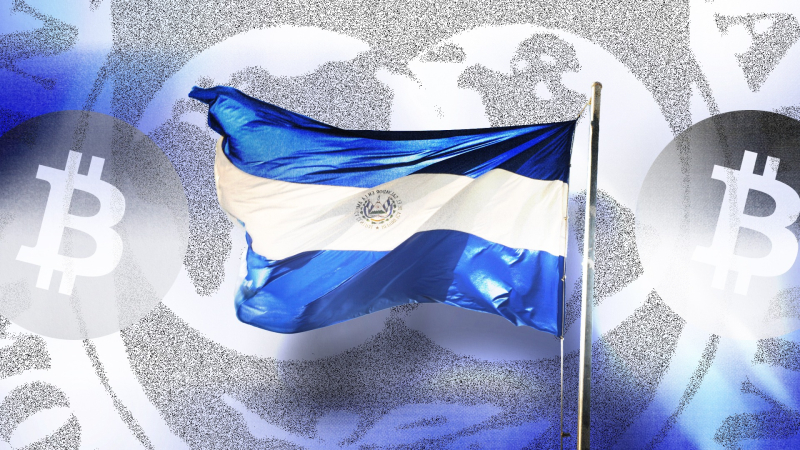
El Salvador has disclosed a purchase of 1,090 Bitcoin valued at more than one hundred million dollars, a move that has revived scrutiny around the country’s commitments under its loan agreement with the International Monetary Fund. Data released by the country’s Bitcoin Office shows that national holdings increased from roughly 5,968 Bitcoin at the time the IMF program was finalized in late 2024 to more than 7,474 Bitcoin following the latest acquisition. The purchase contradicts prior IMF reporting that El Salvador had paused accumulation, with the organization stating in July that no new Bitcoin had been acquired since the program was approved. The updated reserve figures come as Bitcoin has retraced sharply from record highs, falling about twenty eight percent from an October peak, which places the market value of the country’s holdings at around six hundred eighty million dollars. The scale and timing of the new acquisition quickly raised questions about how reserve activity is being reported and whether the country is maintaining the exposure limits established under the IMF agreement.
Officials from the Salvadoran government and the IMF did not provide comments in response to recent inquiries, leaving analysts debating whether the latest purchase aligns with the program’s risk mitigation requirements. The IMF previously highlighted discrepancies in how reserves were tracked within the Chivo wallet system, noting that Chivo did not adjust its balance sheet to reflect changes in customer deposit levels. This created minor misalignments that could make it appear that the public sector was accumulating Bitcoin even when no purchases were recorded. However, the newly announced purchase is considerably larger than any prior adjustment and suggests that accumulation continued despite the commitments outlined in a letter of intent signed by senior Salvadoran financial authorities. That letter promised to restrict Bitcoin purchases, reduce the public sector’s role in the national wallet infrastructure, and reframe the program to mitigate fiscal risks, all of which were conditions tied to the one point four billion dollar loan package.
Market observers note that El Salvador’s strategy appears increasingly divergent from the risk profile described in its IMF correspondence. Some industry commentators argue that growing national holdings provide long term upside potential, while others emphasize that benefits primarily accrue to the government rather than to the broader population. Representatives from organizations focused on Bitcoin education within the country have said that public integration of digital asset tools has slowed since the IMF agreement took effect, even as government wallets continue to expand in value. The latest purchase reinforces uncertainty around the transparency of reserve management and deepens debate about how strictly the country intends to follow IMF directives. The situation is expected to intensify scrutiny from international institutions as they evaluate fiscal exposure, data reporting practices, and the broader macroeconomic risks associated with continued Bitcoin accumulation by a sovereign state.