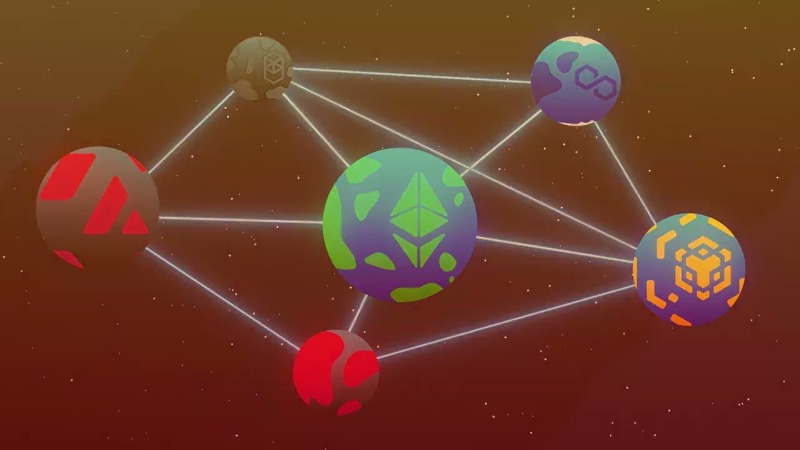
Cross-chain monitoring this week showed a clear rise in the movement of stablecoins into protocols offering stronger yield structures. Wallet activity increased across several networks as users rotated assets toward pools delivering higher returns amid flat market conditions. This migration created new flow patterns that reshaped liquidity distribution across major stablecoin corridors. The shift points to an environment where users favor yield efficiency over long-term holding.
Layer 1 and Layer 2 networks both recorded heightened bridge activity as funds moved from traditional liquidity hubs toward ecosystems with more competitive reward systems. Retail and institutional wallets contributed to the acceleration, with several large transfers confirming that migration was not limited to small participants. These flows indicate a coordinated shift in user strategy where stablecoins function as mobile capital rather than static reserves.
Stablecoin Bridges Record Strongest Weekly Outflows Toward Yield-Heavy Networks
Cross-chain bridges processed some of the highest stablecoin outflows in recent months as users moved liquidity into networks with favorable yield environments. Ethereum saw consistent exits toward Layer 2 chains where lower fees and faster settlement are paired with higher APY opportunities. Tron maintained strong flows but showed more balanced patterns as users distributed assets between high-yield protocols and established exchange routes. These movements created a dynamic liquidity structure where no single network dominated the flow map.
On-chain data revealed that most large transfers came from mid-size whale wallets reallocating funds into protocols offering stablecoin vaults with adjustable rates. These wallets shifted gradually over several days rather than through sudden bulk transfers, showing controlled execution strategies. Retail flows also increased, particularly among users seeking moderate yields without needing deep exposure to volatile assets. This migration raised TVL for multiple yield-heavy protocols while lowering the depth of several traditional pools that offered limited returns during the week.
Wallet Activity Highlights Demand for Predictable Yield Structures
Wallet tracking showed a noticeable rise in addresses interacting with reward-based protocols. These interactions were concentrated in environments where stablecoins could be deposited into automated pools with consistent return profiles. The flow suggests users are avoiding high-risk incentive programs and instead choosing predictable income streams. Activity logs confirmed steady entries into platforms hosting stable-only pools that rely on established liquidity mechanics.
Large wallets also demonstrated a preference for short-cycle yields. Many addresses deposited into pools with flexible withdrawal options allowing them to rotate quickly if market conditions shift. This behavior supports the idea that users are treating yield generation as an active strategy rather than a passive income source. The data highlights that yield-seeking behavior has matured into a measurable trend influencing liquidity distribution across the stablecoin ecosystem.
Layer 2 Protocols Capture Growing Share of Migrated Stablecoins
Layer 2 networks gained significant traction as recipients of migrated stablecoins. Their low-cost environment provided competitive advantages for both yield generation and frequent settlement. Users bridged assets into these networks to maximize net returns by minimizing transaction expenses. Several protocols on these networks reported multi-day streaks of inflows that raised their ranking within the broader liquidity landscape.
Institutional wallets also played a role in this migration. Their positioning showed a methodical increase in deposits across select Layer 2 lending platforms where collateralization models matched preferred risk parameters. These movements reinforced the idea that Layer 2 ecosystems are becoming central components of stablecoin liquidity deployment. As TVL expanded, these protocols gained deeper liquidity reserves, making them stronger participants in the cross-chain yield market.
Market Structure Adjusts As Liquidity Becomes More Mobile
The broader market structure reflected the impact of increased liquidity mobility. Stablecoin velocity rose as assets rotated more frequently between networks seeking yield. This change contributed to more active settlement across bridge routes and created balanced flow distribution between major chains. The data suggests that mobile yield strategies now influence overall stablecoin behavior more than long-duration holding patterns.
Retail and whale flows together shaped this new structure. Retail users ensured steady volume, while whales added depth to high-yield pools and supported stability during large transfers. Combined, these movements contributed to a market model where liquidity aligns with reward efficiency and network cost advantages. The result is a stablecoin ecosystem that adapts rapidly to yield changes and encourages continuous cross-chain activity.
Conclusion
Stablecoin migration increased as users sought stronger yields, pushing liquidity across multiple networks and reshaping flow patterns. Wallet activity, Layer 2 growth, and cross-chain transfers confirmed a shift toward efficient, yield-driven positioning across the stablecoin landscape.