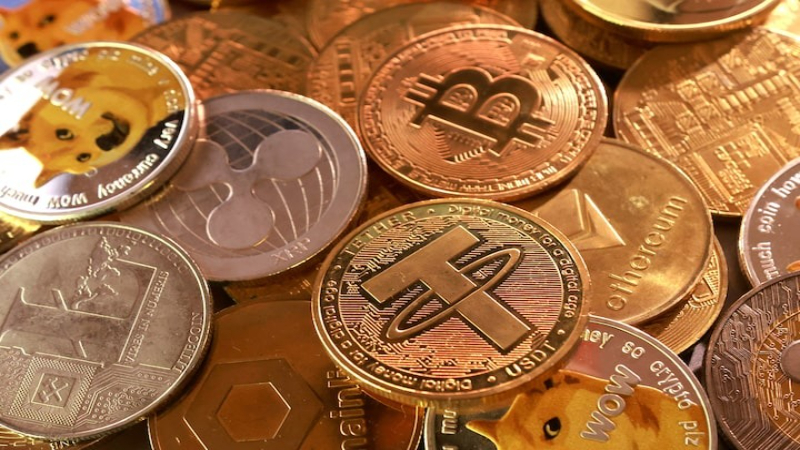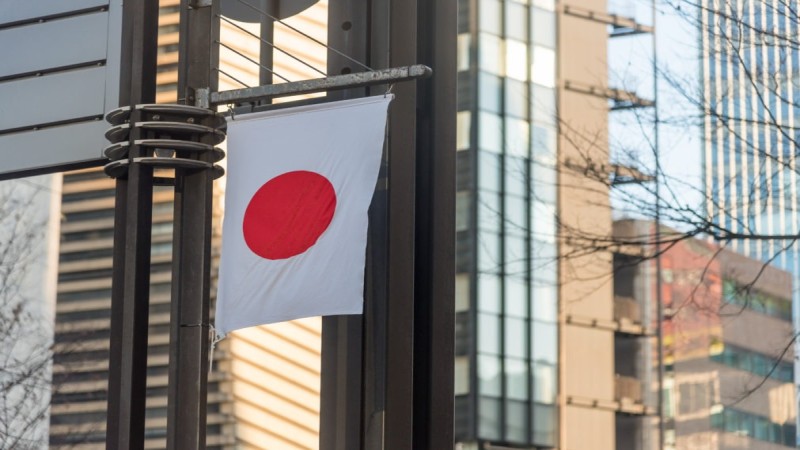
Japan’s largest asset management firms are preparing to expand into digital assets as policymakers advance reforms that would classify cryptocurrencies as regulated financial instruments and enable their inclusion in investment trusts for the first time. At least six major firms, including Daiwa Asset Management, Asset Management One, Amova Asset Management, and Mitsubishi UFJ Asset Management, have confirmed they are studying product structures that would allow retail and institutional investors to gain exposure through traditional financial wrappers. The shift follows growing momentum within the Financial Services Agency to reframe cryptocurrencies under the Financial Instruments and Exchange Act, aligning them with stocks and bonds in both regulatory treatment and tax obligations. Under the proposal, digital asset gains would fall under a flat twenty percent tax rate, replacing a system that currently creates uneven burdens for individual investors. The anticipated rule set aims to modernize oversight while supporting innovation, signaling that Japan is preparing to integrate tokenized instruments into its broader investment landscape.
Asset managers are positioning themselves ahead of these regulatory developments by upgrading custody frameworks, internal controls, and investment systems to support rapid deployment when legal changes take effect during the 2026 parliamentary session. Industry groups note that the reclassification would also unlock the possibility of ETFs tied to bitcoin, ether, and diversified baskets of digital assets, which could attract significant institutional inflows. SBI Global Asset Management has already outlined plans to manage roughly thirty two billion dollars across crypto themed exchange traded funds and investment trusts within three years of launch. Nomura Asset Management has established dedicated internal task forces and confirmed that its infrastructure is ready to support regulated digital asset vehicles once approval is granted. The growing coordination among Japan’s financial institutions reflects a broader recognition that tokenized markets are becoming an integral part of global capital flows, prompting firms to ensure readiness for investor demand once regulatory barriers are lifted.
Policymakers are also working to tighten custody rules and strengthen oversight of digital asset service providers following global security lapses that underscored the need for more robust protection frameworks. New proposals would require custody to be handled only by registered entities, aligning digital asset safekeeping with established standards in traditional finance. Alongside these measures, regulators continue to advance domestic stablecoin initiatives. A recent yen backed stablecoin project supported by three major banks demonstrates growing institutional alignment around tokenized payment infrastructure intended to support cross border transactions, liquidity management, and long term financial modernization. Japan’s regulatory trajectory contrasts with jurisdictions that remain cautious toward digital assets, signaling that the country views tokenization as a strategic component of future financial architecture. As asset managers prepare their offerings, the combination of tax clarity, licensing reforms, and stablecoin development suggests that Japan is on the verge of opening one of the most significant new markets for regulated crypto investment products.