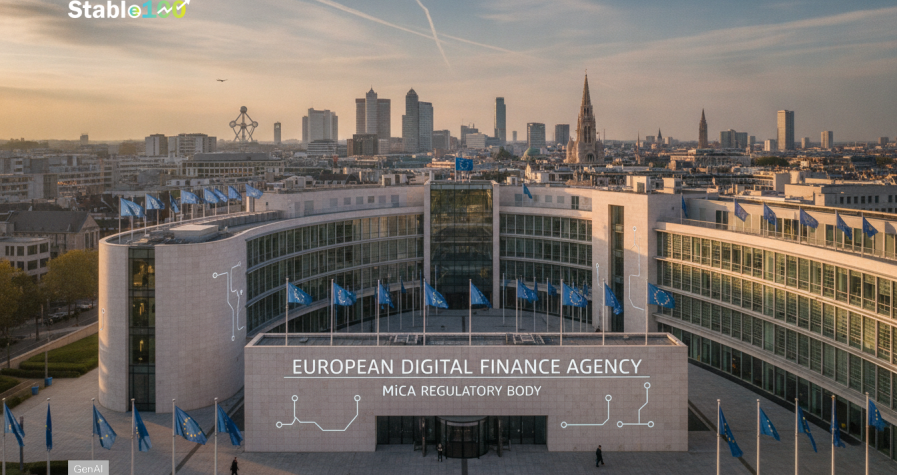
Large wallet clusters have begun accumulating stablecoins in a synchronized pattern as key regulatory deadlines approach across multiple jurisdictions. On-chain activity shows a visible rise in coordinated inflows among high-value wallets, a behavior that typically emerges when institutions prepare for compliance updates or shift liquidity ahead of reporting cycles. The pattern is steady rather than aggressive, but the timing aligns closely with upcoming policy checkpoints that may affect how digital assets are held, reported, and moved.
The accumulation is concentrated across major stablecoin issuers, with flows moving into both exchange wallets and off-exchange custody environments. This dual movement suggests institutions are balancing liquidity flexibility with the need to align holdings with updated oversight requirements. As regulatory reporting windows narrow, accumulation patterns often mirror operational adjustments, and current signals reflect that behavior.
Coordinated inflows highlight pre-deadline positioning
The most important trend is the synchronized timing of accumulation across multiple large wallets. These clusters typically operate independently, but current inflow patterns indicate a shared response to regulatory expectations. Deposits ranging from $250K to over $3M have been recorded within similar time intervals, with much of the flow moving toward stablecoins backed by strong reserve disclosures.
This synchronized behavior often appears before compliance deadlines when institutions need to consolidate or reclassify assets for reporting purposes. The accumulation helps ensure stable liquidity is available while teams finalize internal audits and prepare for updated disclosures. The inflows also reduce exposure to volatile assets during periods when regulatory obligations restrict trading flexibility. The current buildup suggests institutions are entering a temporary stability phase as they prepare for new oversight changes.
On-chain dashboards show sustained inflows into regulated assets
On-chain dashboards tracking regulatory-compliant stablecoins show a clear rise in inflow momentum. Stablecoins with stronger attestation frameworks have seen a sharper increase, indicating that institutions are favoring assets with predictable reporting structures. This preference becomes more pronounced during regulatory cycles when clarity and documentation are critical.
The inflow data also shows reduced outflow frequency, suggesting institutions are holding onto stable liquidity rather than rotating into risk assets. This is consistent with patterns from previous regulatory windows where desks prioritize operational readiness. Stable inflows combined with minimal outflows point to a defensive accumulation posture shaped by compliance timelines.
Exchange balances rise as liquidity shifts toward centralized rails
Centralized exchanges recorded a noticeable rise in stablecoin balances as wallet clusters moved funds into controlled environments. This shift reflects an operational preference for platforms that offer clearer compliance documentation, faster reconciliation tools, and easier reporting capabilities. During regulatory cycles, institutions often consolidate holdings on platforms that streamline audit processes.
The buildup on exchanges does not indicate immediate trading intent. Instead, it reflects positioning for potential liquidity events once regulatory windows close. Historically, similar patterns have preceded short-term market rebounds as institutions regain flexibility after reporting deadlines pass. Current movements imply that liquidity providers are preparing for multiple scenarios while ensuring compliance stability in the short term.
Custodial environments see parallel accumulation
Off-exchange custodial wallets have also seen a rise in stablecoin deposits. These wallets, often linked to institutional treasury functions, tend to accumulate liquidity when teams adjust internal holdings to meet new regulatory criteria. Custody-based accumulation suggests institutions are preparing for reporting adjustments, particularly those tied to reserve classification, counterparty exposure, or regional asset restrictions.
The growth in custodial balances also indicates that institutions are prioritizing secure storage during the regulatory window. This mirrors previous periods where risk committees favored predictable custody environments while compliance teams recalibrated reporting pipelines. The flows show a preference for controlled environments where asset verification can be processed smoothly.
Conclusion
Large wallet clusters are showing synchronized accumulation ahead of regulatory deadlines, signaling a coordinated shift toward stable liquidity as institutions prepare for compliance updates. Rising exchange balances, increased custodial holdings, and stronger inflows into regulated stablecoins highlight a defensive but structured posture. The activity reflects operational readiness rather than speculation, with institutions positioning for stability as new oversight requirements approach.