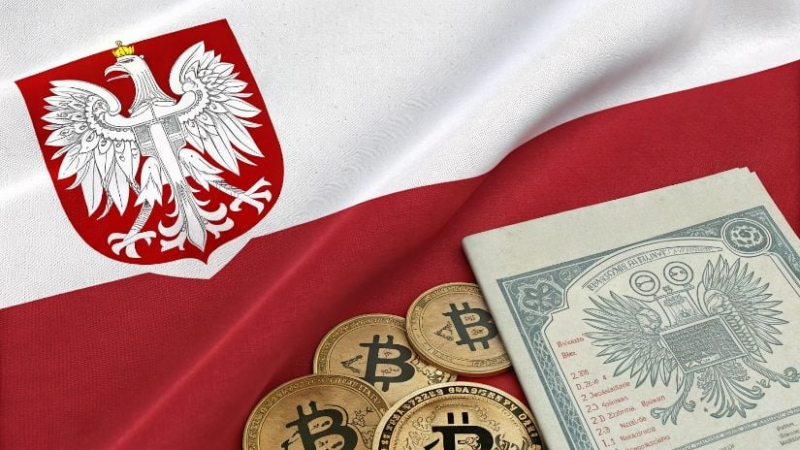
Poland’s decision to uphold a presidential veto on a major cryptocurrency regulation bill has intensified debate across European regulatory circles as policymakers struggle to balance operational burdens on firms with expanding national security concerns. The measure would have aligned Poland with the Markets in Crypto Assets framework, granting its financial regulator direct authority over token issuance and crypto service providers. The rejection preserves a regulatory gap at a time when regional agencies continue to report heightened vulnerability across digital financial channels. Market analysts monitoring the vote note that the government framed the bill as a necessary step toward limiting illicit financial flows, while political opponents argued that the legislative structure was more restrictive than implementations adopted by other European Union members. The stalemate underscores the challenge many jurisdictions face as they attempt to match evolving supervision standards without triggering capital flight among compliant digital asset companies.
Government officials emphasized that the market remains susceptible to infiltration by foreign intelligence services and organized groups seeking to exploit the lack of unified enforcement tools. National security services in Poland have previously reported episodes where digital assets were used in operational financing, although such claims remain heavily contested at the geopolitical level. The closed session held before the parliamentary debate indicates that lawmakers are factoring these risks into decisions related to regulatory architecture, and the framing of the discussion suggests that digital asset oversight is increasingly viewed as part of broader security posture rather than a purely financial matter. In the absence of the bill, regulators will continue operating without comprehensive powers intended to enforce transparency standards, issue compliance guidance, or pursue criminal liability related to token issuance misconduct. This uncertainty may complicate enterprise risk models for firms evaluating long term positioning in the country.
The veto highlights a wider trend across European markets as governments attempt to operationalize the Markets in Crypto Assets regime in ways that reflect domestic priorities. Some member states have moved toward lighter frameworks that seek to attract digital finance firms, while others prioritize stringent compliance, monitoring, and enforcement. The divergence places pressure on both financial institutions and technology providers that rely on consistent rules for cross border operations, a factor increasingly important as stablecoin issuers and tokenization platforms expand activity across the region. Analysts monitoring regulatory fragmentation caution that prolonged uncertainty may direct liquidity toward jurisdictions with clearer supervisory pathways. For now, the Polish government has signaled an intention to revisit the legislative structure in cooperation with the presidential office, but the timeline for drafting a compromise remains unclear. Until new standards emerge, digital asset companies will continue to operate in an environment where oversight expectations remain unresolved, creating a complex landscape for risk evaluation and compliance planning.