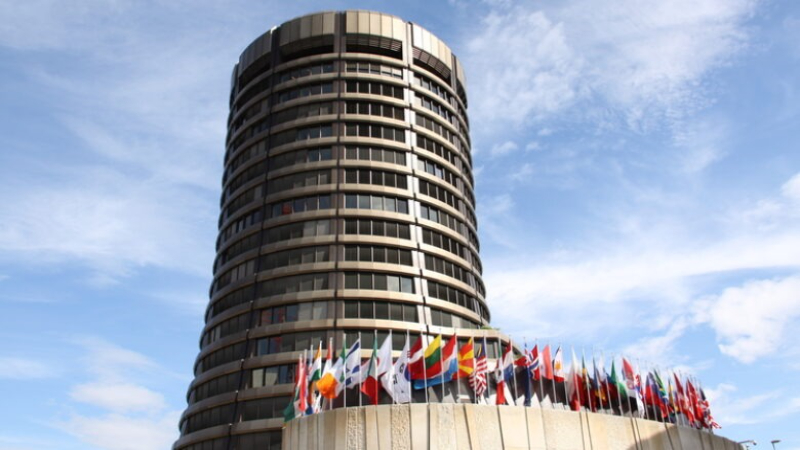
Global banking regulators are examining how stablecoin related exposures should be treated within existing capital frameworks, marking an important step toward integrating digital asset activity into regulated financial systems. As banks begin exploring roles such as custodians, reserve managers, and settlement intermediaries for stablecoin issuers, the Basel Committee is assessing how these activities fit into established supervisory guidelines. The goal is to ensure that stablecoin related operations are backed by appropriate levels of capital and risk management without hindering innovation.
This discussion reflects the rapid growth of stablecoins in payments and settlement infrastructure. Banks that engage with stablecoin reserves must evaluate factors such as liquidity risk, operational safeguards, and credit exposure. Regulators aim to create clear expectations that help financial institutions integrate stablecoins responsibly while maintaining the resilience of the banking sector.
Why capital treatment matters for banks engaging with stablecoin reserves
The most important issue driving this regulatory review is the need to determine how stablecoin reserve assets should be risk weighted within bank balance sheets. Stablecoin issuers typically hold high quality liquid assets such as treasury bills, cash, or short term deposits. When banks serve as custodians or reserve managers, they assume responsibilities that must be supported by adequate capital buffers. The Basel Committee is examining whether these exposures resemble traditional custodial activities or whether stablecoin specific features require additional safeguards.
Proper capital treatment is critical because it influences how actively banks can participate in stablecoin ecosystems. If risk weights are too high, participation becomes costly, limiting banks’ involvement. If risk weights are too low, supervisory frameworks may fail to capture operational or liquidity risks. Regulators aim to strike a balance that supports innovation while ensuring financial stability.
Key considerations shaping the Basel Committee’s approach
A significant consideration is the nature of the reserve assets themselves. Since many stablecoin reserves are composed of short term government securities, these assets typically carry low credit risk. However, the structure of redemption mechanisms and the stability of the issuer can influence overall exposure. Banks managing these reserves must evaluate whether redemptions could create sudden liquidity demands or concentration risks.
Another consideration is operational resilience. Stablecoin arrangements rely on technology driven settlement systems that differ from traditional banking processes. Banks providing services to issuers may face technology related risks, including smart contract vulnerabilities or system outages. Regulators are assessing how these operational factors should be reflected in capital guidelines to ensure that banks remain protected against unexpected disruptions.
Potential effects on bank participation in stablecoin ecosystems
Depending on the final determination of capital requirements, bank participation in stablecoin markets could expand significantly. Clear capital treatment gives banks certainty about the costs and obligations associated with offering reserve management, custodial support, and settlement services. This clarity is essential for institutions designing long term digital asset strategies.
If capital rules align with the low risk nature of reserve assets, more banks may enter the market and provide stablecoin issuers with institutional grade infrastructure. This could strengthen investor confidence and support broader use of regulated stablecoins in payments and cross border settlement. On the other hand, if capital requirements are set at higher levels to reflect operational risks, smaller institutions may find participation less attractive, potentially concentrating activity among larger global banks.
Implications for stability and regulatory coordination
A consistent regulatory approach helps maintain financial stability as stablecoin usage grows. The Basel Committee aims to ensure that banks supporting stablecoin operations apply risk management standards comparable to those used for other financial services. This alignment helps prevent regulatory gaps and reduces the possibility of systemic disruptions.
International coordination is essential since stablecoin activity is inherently cross border. By developing guidelines that can be applied across jurisdictions, regulators help avoid uneven requirements that could lead to fragmentation. Coordinated standards also support smoother integration between banking systems and digital settlement networks.
Conclusion
The Basel Committee’s exploration of capital treatment for banks holding stablecoin reserves marks an important phase in establishing regulatory clarity for the digital asset ecosystem. By evaluating risk weighting, operational considerations, and liquidity factors, regulators aim to build a framework that supports both stability and innovation. Clear guidelines will help banks participate confidently in stablecoin markets and contribute to the long term development of regulated digital finance.