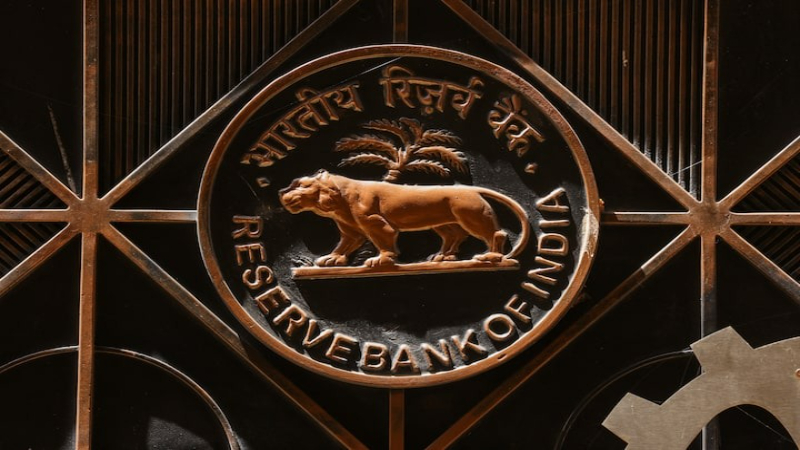
India’s central bank has reiterated a cautious position on stablecoins, framing them as a potential source of macroeconomic risk rather than a necessary extension of the financial system. Senior policymakers have emphasized that privately issued, fiat linked digital tokens introduce vulnerabilities that could affect monetary stability, fiscal oversight, and the resilience of banking intermediation. From this perspective, stablecoins are viewed less as payment innovations and more as parallel monetary instruments that may weaken policy transmission and capital controls. Officials argue that core payment and settlement functions already exist within the fiat system and that adding privately issued substitutes could complicate oversight without delivering proportional efficiency gains. This stance places India apart from several major jurisdictions that have moved to formalize regulatory frameworks for stablecoin issuance and circulation, reflecting a more conservative assessment of systemic trade offs.
Regulators have also questioned whether stablecoins provide demonstrable economic utility beyond speculative or niche transactional use cases. Concerns extend beyond illicit finance and capital flight to broader balance sheet and liquidity effects that could emerge if stablecoins were to scale significantly within domestic markets. Policymakers have highlighted the absence of intrinsic cash flows or sovereign backing as a structural weakness when compared with traditional financial assets. While crypto trading activity has continued to expand, particularly outside major urban centers, authorities maintain that market participation alone does not justify deeper integration into the core financial system. The regulatory approach remains focused on containment, with exchanges permitted to operate under registration and compliance requirements while broader policy decisions continue to be evaluated.
At the same time, India has advanced experimentation with central bank digital currency infrastructure as a controlled alternative to private digital money. Officials have positioned CBDCs as a more stable and policy aligned option that preserves monetary sovereignty while offering digital settlement efficiency. Ongoing retail and wholesale pilots have provided insights into adoption patterns and operational design without exposing the system to external issuer risk. This parallel track underscores a strategic preference for state issued digital instruments over market driven stablecoin models. For global observers, India’s position highlights a growing divergence in how large economies assess stablecoins, with implications for cross border interoperability, regulatory coordination, and the future role of private digital currencies in institutional finance.