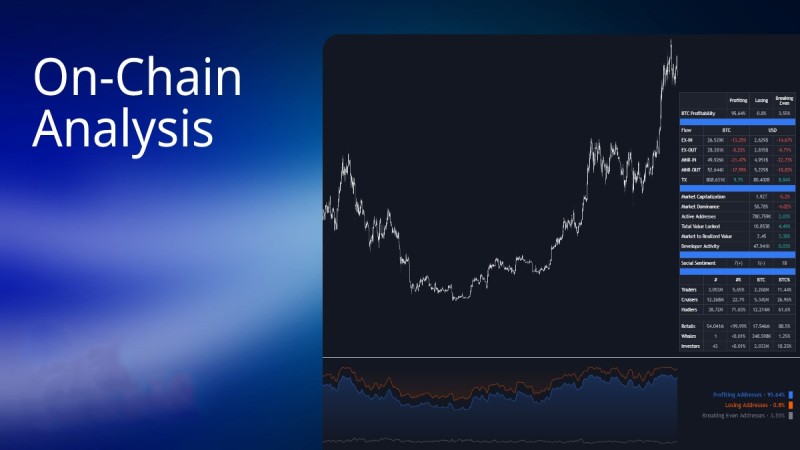
Digital asset markets have evolved beyond price focused observation, with structural indicators now offering deeper insight into overall market health. Among these indicators, on chain stability metrics have become essential for understanding how capital behaves during calm and stressed conditions. These metrics focus on liquidity balance, transaction consistency, and capital retention rather than speculative momentum.
Institutional participants increasingly rely on these signals to assess whether market stability is improving or deteriorating beneath surface level volatility. Unlike short term price movements, stability metrics reflect infrastructure usage and settlement behavior. This makes them valuable for evaluating whether market foundations are strengthening or weakening over time.
Stability Metrics As Core Indicators Of Market Structure
On chain stability metrics measure how effectively stable assets support liquidity and settlement across networks. High levels of consistent transaction volume and balanced inflows and outflows often indicate a well functioning market environment. When these metrics remain stable during volatile periods, it suggests resilience rather than fragility.
Institutions view stability metrics as a confirmation of market integrity. Rather than reacting to temporary price swings, they analyze whether liquidity remains accessible and predictable. Stable transaction throughput and steady reserve usage signal that the market can absorb shocks without structural disruption.
Liquidity Retention Reveals Capital Commitment
Liquidity retention refers to how long stable assets remain within active market infrastructure instead of exiting to external systems. When stable assets circulate within exchanges, protocols, and settlement layers for extended periods, it indicates confidence in the system’s reliability. Sudden withdrawals or sharp declines in on chain balances often signal caution or rising uncertainty.
Institutional capital tends to prioritize environments where liquidity is dependable. Strong retention metrics suggest that participants trust the market to meet obligations and support future activity. This behavior reflects long term commitment rather than short term positioning.
Transaction Consistency Signals Operational Confidence
Transaction consistency measures the regularity and predictability of on chain activity. Markets with stable transaction patterns tend to exhibit healthier settlement processes and lower operational risk. Sharp spikes or drops in activity can point to stress, congestion, or participant hesitation.
For institutions, consistent transaction flow is a sign that infrastructure can handle scale without disruption. This reliability supports confidence in deploying capital and maintaining exposure even during uncertain periods. Over time, consistent metrics reinforce trust in both the technology and the broader market framework.
Stable Asset Utilization Highlights Risk Awareness
The way stable assets are utilized across lending, trading, and settlement provides insight into risk awareness among participants. Balanced utilization suggests disciplined capital management, while excessive concentration in a single use case can increase vulnerability. Institutions monitor these patterns to gauge whether risk is being distributed responsibly.
When stable asset usage aligns with predictable demand rather than speculative excess, it reflects a mature market phase. This balance supports smoother liquidity cycles and reduces the likelihood of abrupt dislocations. Stability metrics therefore help identify whether growth is sustainable or overstretched.
Conclusion
On chain stability metrics offer a structural view of market health that extends beyond price based analysis. By examining liquidity retention, transaction consistency, and stable asset utilization, institutions gain a clearer understanding of resilience and risk. As digital markets mature, these metrics will continue to serve as essential tools for evaluating long term stability and confidence.