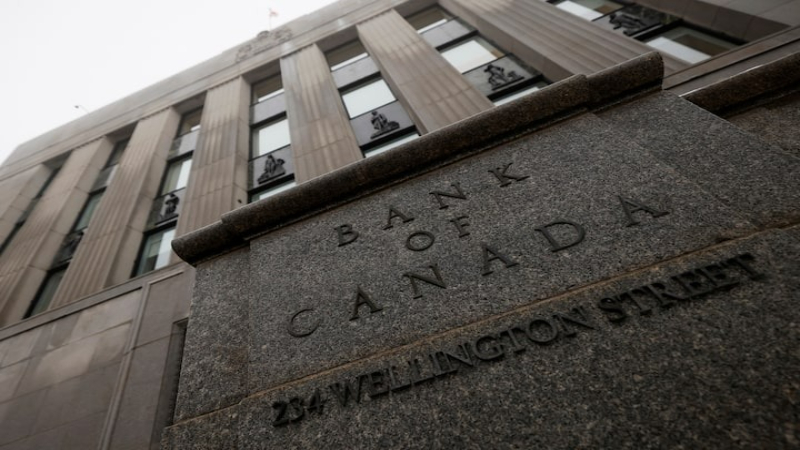
Canada’s central bank has outlined a firm framework for how future stablecoins should be structured, signaling that any digital tokens operating in the country will be held to standards similar to traditional money. Policymakers emphasized that stablecoins must maintain a one to one peg with a sovereign currency and be fully supported by high quality liquid assets that can be converted to cash at face value. This approach places government securities such as treasury bills and bonds at the center of acceptable reserve composition. The guidance reflects a cautious view of digital money, framing stablecoins as payment instruments rather than speculative assets. By setting expectations early, authorities aim to reduce uncertainty for financial institutions while reinforcing public confidence in digital settlement tools. The message is clear that stablecoins are expected to function reliably across market conditions, without exposing users or the broader financial system to redemption or liquidity risks.
Regulatory clarity is expected to arrive through formal legislation next year, with the central bank positioned as the primary overseer. Transparency requirements will play a central role, including clear disclosure around redemption terms, timelines, and potential fees. Officials have framed these measures as necessary to ensure that digital tokens can be trusted by consumers and businesses in the same way as cash or bank deposits. The framework also aligns stablecoins with broader financial stability goals, limiting the possibility that poorly structured tokens could amplify stress during periods of market disruption. By anchoring stablecoins to liquid reserves and explicit disclosure rules, the policy approach seeks to balance innovation with prudence. This positions stablecoins as a regulated extension of the payments system rather than an alternative operating outside existing safeguards.
The guidance arrives as Canada accelerates broader financial infrastructure upgrades, including real time payment rails and preparations for open banking. Together, these initiatives suggest a coordinated strategy to modernize how money moves while preserving institutional control and systemic resilience. Stablecoins are being framed as one component within this evolving architecture, not a replacement for the banking system. By emphasizing asset quality and parity with central bank money, policymakers are signaling that digital innovation must integrate with established monetary frameworks. The approach mirrors a growing international trend where regulators prioritize stability and interoperability over rapid experimentation. For markets, the development reinforces that regulated stablecoins are likely to emerge slowly and deliberately, shaped more by policy discipline than by competitive pressure from unregulated digital assets.