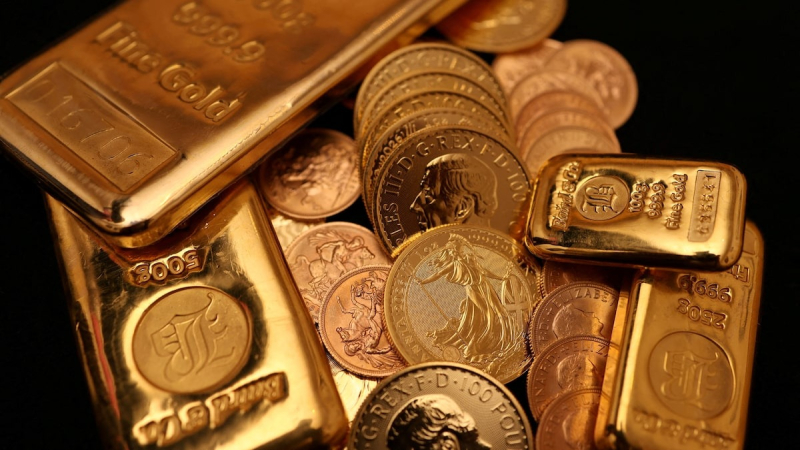
Gold’s surge in 2025 has reshaped expectations across global markets, with the metal recording its strongest annual performance in decades and resetting long-term price assumptions. Prices more than doubled over the past two years and reached record territory above $4,300 per ounce during the autumn, driven by a mix of institutional demand, geopolitical stress, and macroeconomic uncertainty. Unlike previous cycles where sharp rallies often preceded deep corrections, the current move is increasingly viewed as structurally supported. Analysts point to sustained diversification away from dollar-denominated assets, concerns over fiscal stability in major economies, and heightened sensitivity to geopolitical risk as reasons the rally has proven resilient even as speculative positioning periodically cools.
A defining feature of the current cycle has been the scale and consistency of central bank participation. For a fifth consecutive year, official sector buyers have accumulated gold as part of broader reserve rebalancing strategies, providing a steady floor during periods of investor pullback. This demand has coincided with a gradual rise in gold’s share of global asset allocations, which, while elevated compared with pre-2022 levels, is still not widely viewed as excessive by institutional standards. Market participants note that central banks tend to add during price consolidations rather than peaks, reinforcing stability and allowing prices to reset before extending higher. This pattern has helped keep prices supported above historically significant thresholds even as volatility in other asset classes increases.
Investor behavior has also evolved alongside the rally, with gold increasingly positioned as both a diversification tool and a hedge against correlated risks across equities, currencies, and sovereign debt. Recent analysis has highlighted the unusual alignment of rising equity markets and rising gold prices, a dynamic rarely observed over extended periods. This has intensified debate over valuation risks but has also underscored gold’s role as insurance against sudden shifts in financial conditions. As trade tensions, geopolitical conflicts, and policy uncertainty persist, many institutions see gold’s outlook into next year as one defined less by speculative momentum and more by sustained structural demand from both official and private sectors.