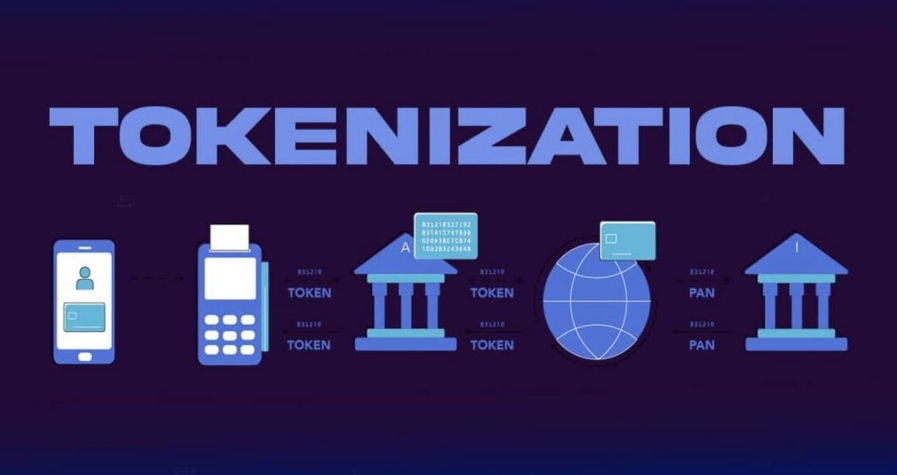
Tokenized assets are often introduced through technical papers filled with complex terminology and abstract models. While these documents serve a purpose, they can obscure the practical meaning of tokenization for non technical readers. Understanding tokenized assets does not require deep technical knowledge. It requires clarity about function, structure, and use.
At its core, tokenization is about representing ownership or rights in a digital format. Instead of changing what an asset is, tokenization changes how it is recorded, transferred, and managed. This guide explains tokenized assets in plain terms, focusing on how they work and why institutions are paying attention.
What tokenized assets actually are
A tokenized asset is a digital representation of a real or financial asset on a digital system. The asset itself does not disappear or transform. Ownership records are simply expressed in a new format.
This format allows assets such as securities, funds, or commodities to be tracked and transferred digitally. Tokenization replaces fragmented record keeping with a shared representation that updates in real time.
The key point is that tokenization does not create value on its own. It changes the infrastructure used to manage existing value. This distinction helps separate substance from hype.
Ownership stays the same, record keeping changes
Tokenization does not alter legal ownership by default. Legal frameworks still define who owns an asset and what rights apply. Tokenization changes how those rights are recorded and transferred operationally.
Traditional systems rely on multiple ledgers maintained by different intermediaries. Tokenization consolidates records into a shared system. This reduces reconciliation and improves transparency.
Understanding this shift helps explain why institutions see efficiency benefits. Fewer records mean fewer errors and faster settlement.
Why institutions care about tokenization
Institutions care about tokenization because it improves operational efficiency. Faster settlement reduces counterparty risk. Real time visibility improves liquidity management.
Tokenization also supports automation. Transfers can occur alongside predefined conditions, reducing manual processing. These efficiencies lower costs and improve reliability.
Importantly, tokenization aligns with existing assets. Institutions do not need to invent new products to benefit. They can apply tokenization to familiar instruments.
Tokenization is not the same as creating new assets
A common misunderstanding is that tokenization creates entirely new asset classes. In most institutional contexts, tokenization is applied to existing assets rather than inventing new ones.
This approach reduces risk. Regulators are more comfortable overseeing known instruments represented digitally than novel products with unclear characteristics.
Tokenization therefore supports modernization without disruption. It enhances how assets move without redefining their economic role.
Settlement improves more than trading
Tokenization is often associated with trading innovation, but its biggest impact is on settlement. Shorter settlement cycles reduce exposure and free capital.
When ownership updates instantly, delivery and payment can be coordinated. This reduces settlement risk and simplifies post trade processes.
Institutions prioritize these benefits because settlement reliability underpins market stability. Tokenization improves plumbing rather than front end features.
Legal and governance frameworks still matter
Tokenized assets operate within legal systems. Laws determine enforceability, insolvency treatment, and dispute resolution. Tokenization must align with these frameworks.
Governance structures define who controls issuance and updates. Clear governance is essential for trust. Without it, efficiency gains are undermined.
Understanding tokenization therefore requires attention to governance and law, not just technology.
Interoperability affects usefulness
Tokenized assets must interact with existing systems. If tokenized platforms are isolated, benefits remain limited.
Interoperability allows tokenized assets to integrate with payment systems, custody services, and reporting tools. This integration determines whether tokenization scales beyond pilots.
Institutions therefore focus on compatibility rather than novelty. Tokenization succeeds when it fits into broader infrastructure.
What tokenization does not solve
Tokenization does not remove financial risk. Market risk, credit risk, and legal risk remain. It also does not eliminate the need for oversight.
Efficiency gains depend on proper implementation. Poor governance or weak integration can create new vulnerabilities.
Understanding these limits prevents unrealistic expectations. Tokenization is a tool, not a cure.
A practical way to evaluate tokenized assets
To evaluate tokenized assets, ask practical questions. What asset is represented. How is ownership enforced. How does settlement occur. Who governs the system.
Avoid focusing solely on technical language. Practical function matters more than architectural detail.
This approach allows informed understanding without specialized knowledge.
Conclusion
Understanding tokenized assets does not require reading a whitepaper. Tokenization is about improving how existing assets are recorded, transferred, and settled. By focusing on function, governance, and integration, tokenized assets can be understood as infrastructure improvements rather than abstract innovations.