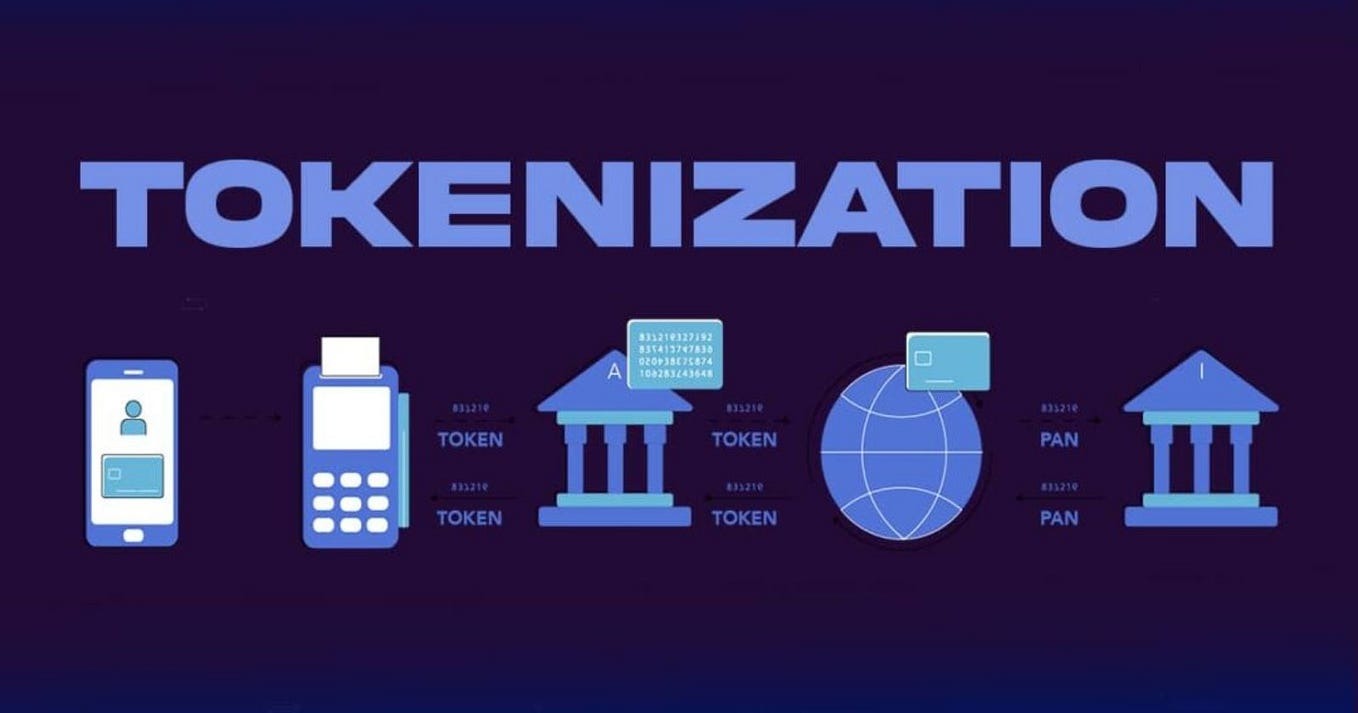
Tokenized assets are often introduced as a technological upgrade to existing financial products, but their implications for portfolio construction run deeper than format alone. For traditional investors, tokenization is less about creating new asset classes and more about changing how assets are accessed, combined, and managed within portfolios. This shift affects structure, liquidity assumptions, and operational decision making.
Portfolio construction has always balanced risk, return, liquidity, and correlation. Tokenization does not rewrite these principles, but it alters how they are applied. By changing settlement dynamics and access pathways, tokenized assets influence portfolio design in ways that institutions are still learning to navigate.
Tokenization changes how portfolios access assets
The most immediate impact of tokenized assets is on access. Traditional portfolios are constrained by market hours, minimum investment sizes, and settlement timelines. Tokenization reduces many of these frictions by allowing assets to be issued, transferred, and settled through digital systems.
Improved access allows portfolio managers to allocate capital more precisely. Smaller position sizes, faster rebalancing, and broader diversification become easier to implement. This does not increase risk appetite by default, but it increases flexibility in how exposure is managed.
As access improves, portfolios can be adjusted more frequently without increasing operational burden. This changes the rhythm of portfolio management, even if underlying investment objectives remain the same.
Liquidity assumptions evolve with tokenized instruments
Liquidity is a core consideration in portfolio construction. Tokenized assets introduce new liquidity characteristics that differ from traditional instruments. Faster settlement and continuous transferability can improve usable liquidity, even when underlying assets remain the same.
This does not mean all tokenized assets are inherently liquid. Liquidity still depends on market participation and demand. However, tokenization reduces structural barriers that previously limited liquidity, such as long settlement cycles or restricted transfer windows.
Portfolio managers must adjust how they assess liquidity risk. The focus shifts from nominal liquidity to functional liquidity, meaning how quickly value can be accessed when needed.
Operational efficiency influences allocation decisions
Operational costs and complexity have always shaped portfolio choices. Assets that are difficult to settle or reconcile require more resources to manage. Tokenized assets can reduce these costs by simplifying settlement and record keeping.
Lower operational friction makes certain allocations more attractive. Strategies that were previously avoided due to complexity may become viable when execution and reconciliation are automated. This expands the toolkit available to portfolio managers without changing risk tolerance.
Efficiency also supports scalability. Portfolios can grow or adjust without proportionally increasing operational overhead. This is particularly relevant for institutions managing diverse or global portfolios.
Risk management remains central but looks different
Tokenization does not remove risk, but it changes where risk is concentrated. Market risk remains tied to asset performance, but operational and settlement risk may decrease with well designed tokenized systems.
Portfolio construction must account for new dependencies, such as technology platforms and settlement infrastructure. These risks are different from traditional counterparty risk but must still be managed through governance and oversight.
Institutions integrate tokenized assets into existing risk frameworks rather than creating separate models. This ensures consistency and avoids overstating novelty.
Correlation and diversification considerations
Tokenized assets do not automatically provide diversification. Correlation depends on economic drivers, not issuance format. However, improved access may allow portfolios to include exposures that were previously difficult to reach.
This can enhance diversification by broadening the opportunity set. Tokenization enables participation in markets or structures that were operationally impractical before. Portfolio benefits arise from access, not from tokenization itself.
Understanding this distinction helps avoid overestimating the impact of format on risk and return.
Gradual integration into traditional portfolios
Most institutions are integrating tokenized assets gradually. They begin with limited allocations and specific use cases to understand operational behavior. This measured approach reflects the importance of stability in portfolio management.
Tokenized assets are evaluated alongside traditional instruments using the same principles. Over time, familiarity grows, and integration becomes more seamless. The portfolio evolves without abandoning established discipline.
This gradualism ensures that innovation supports rather than disrupts long term investment goals.
Conclusion
Tokenized assets do not redefine portfolio construction, but they reshape how it is executed. By improving access, settlement efficiency, and operational flexibility, they influence allocation decisions and liquidity management. Traditional portfolio principles remain intact, but the tools used to apply them are changing. As tokenization matures, its role in portfolio construction will be defined by practicality rather than novelty