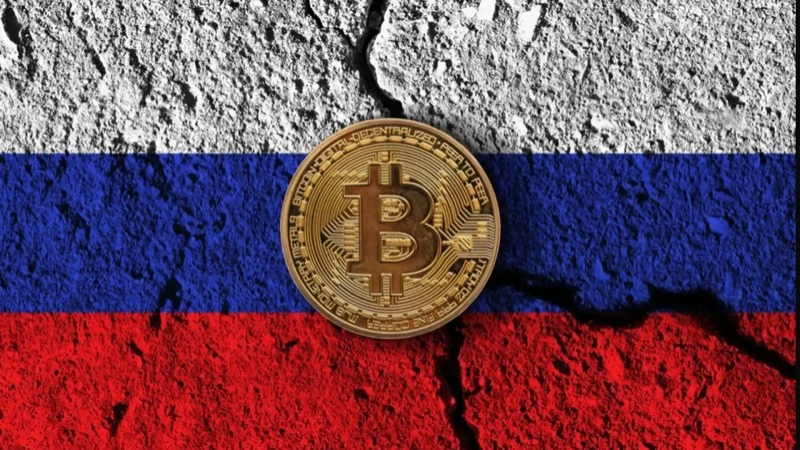
Bank of Russia has outlined a new regulatory framework that would formally allow cryptocurrency trading by individuals and institutions, marking a continued shift toward controlled acceptance of digital assets. The proposal sets the stage for adoption beginning in 2026, with a phased expansion through 2027, and reflects growing recognition of existing crypto activity within the economy. While emphasizing caution, the central bank acknowledged crypto and stablecoins as monetary assets that may be bought and sold under defined conditions. At the same time, it reaffirmed that such assets will not be permitted for domestic payments. Officials stressed that crypto investments carry elevated volatility and sanctions related risks, placing responsibility on investors to understand potential losses. The framework signals an effort to bring crypto activity into a regulated perimeter while preserving oversight and financial stability.
Under the proposal, ordinary Russian citizens would be allowed to trade cryptocurrencies through licensed platforms, subject to annual purchase limits and risk awareness testing. Nonqualified investors would face a cap of three hundred thousand rubles per intermediary each year, while qualified investors could trade without volume restrictions after passing a knowledge assessment. Privacy focused cryptocurrencies that obscure transaction data would remain prohibited. The framework also grants legal standing to crypto services offered by existing Russian financial institutions, including exchanges, brokers, and asset managers operating under current licenses. Additional rules are expected to define standards for custodians and wallet providers. This approach reflects a move to integrate crypto trading into the existing financial system rather than allowing parallel or informal markets to persist.
The proposal also introduces flexibility for cross border activity by permitting residents to purchase crypto through foreign accounts and later transfer holdings to licensed domestic platforms, provided tax reporting requirements are met. This represents a reversal from earlier positions that restricted such flows. In parallel, the framework supports broader use of Russian issued digital financial assets, including circulation on public networks and potential access for foreign investors. The measures follow months of indications that authorities were preparing for broader crypto access under supervision, as well as reports that major financial institutions are seeking approval to offer spot trading. Together, the changes suggest that crypto is being repositioned as a regulated financial instrument within Russia rather than an activity operating outside formal oversight