Institutional investors entered digital finance cautiously, often treating it as an experimental allocation rather than a core component of their portfolios. In 2026, that posture has shifted. Institutions are no longer asking whether digital finance belongs in their strategies, but under what conditions it can be trusted. The answer lies in the quality of financial infrastructure that supports digital markets.
Stable financial infrastructure is not defined by innovation alone. Institutions look for systems that behave predictably, integrate with existing operations, and align with regulatory expectations. These criteria determine whether digital platforms can support long term capital rather than short term participation.
Reliability Is the Primary Requirement
Reliability sits at the top of institutional evaluation. Investors assess whether infrastructure can operate consistently across market conditions without interruption. Downtime, delayed settlement, or unclear transaction outcomes introduce unacceptable risk.
In 2026, reliability includes settlement certainty, operational resilience, and redundancy. Institutions prefer systems that demonstrate a history of stable performance rather than rapid feature expansion. Proven reliability reduces the need for manual oversight and contingency planning.
This focus reflects fiduciary responsibility. Capital must be deployed in environments where basic functions can be trusted under stress, not just during favorable conditions.
Transparency Supports Risk Assessment
Transparency is essential for institutional risk management. Investors need visibility into how systems function, how assets are secured, and how decisions are made. Infrastructure that obscures these details raises risk, regardless of performance claims.
Clear reporting on settlement processes, custody arrangements, and governance structures allows institutions to evaluate exposure accurately. Transparency also supports compliance and audit requirements, which are central to institutional operations.
In digital finance, transparency often distinguishes infrastructure designed for long term use from platforms optimized for short term growth.
Governance and Accountability Are Non Negotiable
Institutions require defined governance frameworks. They evaluate who controls system upgrades, how conflicts are resolved, and how accountability is enforced. Informal or opaque governance structures increase uncertainty and limit adoption.
Stable infrastructure features clear roles, documented processes, and escalation mechanisms. These elements enable institutions to assess governance risk and respond effectively during disruptions.
As digital finance matures, governance quality increasingly influences capital allocation decisions. Systems with strong governance attract deeper and more sustained participation.
Interoperability Enables Operational Integration
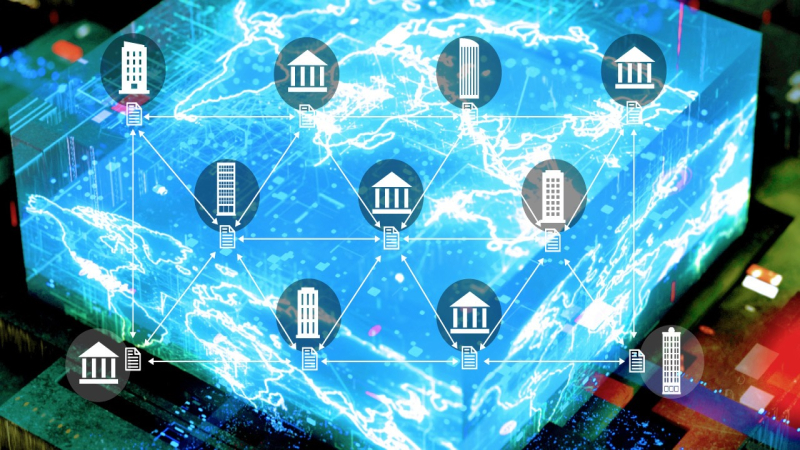
Institutional investors operate across multiple systems and markets. Infrastructure must integrate smoothly with existing workflows rather than operate in isolation. Interoperability allows digital platforms to connect with traditional systems without creating operational silos.
In 2026, interoperability is viewed as a sign of maturity. It reduces friction, supports scalability, and lowers integration costs. Infrastructure that requires extensive customization or workarounds is less attractive to institutions.
By enabling seamless connectivity, interoperable systems support broader adoption and more efficient capital deployment.
Risk Controls Are Embedded, Not Added Later
Institutions prefer infrastructure where risk controls are built into system design. This includes transaction limits, monitoring tools, and automated safeguards. Embedded controls reduce reliance on manual intervention and improve consistency.
When risk management is integrated, systems can respond to stress more predictably. Institutions gain confidence that exposures are managed continuously rather than reactively.
Embedded risk controls align digital infrastructure with traditional financial standards, supporting trust and long term engagement.
Conclusion
Institutional investors look for stable financial infrastructure that prioritizes reliability, transparency, governance, interoperability, and embedded risk controls. In 2026, these qualities determine whether digital platforms can support sustained institutional capital. Infrastructure that meets these expectations is positioned to play a lasting role in the evolving financial system.