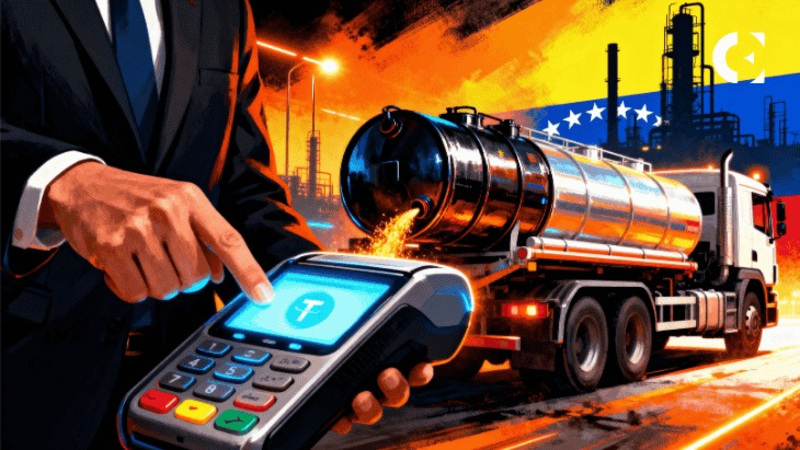
Venezuela’s state owned oil company quietly turned to stablecoin payments as international sanctions cut off access to traditional dollar based banking channels, highlighting how digital assets have become embedded in global commodity flows. Petróleos de Venezuela began using USDT issued by Tether to settle crude oil transactions after financial restrictions limited its ability to move funds through conventional systems. By early 2024, buyers were reportedly required to maintain crypto wallets and prepay for shipments using USDT, allowing deals to proceed despite ongoing restrictions. Oil sales to foreign refiners, including in Asia, were routed through intermediaries that facilitated settlement using the stablecoin. The approach underscored how crypto based payment rails can function as parallel infrastructure when sanctioned entities lose access to global finance, particularly in sectors like energy trading where large cross border settlements are essential.
The use of USDT also coincided with broader domestic adoption of crypto across Venezuela as citizens sought alternatives to a collapsing local currency. Hyperinflation eroded the value of the bolivar, pushing households and businesses toward dollar linked instruments and digital assets for everyday transactions. By late 2025, cryptocurrencies were estimated to account for a meaningful share of retail payments, particularly for groceries and basic goods, reflecting how stablecoins had become a practical medium of exchange rather than a speculative asset. Tether has said it works closely with US authorities and regularly assists in monitoring and freezing wallets linked to sanctions violations, noting that dozens of Venezuela connected addresses had been restricted by 2024. The situation illustrates the dual role of stablecoins as both financial lifelines in distressed economies and tools that raise regulatory and enforcement challenges.
The revelations arrive against a shifting political backdrop following the arrest of Nicolás Maduro in early January, an event that has intensified scrutiny of Venezuela’s financial and trade practices. Despite leadership changes, US sanctions on the country’s oil sector remain in place, with restrictions tied to Petróleos de Venezuela still active pending policy decisions. For regulators, the episode reinforces concerns that digital currencies can be used to bypass controls designed for the traditional banking system. For markets, it highlights how stablecoins have evolved into critical settlement infrastructure in parts of the global economy operating under constraint. As enforcement agencies and issuers continue to tighten oversight, the Venezuela case is likely to influence future debates over how stablecoins are monitored, regulated, and integrated into international financial frameworks.