The Bank of Thailand has expanded its monitoring of USDT transactions as part of a broader effort to curb so called grey money flows within the country’s financial system. According to local reporting, the central bank identified that roughly 40% of USDT sellers operating on Thai crypto platforms are foreign participants who are not authorized to trade domestically. This finding has prompted authorities to place stablecoin activity under closer review, alongside cash movements, gold trading, and electronic wallet flows. While Thailand’s domestic crypto market remains relatively small, averaging around 2.8 billion baht in daily trading volume, officials have emphasized that size alone does not eliminate potential risks. The central bank has signaled that stablecoins, particularly USDT, can be used to move value across borders quickly, making them relevant to efforts aimed at safeguarding financial integrity and monitoring unconventional capital flows.
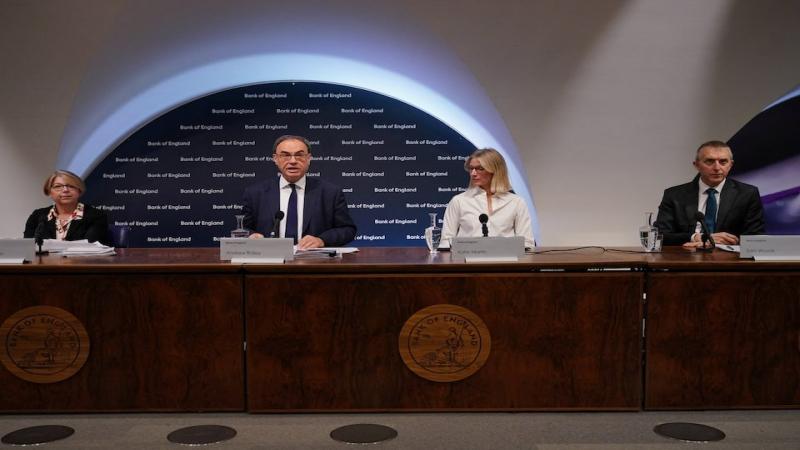
Officials have stressed that the increased scrutiny is preventative rather than reactionary, reflecting concerns about long term macroeconomic stability rather than immediate market disruption. Governor Vitai Ratanakorn has stated that authorities will move beyond passive observation and take a more active role in addressing structural vulnerabilities linked to digital asset usage. The review follows a directive issued earlier this month by the Thai prime minister calling for tighter oversight across gold trading and digital assets, including enhanced reporting standards and stricter wallet identification requirements. The initiative involves coordination between the central bank, the Revenue Department, and other agencies to better track large or unusual financial movements. By extending its monitoring framework to stablecoins, Thailand is signaling that digital assets are increasingly being treated as part of the broader financial system rather than a peripheral market operating outside traditional oversight.
The move comes as stablecoin usage continues to grow globally, drawing greater attention from regulators concerned about illicit finance and sanctions evasion. USDT, issued by Tether, remains the dominant stablecoin by circulation and is widely used across emerging markets due to its liquidity and accessibility. Industry data shows that stablecoins now account for a significant share of on chain illicit transaction volume, reinforcing regulatory focus worldwide. Tether has stated that it works closely with law enforcement agencies and has adopted a proactive wallet freezing policy to comply with international sanctions frameworks. Recent enforcement actions, including the freezing of large USDT balances linked to suspicious activity, have underscored the centralized control issuers retain over stablecoin networks. Thailand’s decision to closely monitor USDT trades reflects a broader regional and global trend, where authorities are attempting to balance the efficiency benefits of stablecoins with heightened concerns around transparency, compliance, and cross border financial risk.