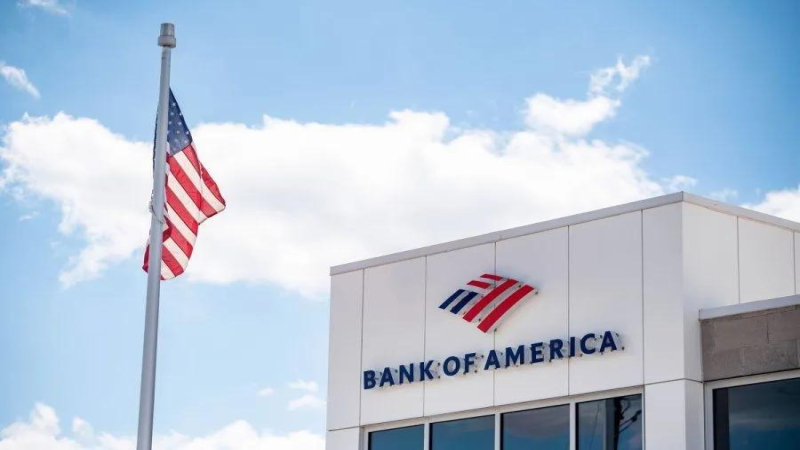
Bank of America’s chief executive has warned that while his institution can adapt to the growth of stablecoins, their expansion could pose significant risks to the wider banking system by drawing trillions of dollars out of traditional deposits. Speaking during an investor conference alongside the bank’s fourth quarter results, Brian Moynihan said the possibility of as much as $6 trillion migrating into stablecoins or stablecoin linked products is a serious concern for lenders that rely on deposits as a primary source of funding. He emphasized that deposits are not merely a transactional convenience but a core input that supports lending across the economy. If large volumes of cash move off bank balance sheets and into blockchain based substitutes, banks may be forced to rely more heavily on wholesale funding markets, a shift that typically comes with higher costs and structural constraints.
The comments come as U.S. lawmakers continue to debate how stablecoins should be regulated following the passage of the GENIUS Act, which established a federal framework for dollar pegged crypto tokens. Bank executives and industry groups argue that the legislation did not go far enough in preventing stablecoins from functioning as interest bearing alternatives to bank deposits. While issuers are formally barred from paying interest directly, banks warn that yield like incentives can still be structured around stablecoin products, effectively encouraging savers to move funds out of regulated institutions. Industry representatives have urged lawmakers to close what they describe as loopholes that could allow stablecoins to compete directly with deposits without being subject to the same capital, liquidity and supervision requirements that banks face.
Moynihan said Bank of America would meet customer demand regardless of how the market evolves, but reiterated that the broader implications for credit availability remain unresolved. As deposits shrink, lending capacity could decline, particularly affecting small and midsize businesses that depend on bank credit rather than capital markets. Some large financial institutions have taken a more measured view, arguing that stablecoins will coexist alongside deposits rather than replace them entirely, serving different use cases within a layered monetary system. Still, with Bank of America ending 2025 holding roughly $2 trillion in deposits, even modest shifts toward blockchain based alternatives could have meaningful consequences. The debate highlights how stablecoins are no longer viewed solely as payment tools, but as potential competitors within the core funding structure of the banking system.