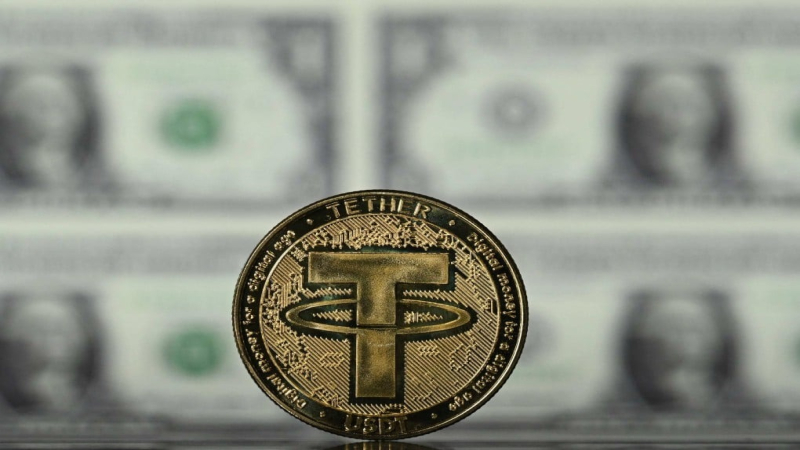
A delay in advancing a major U.S. crypto market structure bill may ultimately strengthen the final legislation, according to market analysts who view the pause as an opportunity to resolve unresolved policy conflicts. Senate committees postponed planned markups of the bill as lawmakers grapple with sensitive issues, including stablecoin yield and the treatment of tokenized securities. Rather than signaling a breakdown, the delay reflects how central stablecoins have become to the broader financial system and how carefully Congress is weighing their role. Stablecoins now function as core payment rails and liquidity tools, which has raised concerns among banks, crypto firms,s and regulators about how incentives and rewards should be structured. The lack of a new timetable underscores the complexity of aligning financial stability priorities with innovation as digital assets move closer to mainstream adoption.
Analysts argue that the additional time gives lawmakers space to refine provisions that could determine whether institutions fully engage with U.S. crypto markets. One of the most contentious points is whether stablecoin issuers or platforms should be allowed to offer yield simply for holding digital dollars. Banks warn that yield-bearing models could draw deposits away from traditional institutions, while crypto firms counter that strict limits could weaken liquidity and reduce competitiveness. The bill also faces pressure around tokenized securities, which institutions see as a major growth area but one that requires clear jurisdictional boundaries between regulators. Without clarity, firms risk pushing innovation offshore or shelving products entirely. The pause highlights how stablecoin policy now sits at the intersection of payments, banking, and capital markets.
Industry reaction to the delay has been mixed, reflecting fractures that have emerged as regulation becomes more specific. Some market participants see the pause as constructive, believing it increases the likelihood that the final framework will be durable and workable. Others view it as a setback that could push passage deeper into 2026, especially as election season approaches and legislative bandwidth narrows. Stablecoins have become a focal point in this debate because they blur the lines between deposits, payments, and digital assets. How Congress ultimately resolves questions around yield and oversight will shape not just crypto markets, but how digital dollars integrate into the U.S. financial system. The delay reinforces that stablecoin regulation is no longer peripheral, but central to market structure reform.