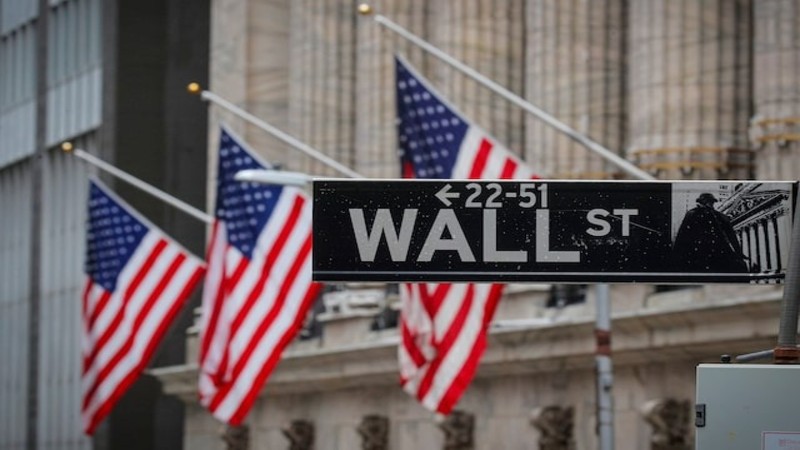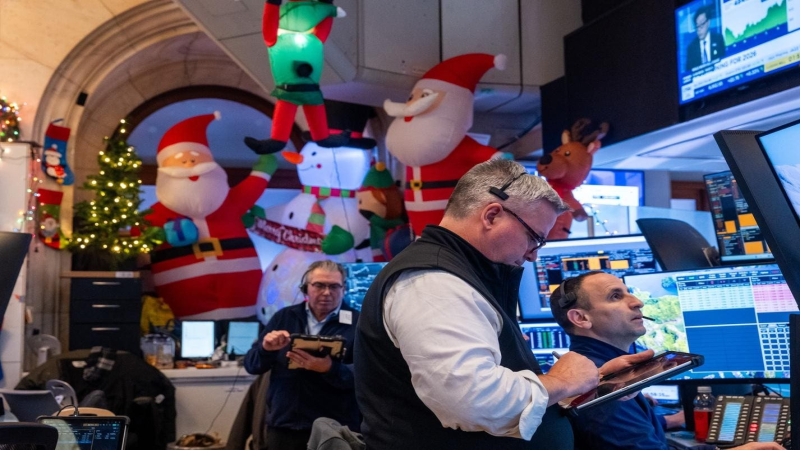
Major financial institutions are accelerating efforts to bring traditional assets onto blockchain rails, signaling a structural shift in how markets operate. The New York Stock Exchange has announced plans to build a tokenized securities platform offering round-the-clock trading, instant settlement, and stablecoin-based funding for U.S. equities and exchange-traded funds. The initiative is being developed with support from Intercontinental Exchange, alongside banking partners BNY Mellon and Citigroup, which are working on tokenized deposit infrastructure to support clearing and margin requirements. The move reflects growing confidence among incumbents that blockchain-based settlement can coexist with regulatory safeguards, marking a shift from experimentation toward production-grade financial infrastructure.
Tokenization activity is expanding well beyond equities, with commodities, funds, and other real-world assets increasingly moving on-chain. Market data shows that tokenized treasuries, credit products, and commodities now represent tens of billions of dollars in value, with projections pointing toward rapid growth through 2026. Stablecoins have emerged as a key enabler of this transition, providing a programmable dollar layer that allows assets to trade and settle without reliance on traditional banking hours. Regulatory developments have also played a central role, with clearer frameworks around stablecoin issuance and pilot programs for tokenized securities reducing uncertainty for large institutions. Together, these factors have created conditions where blockchain settlement is no longer viewed as niche technology but as a viable upgrade to legacy market plumbing.
As traditional finance adopts crypto-native infrastructure, the distinction between digital assets and conventional markets is becoming less pronounced. At the same time, crypto-focused firms are increasingly operating within regulated environments, including public listings and compliance-driven product design. This convergence is shifting competition away from asset access and toward user experience, distribution, and interface design. With multiple platforms able to tap into the same on-chain assets, differentiation is expected to come from how efficiently and intuitively investors can trade, settle, and manage positions. The growing embrace of tokenization by Wall Street suggests that blockchain is evolving into shared financial infrastructure, setting the stage for a new phase of market structure transformation.