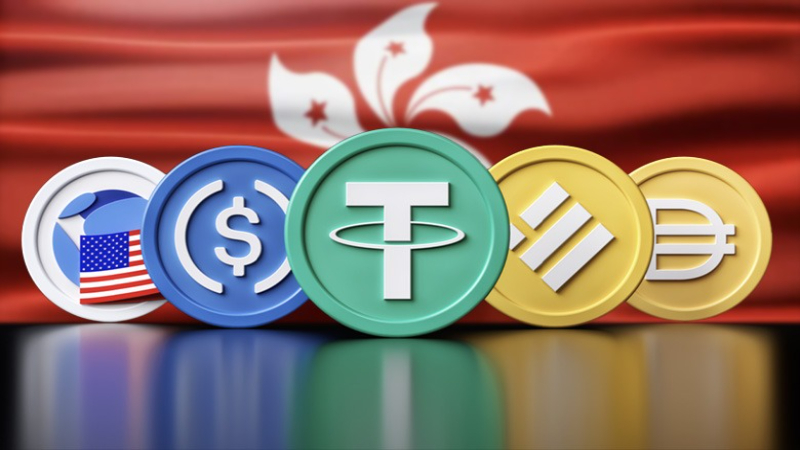
Hong Kong is preparing to issue its first stablecoin issuer licences in the first quarter of 2026, marking a significant step in its effort to position itself as a leading digital asset hub in Asia. The move follows the passage of a dedicated stablecoin regulatory framework last year and reflects the city’s strategy of integrating crypto-related activity into its existing financial system under clear oversight. Officials have indicated that the licensing process will prioritize financial stability, consumer protection, and operational resilience, with applicants required to meet strict standards on reserve backing, redemption rights, governance, and risk management. By formalizing stablecoin issuance, Hong Kong aims to attract compliant issuers while reducing the risks associated with unregulated digital money. The initiative comes as global regulators increasingly focus on stablecoins due to their growing use in payments, trading, and tokenized finance.
The stablecoin licensing plan is part of a broader digital finance push that includes regulated trading platforms and tokenization initiatives. Hong Kong already operates a licensing regime for virtual asset trading platforms, under which a limited number of operators have been approved to serve retail and institutional users. Regulators see stablecoins as a foundational layer that can support trading, settlement, and future tokenized products within a controlled environment. Alongside stablecoin rules, authorities are expanding consultations on licensing for crypto asset dealing, advisory, and asset management services. This coordinated approach is designed to build a full digital asset ecosystem rather than isolated crypto activities. Officials have framed digital finance as a long-term growth pillar that supports Hong Kong’s role as an international financial center amid rising competition from other regulated crypto hubs.
At the same time, the regulatory expansion has prompted debate within the financial industry about balancing oversight with competitiveness. Asset managers and industry groups have warned that tighter compliance requirements could increase costs and slow institutional participation if not carefully calibrated. Hong Kong’s regulators have acknowledged these concerns while emphasizing that credibility and trust are essential for sustainable growth in digital assets. Recent pilot programs testing tokenized deposits and real-value transactions signal that authorities are willing to experiment within controlled parameters. By moving ahead with stablecoin licensing, Hong Kong is signaling that it prefers structured adoption over rapid expansion. The success of the initiative will depend on whether the regime attracts high-quality issuers while maintaining enough flexibility to support innovation in payments and tokenized finance.