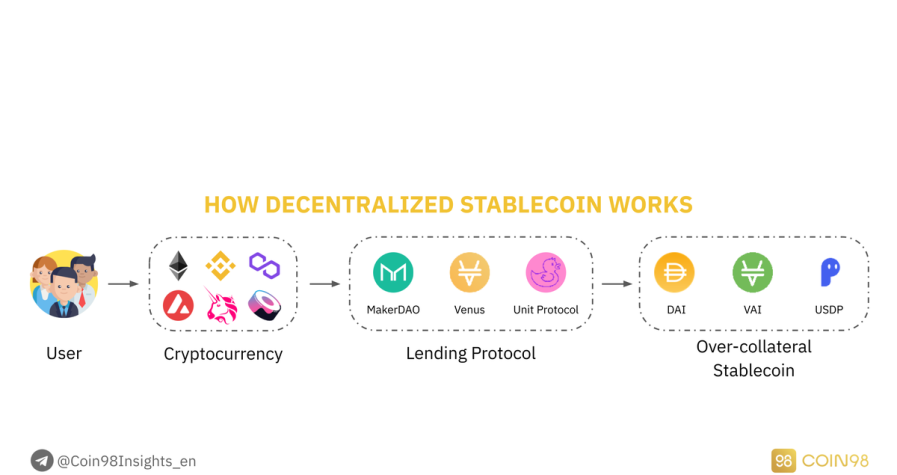
Stablecoins have moved decisively to the center of the crypto financial system, emerging as the sector’s most consistent source of revenue as overall market cycles remain uneven. While layer one ecosystems continue to rotate through speculative narratives, stablecoins have benefited from their role as settlement infrastructure, liquidity rails, and balance sheet tools. This structural position has allowed issuers to generate predictable income regardless of volatility elsewhere in the market. In 2025, stablecoin market capitalization surged toward the 300 billion mark, reinforcing their dominance in onchain activity. Rather than relying on price appreciation, stablecoin economics are driven by scale, reserves, and transaction volume. This shift highlights a maturing crypto economy where reliability and utility increasingly outweigh speculative throughput as measures of long term value creation.
Among stablecoin issuers, Tether exemplified this transformation by converting scale into substantial profitability. The firm generated more than 10 billion dollars in profit during the year, reflecting the strength of yield based income tied to expanding reserves. Much of this activity has been anchored to Ethereum, which continues to function as the dominant settlement layer for stablecoin supply. As issuance grew, revenue scaled in a steady and predictable manner, reinforcing Ethereum’s role as onchain monetary infrastructure. This dynamic has deepened liquidity across decentralized markets and strengthened the feedback loop between stablecoin growth and network usage. The result is a financial stack increasingly organized around assets designed for settlement and capital efficiency rather than speculative exposure.
The expansion of stablecoin liquidity has also reshaped the trajectory of tokenized real world assets, with platforms such as Ondo Finance emerging as major beneficiaries. Growth in tokenized treasuries, equities, and yield products has closely tracked stablecoin supply expansion, suggesting a liquidity driven rather than narrative driven cycle. As stablecoins provide the primary settlement and funding layer, demand for tokenized assets has scaled alongside them. This relationship indicates that future growth in real world asset tokenization may be constrained or accelerated by stablecoin issuance trends. Together, these developments signal a crypto market increasingly defined by infrastructure, balance sheet mechanics, and capital flows, positioning stablecoins as the foundation upon which the next phase of onchain finance is being built.