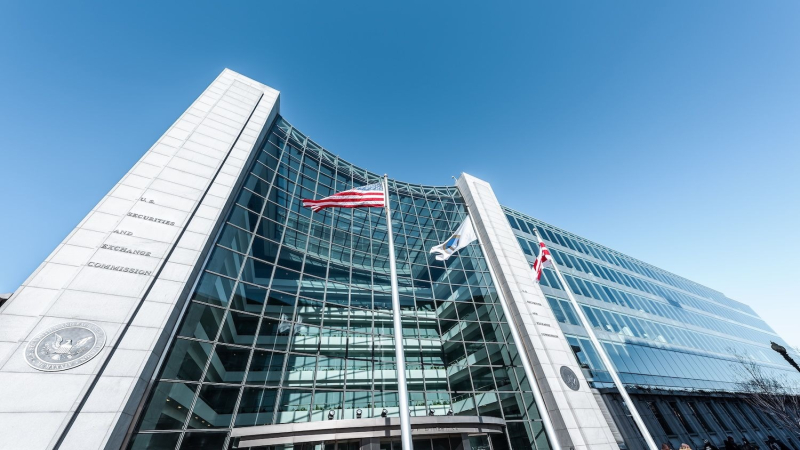
US securities regulators have cautioned that tokenization does not change the legal nature of financial instruments and cannot be used to sidestep compliance obligations. In a staff statement released this week, the U.S. Securities and Exchange Commission made clear that stocks, bonds, or similar instruments remain securities under federal law even when issued or transferred using blockchain technology. Regulators stressed that tokenization alters recordkeeping formats rather than the underlying rights or responsibilities attached to an asset. As tokenized products move from experimental pilots toward broader market use, the SEC said it aims to provide clearer guidance to firms exploring these structures. The message from staff was direct: placing securities onchain does not eliminate requirements related to issuance, sales practices, disclosures, or ongoing reporting, regardless of whether blockchain networks or traditional systems are used to track ownership.
The SEC outlined two primary models for tokenized securities, each carrying different operational features but similar legal outcomes. In issuer sponsored tokenization, companies or their agents directly link onchain transfers to official shareholder or bondholder records. This approach effectively replaces a conventional database with a blockchain based ledger while preserving all existing securities law duties. Staff also described arrangements where tokens act as a trigger for offchain updates rather than carrying the legal rights themselves. In those cases, the blockchain layer may help coordinate transfers, but the security remains legally anchored to the issuer’s traditional books. Across these models, regulators emphasized that compliance responsibilities remain unchanged, reinforcing that technology does not redefine how securities laws apply.
More complexity arises in third party tokenization, where entities unaffiliated with an issuer create crypto assets tied to existing securities. According to the SEC, these structures vary widely and can introduce new risks for investors, including exposure to the financial condition of the intermediary issuing the token. Staff highlighted custodial models, where a token represents an indirect interest in a security held elsewhere, and synthetic models that mirror price exposure through separate instruments such as linked securities or swaps. In such cases, additional regulatory requirements may apply, especially when products resemble security based swaps offered to ineligible participants. The SEC framed its guidance as a compliance roadmap, urging firms to engage early with regulators as tokenized securities development accelerates.