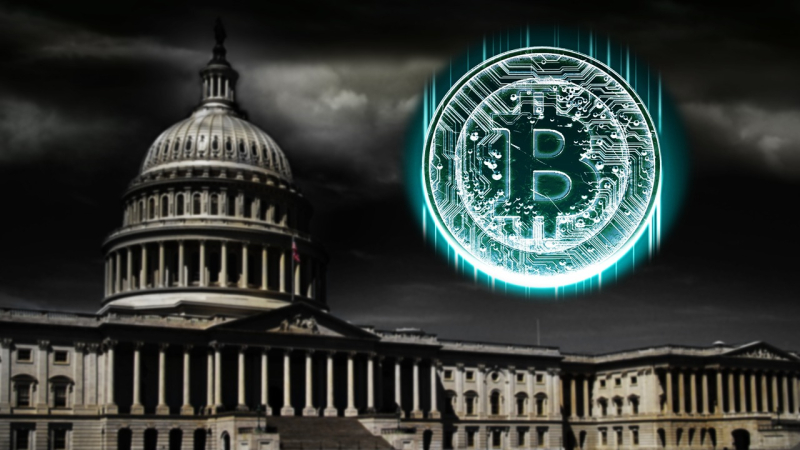
The cryptocurrency industry emerged as one of the most aggressive political spenders in the 2024 U.S. election cycle, pouring more than 130 million dollars into campaign donations, lobbying, and influence efforts nationwide. Once viewed as a fringe sector marked by extreme volatility, crypto moved decisively into the political mainstream as industry leaders sought protection from stricter regulation after the market collapse of 2022. The spending surge reflected a strategic pivot, aligning crypto firms with political figures willing to support lighter oversight and faster integration of digital assets into the financial system. What had been a boom and bust industry shifted toward institutional survival, using political leverage to secure favorable policy outcomes. The scale of spending placed crypto alongside some of the most powerful traditional industries in U.S. politics, reshaping how lawmakers approach digital asset legislation and signaling that crypto intends to be a permanent force in Washington.
A key turning point was the industry’s growing alignment with President Donald Trump, despite his earlier skepticism toward bitcoin and competing currencies. As crypto markets recovered and regulatory pressure intensified, the relationship evolved into a mutually beneficial alliance. Industry advocates viewed Trump as a counterweight to tighter rules proposed by regulators and Democratic lawmakers, while Trump embraced crypto as part of a broader pro business, anti establishment narrative. This alignment helped push crypto policy debates into the center of national politics, linking digital assets with broader questions about financial power, governance, and economic risk. Critics argue that this fusion of political ambition and speculative finance risks prioritizing industry interests over consumer protection, especially as crypto products increasingly intersect with retirement accounts, pensions, and mainstream investment vehicles.
The political rise of crypto has raised concerns about long term systemic consequences. Analysts warn that rapid integration of high risk digital assets into the financial system could expose everyday investors to volatility historically confined to speculative markets. Unlike past cycles, the industry is no longer operating at the margins but actively shaping the rules under which it operates. Supporters argue that regulatory clarity will stabilize markets and encourage innovation, while critics see the political spending as an attempt to entrench a fragile business model before the next downturn. As crypto continues to influence policy debates, the central question remains whether this new political power will strengthen financial resilience or amplify the risks of another boom and bust cycle, this time with far wider consequences.