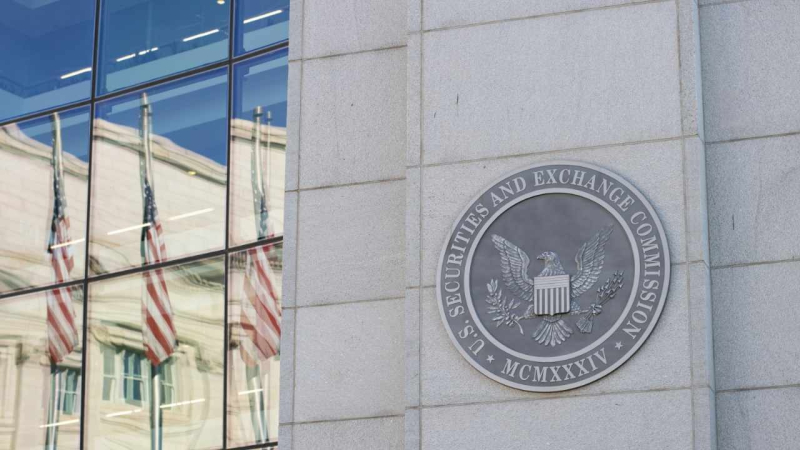
Tokenization is being framed by US regulators as a natural step in the evolution of financial markets rather than a disruptive force that requires rewriting securities law. This position was outlined by Mark T. Uyeda during remarks delivered at a derivatives and asset management forum in Austin, where he described how the Securities and Exchange Commission is evaluating blockchain based systems as a way to modernize market infrastructure while preserving investor protections.
Uyeda explained that regulators are exploring the possibility of migrating securities records from traditional centralized databases to distributed ledger systems. In this model, ownership rights and contractual obligations would be represented through digital tokens recorded on blockchain networks. Rather than changing the nature of securities themselves, tokenization would change how those rights are recorded, transferred, and reconciled across market participants.
According to Uyeda, tokenization should be understood as part of a long arc of technological change that has continuously reshaped financial markets. From paper certificates to electronic book entry systems, markets have repeatedly adopted new tools to improve efficiency. Blockchain based tokenization, he argued, fits squarely within that historical pattern rather than standing outside it.
He highlighted several potential benefits if tokenized systems are designed correctly. Encoding ownership and transaction history directly into digital tokens could improve transparency, make record keeping more resilient, and reduce errors in post trade processing. Distributed ledgers may also enhance auditability by creating immutable records of issuance and transfer, which could help address longstanding challenges around shareholder identification and corporate actions.
At the same time, Uyeda was clear that tokenization does not alter the legal status of securities. Tokenized stocks, bonds, or funds would remain subject to federal securities laws, disclosure requirements, and oversight by the U.S. Securities and Exchange Commission. The use of blockchain technology does not create exemptions from existing rules, nor does it reduce the responsibilities of issuers, intermediaries, or market operators.
Uyeda outlined a regulatory philosophy focused on outcomes rather than specific technologies. He said the SEC is pursuing a technology neutral approach that allows innovation while maintaining guardrails around investor protection and market integrity. Instead of relying on enforcement actions to define policy boundaries, the commission has emphasized engagement through public roundtables, staff guidance, requests for comment, and limited exemptive relief to test new structures.
One area where tokenization could have a meaningful impact is settlement speed. Shorter settlement cycles can reduce counterparty risk and free up capital tied up in margin and collateral. Uyeda noted that faster settlement combined with clearer visibility into ownership could reduce friction across the market and strengthen confidence in the financial system.
The remarks suggest that US regulators are increasingly viewing tokenization as an infrastructure upgrade rather than a threat to existing frameworks. By allowing measured experimentation within established legal boundaries, the SEC appears to be signaling that blockchain based market systems may play a growing role in how securities are issued, traded, and settled without undermining the core principles that govern US capital markets.