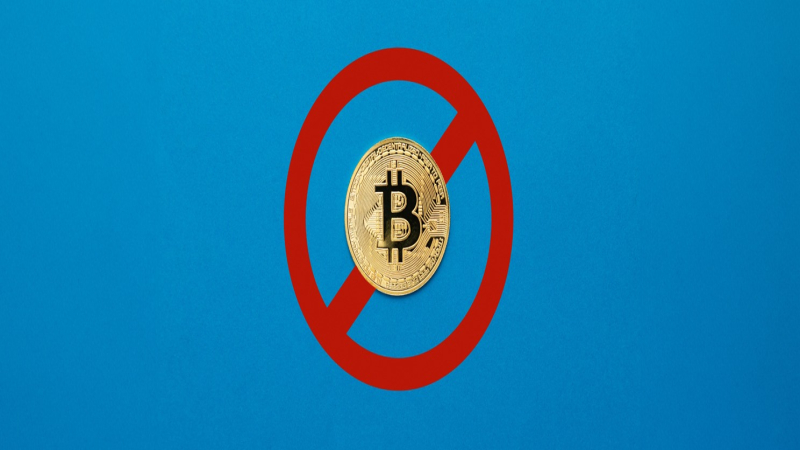
Chinese authorities have reaffirmed and clarified the country’s sweeping prohibition on digital asset activity, issuing updated guidance that explicitly tightens rules around stablecoins and the tokenization of real world assets. Eight major government bodies, including the central bank and securities regulator, jointly released a statement underscoring that virtual currency related business activities remain illegal financial activities under national law.
The notice reiterated China’s longstanding ban on cryptocurrency trading and related services, first formalized in 2021 when the People’s Bank of China and several other agencies moved to curb speculative activity in digital assets. Officials stated that recent increases in virtual currency speculation and tokenized real world asset projects have disrupted economic and financial order while posing risks to public property safety.
A key clarification in the updated statement concerns stablecoins, particularly those linked to the Chinese renminbi. Authorities made explicit that no domestic or foreign entity may issue renminbi pegged stablecoins overseas without approval. The move reflects growing concern among regulators that offshore yuan linked tokens could circumvent capital controls or create parallel payment channels beyond official oversight. Stablecoins tied to sovereign currencies have become a focal point globally as policymakers assess their impact on monetary policy and financial stability.
The statement also addressed real world asset tokenization, an emerging sector that seeks to represent physical or financial assets on blockchain networks. Chinese regulators declared that conducting tokenization activities within the country, or providing related intermediary or information technology services, may constitute illegal token issuance, unauthorized public offerings of securities, illegal fundraising, or other financial violations. Foreign entities are similarly prohibited from offering such services to domestic participants in any form deemed unlawful.
To strengthen enforcement, the authorities announced the formation of a new joint force aimed at guiding regional governments in risk prevention and disposal work related to illegal financial activities involving tokenized assets. This coordination mechanism will involve not only financial regulators but also public security bodies, market supervision agencies, and judicial authorities. The effort signals a comprehensive approach combining regulatory oversight, law enforcement, and internet governance.
The updated guidance follows prior statements from the People’s Bank of China that emphasized maintaining a hardline stance on digital currencies while expressing particular caution regarding stablecoins. By explicitly referencing renminbi linked tokens and real world asset projects, regulators appear to be closing perceived gaps in interpretation that may have emerged as blockchain innovation evolved.
China’s position stands in contrast to jurisdictions that are developing licensing regimes for stablecoin issuers and tokenized asset platforms. The reinforced ban and clarified rules suggest that domestic entities engaging in digital asset related business overseas will also face close scrutiny, reflecting Beijing’s continued emphasis on financial stability and capital control in the digital era.