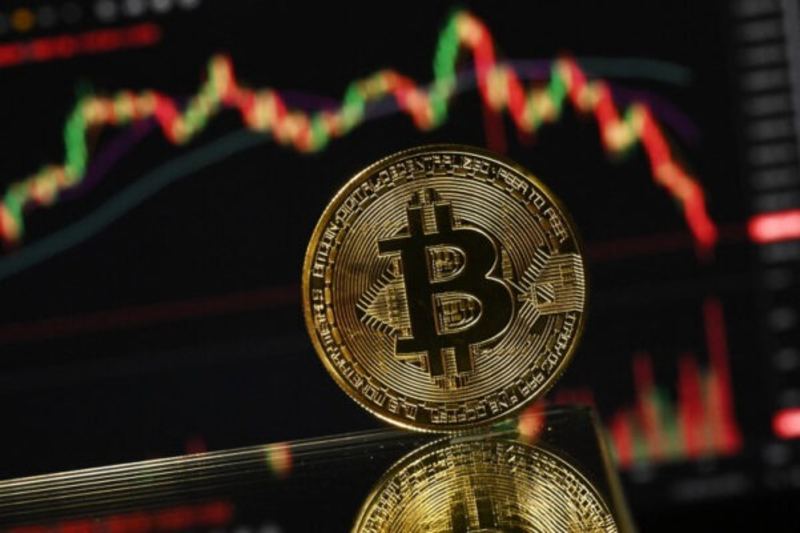
Bitcoin and global equity markets recovered during the week after an early selloff triggered by escalating geopolitical tensions involving the United States, Israel and Iran. The sudden spike in oil prices earlier in the week initially pushed investors toward safer assets and created volatility across financial markets. However risk assets stabilized as market participants adjusted to the situation and policymakers attempted to calm concerns around global energy supplies. Despite the rebound in cryptocurrencies and stocks, the bond market is signaling a more cautious outlook as rising yields suggest investors are reassessing inflation risks and the future path of interest rates.
Bitcoin climbed above seventy thousand dollars by the end of the week, gaining nearly ten percent after briefly falling to around sixty five thousand dollars during the initial market reaction to the conflict. The leading cryptocurrency had also touched levels close to seventy four thousand dollars earlier in the week before settling lower as volatility spread across financial markets. Global equity markets showed a similar pattern. Futures tied to the S and P five hundred index dropped sharply earlier in the week before recovering as investor sentiment improved following reassurances about oil shipments and global supply stability.
The initial market shock was driven largely by the surge in oil prices after reports that Iranian forces had blocked oil tankers traveling through the Strait of Hormuz, one of the most critical routes for global energy shipments. The disruption raised fears of a potential supply crisis that could push fuel prices significantly higher and increase inflation pressures worldwide. Markets later stabilized after the United States announced measures aimed at protecting shipping lanes, including naval escorts and financial risk protection for vessels transporting oil and gas through the region.
While equities and cryptocurrencies stabilized, the bond market continued to move in the opposite direction. The yield on the ten year United States Treasury note rose steadily throughout the week, increasing from about three point nine three percent to roughly four point one five percent. Short term yields also climbed sharply, with the two year Treasury yield rising to nearly three point six percent. Rising yields typically reflect expectations that interest rates may remain higher for longer, suggesting that investors are becoming less confident that the Federal Reserve will cut borrowing costs in the near future.
Market analysts say the increase in bond yields reflects growing concern that higher oil prices could reignite inflation across the global economy. Energy costs often take time to filter through supply chains, meaning the inflationary effects of a geopolitical shock can develop gradually over several weeks. Historically oil prices have tended to rise significantly following major geopolitical disruptions, sometimes climbing twenty to thirty percent within a few months. If energy prices continue rising, central banks may face pressure to maintain restrictive monetary policy for a longer period.
Recent economic data from the United States has also strengthened the case for caution in financial markets. Economic activity in the services sector continued expanding in February according to the latest industry indicators, while employment data showed stronger than expected job creation. These signals suggest the economy remains resilient despite global uncertainties. As a result investors have reduced expectations that the Federal Reserve will deliver multiple interest rate cuts this year, a shift that could influence both equity and cryptocurrency market performance in the coming months.
Financial markets are now focusing on upcoming economic reports that could shape the next phase of monetary policy expectations. Investors are closely watching employment data and wage growth figures for signs of persistent inflationary pressure. A stronger than expected reading could further weaken expectations for rate cuts and create additional volatility across asset classes including stocks, cryptocurrencies and government bonds as traders continue adjusting to the evolving global economic environment.