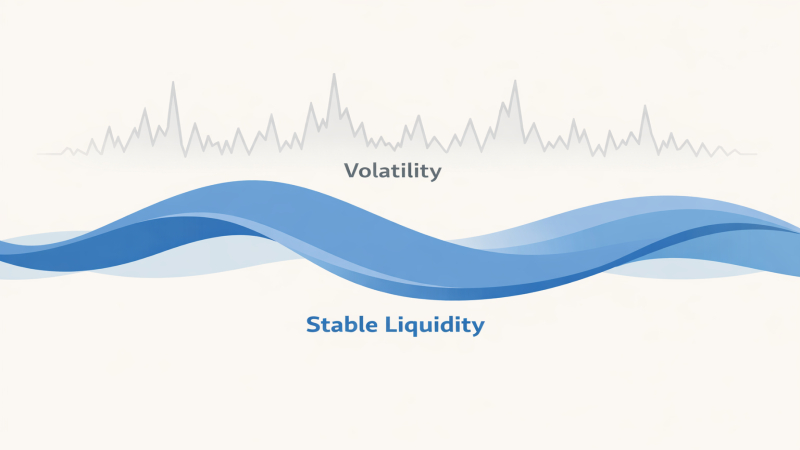
Wallet analytics provide institutions with the tools to monitor flows, track whales, and build transparency into stablecoin markets.
Introduction
Stablecoins have evolved from niche trading instruments into systemic liquidity anchors. Institutions now manage billions of dollars in stablecoin holdings across multiple chains and protocols. With this scale comes the need for wallet analytics — systems that map on-chain flows, identify systemic risks, and highlight opportunities.
For individual users, wallet trackers are convenience tools. For institutions, they are mission-critical infrastructure. In 2025, wallet analytics determine how treasuries allocate capital, how compliance officers ensure oversight, and how risk managers maintain resilience. This guide explores the essential features, applications, and best practices for institutional wallet analytics.
What Are Stablecoin Wallet Analytics?
Wallet analytics platforms monitor the movement of stablecoins across blockchain addresses. They provide data on:
Top wallets holding the largest supply.
Distribution metrics that reveal concentration risks.
Transaction flows across exchanges, protocols, and chains.
Whale alerts that notify institutions of large transfers.
For institutions, these insights transform raw on-chain data into actionable intelligence.
Why Institutions Need Wallet Analytics
Risk Oversight
Stablecoin portfolios often involve exposure to billions in liquidity. Institutions cannot rely on surface-level metrics like market cap alone. Wallet analytics highlight whether liquidity is widely distributed or dominated by whales, exposing systemic vulnerabilities.
Compliance Assurance
Regulators demand transparency. Wallet analytics ensure that institutions avoid exposure to sanctioned addresses, monitor counterparties, and generate audit-ready reports.
Capital Allocation
Funds use wallet analytics to identify where liquidity is flowing. For example, rising deposits into DeFi protocols may signal opportunity, while concentrated outflows may indicate stress.
Market Signals
Wallet flows often precede price and liquidity shifts. By monitoring wallets, institutions gain early signals of volatility, enabling proactive strategies.
Core Features of Wallet Analytics Platforms
1. Top Wallet Rankings
Platforms rank wallets by supply held, providing a snapshot of concentration. Institutions monitor these rankings to assess whether stablecoins are broadly trusted or reliant on a few large holders.
2. Whale Tracking and Alerts
Whale wallets drive market flows. Analytics platforms send alerts when whales move capital across exchanges or protocols, giving institutions early warnings of stress or opportunity.
3. Cross-Chain Mapping
Stablecoins circulate across Ethereum, Solana, BSC, and Layer-2s. Cross-chain mapping consolidates data into one view, allowing institutions to track liquidity regardless of its location.
4. Velocity Analysis
Wallet analytics often integrate velocity metrics, showing how quickly funds move between addresses. Rising velocity may signal active trading, while declining velocity could reflect defensive hoarding.
5. Compliance Modules
Advanced platforms integrate with sanction lists, automatically flagging risky wallets. Institutions use these features to ensure clean flows and avoid penalties.
Institutional Use Cases
Treasury Management
Corporate treasuries use wallet analytics to monitor their stablecoin reserves, ensuring diversification across custodians and protocols.
Hedge Funds
Funds rely on wallet data to anticipate whale-driven flows, adjusting positions before markets react.
Exchanges and Market Makers
Liquidity providers track wallets to gauge whether capital is entering or leaving platforms, helping them optimize spreads and depth.
Regulators and Auditors
Supervisory bodies increasingly use wallet analytics to evaluate transparency, ensuring that systemic risks are visible.
AI and Wallet Analytics
Artificial intelligence is enhancing wallet analytics by:
Classifying wallets as whales, exchanges, protocols, or treasuries.
Predicting wallet behavior based on past activity.
Detecting anomalies that may signal fraud or systemic stress.
For institutions, AI-driven wallet analytics transform descriptive tools into predictive engines.
Case Studies of Wallet Flow Events
Exchange Inflows During Market Stress
In previous downturns, wallet analytics showed massive inflows of stablecoins into exchanges. These flows preceded selloffs, allowing institutions to hedge early.
Whale Withdrawals From DeFi Pools
Large withdrawals from lending protocols highlighted liquidity risks before they escalated. Funds using wallet analytics reduced exposure and avoided losses.
These examples underscore why wallet analytics are critical for foresight.
Challenges in Wallet Analytics
Despite progress, institutions face challenges:
Data overload: Millions of transactions require filtering.
Attribution gaps: Identifying whether a wallet belongs to an exchange, whale, or treasury can be complex.
Cross-chain fragmentation: Data remains scattered across ecosystems.
Advanced platforms mitigate these challenges with AI classification, integration layers, and customizable dashboards.
Best Practices for Institutions
Integrate Wallet Analytics Into Dashboards
Combine wallet data with peg monitoring, TVL analysis, and compliance reporting for holistic oversight.
Customize Alerts
Tailor whale and concentration alerts to institutional thresholds, avoiding unnecessary noise.
Pair Wallet Analytics With Stress Testing
Simulate outcomes if top wallets shift liquidity suddenly. This ensures portfolios remain resilient under shocks.
Audit Regularly
Use wallet analytics to prepare audit-ready reports, reducing compliance risk and strengthening regulator trust.
The Future of Wallet Analytics
By 2025 and beyond, wallet analytics will expand into fully integrated institutional platforms. Expect:
Real-time AI-driven classifications of wallets.
Cross-chain standardization that unifies fragmented data.
Predictive alerts that forecast whale-driven volatility.
Regulatory adoption of wallet analytics as official oversight tools.
As stablecoin markets mature, wallet analytics will be the compass guiding institutions through complex liquidity environments.