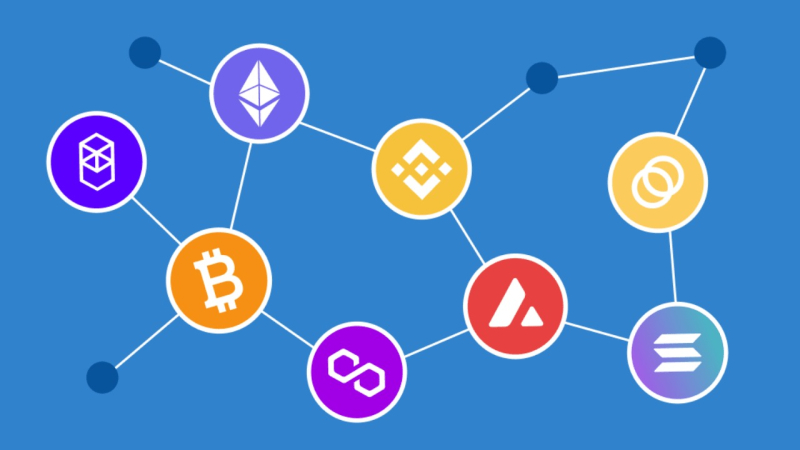
Cross chain routing has become a foundational component of modern decentralized finance as liquidity increasingly spans multiple networks with different settlement speeds, fee structures, and technical capabilities. Efficient routing determines how easily capital can move between chains and how effectively users can access opportunities across ecosystems. As institutional participation grows and liquidity becomes more interconnected, routing performance now plays a central role in shaping overall market mobility.
Routing efficiency influences both the cost and the reliability of transferring assets across chains. When routing systems function smoothly, liquidity flows more naturally toward platforms offering competitive yields or deeper markets. Conversely, inefficient routing can create bottlenecks that slow down capital migration and affect trading conditions. This makes an in depth review of cross chain routing essential for understanding how decentralized markets behave during periods of expansion and stress.
How Routing Efficiency Shapes Liquidity Distribution Across Networks
Cross chain routing efficiency is one of the most important drivers of capital mobility. When routes between chains are fast, predictable, and cost effective, liquidity tends to follow opportunities regardless of where they arise. Analysts track routing data to understand which networks are benefiting from increased inflows and which may be losing liquidity due to friction. Routing speed also affects market depth because capital that moves quickly can be deployed into liquidity pools and collateral systems without delay.
Routing delays or failures often signal broader issues within network infrastructure. High latency can cause capital to become temporarily locked, reducing available liquidity during periods when markets require responsiveness. This can lead to widening spreads and reduced trading efficiency. Stableasset transfers, in particular, depend heavily on routing reliability because they often support arbitrage, collateral rebalancing, and access to yield platforms. Any disruption in routing therefore has a direct impact on liquidity distribution.
The Role of Bridges in Cross Chain Liquidity Flow
Bridges facilitate the majority of cross chain transfers and are a critical element of routing systems. Their performance influences how quickly users can move capital from one network to another. When bridge throughput is high and confirmations are stable, routing improves and liquidity migrates more smoothly. However, congestion, security constraints, or high fees can slow transfers and discourage capital movement.
Analysts monitor bridge performance metrics such as transaction confirmation times, volume capacity, and success rates. These indicators reflect the health of cross chain connectivity and highlight potential friction points. When bridges experience congestion, users may delay reallocations or shift to alternative paths, which affects liquidity trends across multiple protocols.
Impact of Routing Path Selection on Capital Efficiency
Routing platforms often use algorithms to determine the most efficient path for cross chain transfers. These algorithms consider factors such as fee rates, network conditions, and transaction congestion. Efficient path selection helps reduce costs and ensures that liquidity reaches its intended destination quickly. When routing systems choose suboptimal paths, users may face delays or higher fees, which can reduce overall capital efficiency.
The growing complexity of decentralized markets means that routing algorithms must adapt to shifting conditions. Market participants increasingly rely on real time data to evaluate whether routing paths remain optimal. This data includes bridge load, chain throughput, and fee fluctuations. Adjusting routing paths in response to these variables has become an essential part of maintaining capital mobility.
How Routing Efficiency Supports Market Stability and User Experience
Efficient routing enhances the overall resilience of decentralized markets by ensuring that liquidity can move when needed. During periods of volatility, rapid capital movement helps stabilize markets by allowing users to rebalance positions and provide liquidity where demand is rising. In contrast, inefficient routing can exacerbate stress by limiting access to liquidity and slowing down the redistribution of capital.
User experience is also heavily shaped by routing performance. Faster and cheaper transfers encourage broader participation and support the growth of multi chain ecosystems. As users encounter fewer obstacles, they become more willing to interact with a wider range of applications. This contributes to healthier liquidity distribution and helps reduce concentration on a single network.
Conclusion
Cross chain routing efficiency plays a central role in determining how liquidity moves across decentralized markets. Reliable routing systems help maintain capital mobility, support stableasset flows, and enhance user experience. By monitoring bridge performance and routing path selection, analysts can better understand where liquidity is heading and how network conditions influence overall market stability.