Stable finance is often discussed in extremes. Some portray it as a revolutionary replacement for traditional money, while others dismiss it as speculative technology with limited real world value. Both views miss the practical reality. Stable finance sits between innovation and existing financial systems, shaped by policy, infrastructure, and institutional constraints.
Understanding stable finance without hype requires focusing on function rather than narrative. It is less about dramatic disruption and more about how new settlement tools, governance models, and liquidity mechanisms interact with established financial frameworks. This guide aims to clarify what stable finance is, how it is used, and why it matters in a grounded and realistic way.
What stable finance actually refers to
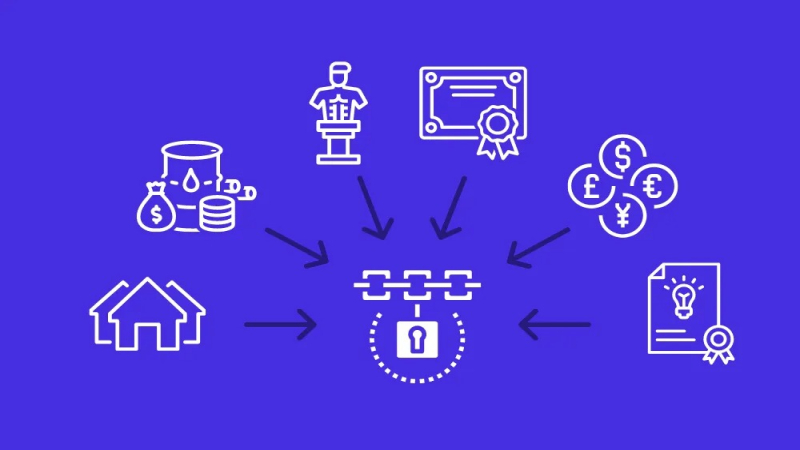
Stable finance refers to financial arrangements designed to reduce volatility and uncertainty in digital value transfer. It includes stablecoins, tokenized settlement instruments, and related infrastructure that aim to provide predictable value and reliable settlement.
Unlike speculative assets, stable finance tools are built to support transactions, liquidity management, and settlement. Their purpose is operational rather than investment driven. This distinction is important because it shapes how institutions and policymakers evaluate them.
Stable finance does not exist outside the financial system. It increasingly operates within regulatory frameworks and interacts with banks, payment systems, and market infrastructure. Understanding this context helps separate practical use from exaggerated claims.
Stability is an outcome, not a promise
A common misconception is that stability is guaranteed by design. In reality, stability is an outcome supported by structure. Reserve quality, governance, and operational controls determine whether a stable instrument behaves predictably.
Institutions assess stability by examining how assets are backed, how redemptions are handled, and how risks are managed. A stable label alone is insufficient. Stability must be demonstrated across market conditions.
This focus on structure explains why some stable finance models gain institutional trust while others remain limited in scope. Stability without credible support mechanisms does not scale.
Why stable finance exists alongside traditional systems
Stable finance has emerged because traditional systems face practical constraints. Cross border payments can be slow and costly. Settlement delays create liquidity inefficiencies. Stable finance tools attempt to address these issues without replacing core institutions.
Rather than competing directly with banks or central banks, stable finance often complements existing infrastructure. It can provide alternative settlement rails or improve operational efficiency in specific use cases.
This coexistence model reflects reality. Financial systems evolve incrementally. New tools are adopted when they improve outcomes within established boundaries.
Regulation shapes what is viable
Regulation plays a central role in defining stable finance. Policymakers focus on financial stability, consumer protection, and monetary integrity. Stable finance models that align with these priorities are more likely to be accepted.
Regulatory frameworks influence reserve requirements, disclosure standards, and governance expectations. These rules shape which models can operate at scale and which remain experimental.
Understanding stable finance therefore requires understanding regulation. Innovation is constrained and guided by policy rather than existing in isolation.
Institutional use cases differ from retail narratives
Retail narratives often emphasize speed and accessibility. Institutional use cases focus on reliability, auditability, and risk management. This difference explains why institutional adoption appears slower.
Institutions use stable finance tools for settlement efficiency, treasury operations, or collateral management rather than speculative trading. These applications require integration with existing systems and compliance processes.
As a result, stable finance adoption in institutional contexts is deliberate and controlled. This pace reflects responsibility rather than lack of interest.
What stable finance does not do
Stable finance does not eliminate financial risk. It reshapes where risk sits and how it is managed. Operational risk, governance risk, and legal risk remain relevant.
It also does not remove the role of the state. Governments retain authority over monetary policy and financial regulation. Stable finance operates within these constraints.
Finally, stable finance is not uniform. Different models serve different purposes. Expecting one solution to meet all needs leads to misunderstanding.
How to evaluate stable finance realistically
A practical evaluation focuses on fundamentals. Ask what problem a stable finance tool addresses. Examine how it is governed and regulated. Consider whether it integrates with existing systems.
Avoid narratives that frame stable finance as inevitable or transformative without evidence. Sustainable adoption depends on alignment with institutions and policy frameworks.
By focusing on function, structure, and context, stable finance can be understood as a set of tools rather than a movement.
Why removing hype matters
Hype distorts expectations. It encourages unrealistic timelines and overlooks constraints. For institutions and policymakers, hype increases risk by obscuring practical considerations.
Removing hype allows for clearer decision making. It supports thoughtful adoption based on evidence rather than momentum. This approach benefits both innovation and stability.
Stable finance progresses best when treated as infrastructure rather than ideology. Its value lies in quiet improvements, not dramatic promises.
Conclusion
Understanding stable finance without hype means focusing on how it works rather than what it is claimed to replace. Stable finance is about predictable settlement, governance, and integration within existing systems. When viewed through this practical lens, it becomes a set of useful tools shaped by policy and infrastructure rather than a speculative narrative.