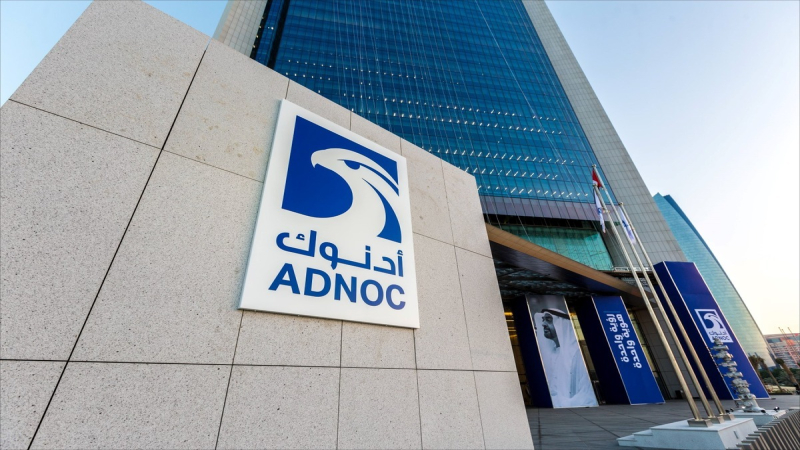
ADNOC Distribution has begun integrating stablecoin payments into its retail operations, marking a notable step in the practical use of regulated digital currencies in everyday commerce. The fuel and convenience retailer plans to accept AE Coin across nearly 980 service stations spanning the United Arab Emirates, Saudi Arabia, and Egypt. Payments will be enabled at fuel pumps, convenience stores, and car wash locations through a digital wallet supported by a local banking partner. AE Coin is structured as a fiat backed digital asset with a one to one peg to the UAE dirham and operates under central bank licensing. Its deployment at scale places a sovereign approved stablecoin directly into high frequency consumer transactions, extending digital settlement beyond pilot programs and limited merchant trials into a regionally distributed retail network.
The rollout reflects a broader effort by institutions in the Gulf region to combine regulatory oversight with blockchain based payment infrastructure. By embedding stablecoin acceptance into existing point of sale systems, the initiative tests whether digital currencies can operate reliably alongside card and cash payments without disrupting operational efficiency. For merchants, the model offers potential benefits related to settlement speed and reconciliation while maintaining compliance with domestic monetary frameworks. For policymakers, the project provides a controlled environment to observe usage patterns, transaction volumes, and consumer adoption. The structure also highlights how regulated stablecoins can serve as a bridge between traditional banking rails and digital payment innovation when supported by licensed issuers and established financial institutions.
At a market level, the move underscores a shift from speculative stablecoin use toward functional payment adoption anchored in real world activity. Fuel retail represents a high volume, low margin sector where payment reliability and cost efficiency are critical, making it a meaningful test case for digital currency integration. If adoption proves operationally sound, similar models could extend to other retail and service industries across the region. The initiative also reinforces the role of stablecoins as payment instruments rather than investment products, aligning with regulatory priorities around consumer protection and monetary stability. As more jurisdictions explore state supervised digital currencies, large scale retail acceptance may become a key indicator of which stablecoin frameworks can support sustained institutional and commercial use.