Tokenized assets are often discussed as new financial products competing for investor attention. This framing misses their deeper significance. For institutions, tokenization is not about launching another instrument but about…


Tokenized assets are often discussed as new financial products competing for investor attention. This framing misses their deeper significance. For institutions, tokenization is not about launching another instrument but about…
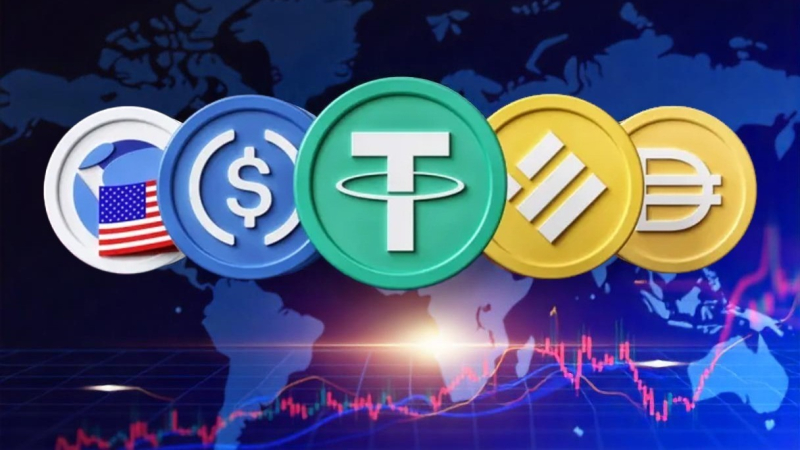
The evolution of digital finance is not being driven by headline announcements or public confrontations between old and new systems. Instead, a quieter competition is unfolding beneath the surface, centered…

Stablecoin regulation is often portrayed as a threat to innovation, framed as an attempt to slow down or restrict technological progress. This interpretation misunderstands the primary objective of regulators and…
Stablecoins are often discussed in terms of speed, cost, and technological design, but for institutional users, reserves remain the central concern. The ability of a stablecoin to maintain value depends…

Cross border payments have long been one of the most inefficient areas of global finance. Delays, high fees, currency conversion friction, and limited transparency continue to affect businesses and institutions…
Stablecoins rarely generate excitement compared to volatile crypto assets, yet they have become one of the most important components of digital finance. Their role is not to attract attention but…
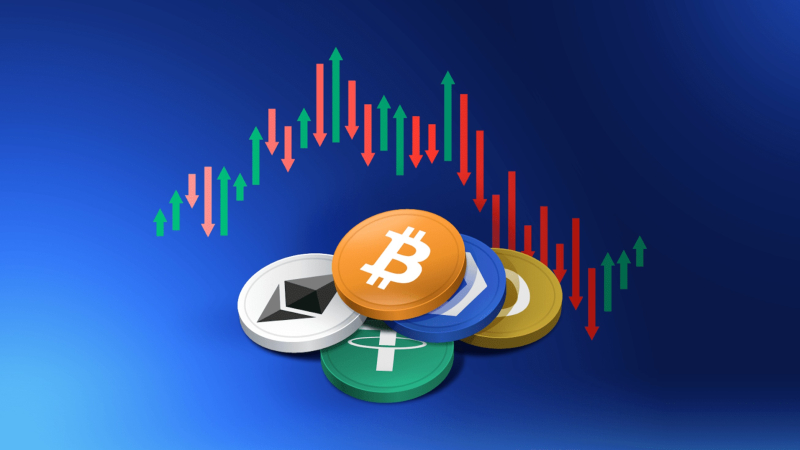
Crypto markets were once defined almost entirely by speculation. Volatility was not a side effect but the central feature, shaping how risk was perceived and priced. For institutions observing from…

For much of crypto’s history, price movements dominated attention. Market cycles, volatility, and speculative narratives shaped how digital assets were evaluated. In 2026, that focus is changing. Institutions and long…

Regulation has often been framed as either a catalyst or a constraint for crypto markets. When rules appear favorable, prices are expected to rise, and when uncertainty grows, sentiment weakens.…

Tokenization has spent years surrounded by ambitious claims about transforming finance overnight. Yet most institutions have remained cautious, waiting for tangible benefits rather than conceptual promises. In 2026, the conversation…