Title: Asian Institutions Increase Stablecoin Focus as Regulatory Clarity Advances
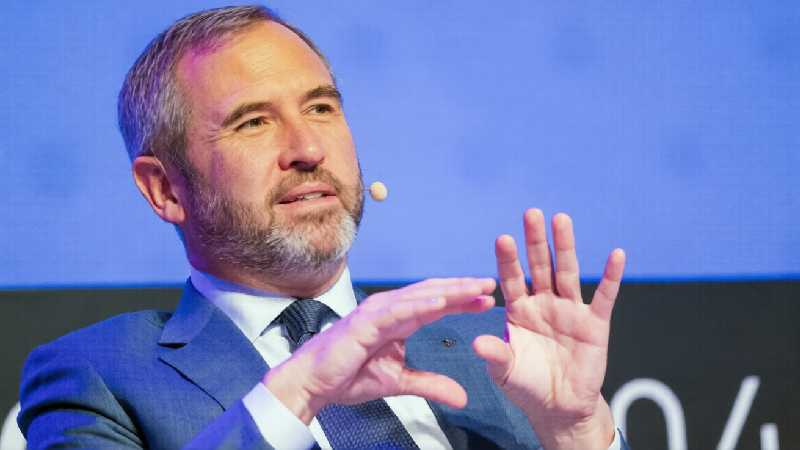
Institutional participation in Asia’s crypto market is entering a more structured phase, with industry experts pointing to a clear pivot toward stablecoins and regulated investment vehicles. At the recent Consensus conference in Hong Kong, panelists highlighted how evolving regulatory frameworks across the region are reshaping how traditional capital engages with digital assets.
Transaction volumes tied to institutional crypto activity in Asia reportedly climbed to approximately 2.3 trillion dollars by mid 2025, marking significant year over year growth. However, speakers emphasized that while participation is expanding, capital allocation remains measured and risk aware. Rather than pursuing highly volatile directional trades, institutions are increasingly favoring market neutral strategies and yield focused products.
Regulatory clarity in hubs such as Hong Kong and Japan has played a central role in this transition. Hong Kong’s approval of crypto exchange traded funds and perpetual futures products has provided more familiar structures for asset managers and banks. These developments allow institutions to access digital asset exposure through vehicles that align with established compliance and governance standards.
In Japan, major banks are actively exploring stablecoin initiatives designed to build regulated settlement infrastructure for traditional capital. Industry participants described this shift as a move toward constructing reliable payment rails rather than speculating on token price appreciation. Stablecoins, with their price stability and fiat backing, are increasingly viewed as foundational tools for cross border transfers, treasury management, and real world asset tokenization.
Panelists noted that institutional adoption in Asia must pass through extensive internal review processes, including risk committees and operational governance frameworks. Historically, such structures were not readily compatible with onchain financial products. As regulatory guidance improves, institutions are finding clearer pathways to integrate blockchain based systems within their compliance requirements.
Stablecoin settlement and real world asset tokenization were recurring themes throughout the discussion. While interest in these areas is rising, experts acknowledged that full scale treasury integration within large corporations remains gradual. Standardization and regulatory harmonization are seen as key prerequisites before internal treasury departments widely adopt stablecoin based systems.
Participants also suggested that the convergence of artificial intelligence and digital assets could further accelerate institutional engagement. The view emerging from the conference is that digital assets may evolve beyond being a standalone alternative investment class. Instead, they could function as programmable financial layers supporting automated systems and machine driven economic activity.
Overall, the tone at Consensus reflected cautious optimism. Asian institutions appear committed to long term participation but are prioritizing regulatory compliance, yield generation, and infrastructure development over speculative trading. As frameworks mature and stablecoin standards solidify, the region could continue to play a central role in shaping the next phase of institutional crypto adoption.