The White House convened a second closed door meeting on February 10 as policymakers intensified efforts to resolve a growing standoff between traditional banks and the cryptocurrency industry over stablecoin…

The White House convened a second closed door meeting on February 10 as policymakers intensified efforts to resolve a growing standoff between traditional banks and the cryptocurrency industry over stablecoin…
The United Kingdom House of Lords has opened its first formal hearing into stablecoins with a noticeably cautious tone, as lawmakers heard strong skepticism from expert witnesses about safety, regulation,…

Institutional behavior in digital asset markets is rarely driven by headlines alone. It is shaped by balance sheet discipline, compliance considerations, and a growing reliance on verifiable on-chain data. Over…
China has significantly widened its long standing crackdown on cryptocurrencies, extending restrictions to stablecoins and tokenized assets in a move that reinforces the country’s strict stance on digital finance. Regulators…
Tensions between the cryptocurrency industry and traditional banks are escalating as debates intensify over stablecoin yields and access to the U.S. Federal Reserve’s payment infrastructure. What began as a technical…
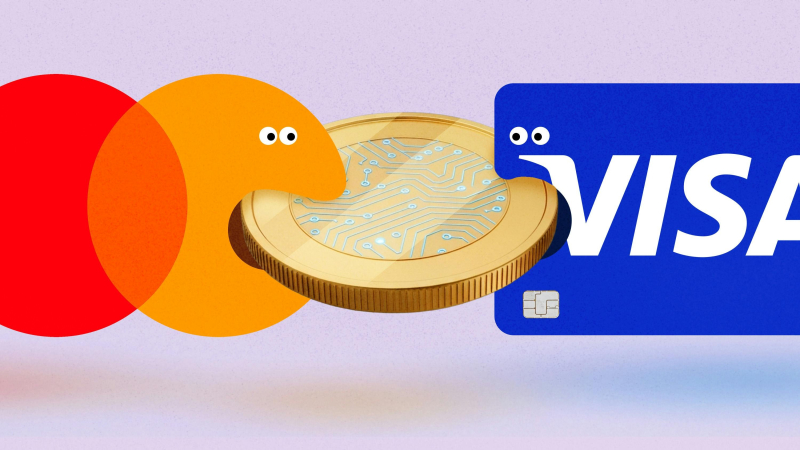
Recent comments from senior executives at Visa and Mastercard have reignited debate over whether stablecoins truly have a future in developed markets. During earnings calls, leaders at the two global…
A high level White House meeting scheduled for February 10 is emerging as a potential turning point for the U.S. crypto market, with stablecoins sitting at the center of an…

Japan’s stablecoin market is entering a pivotal phase, revealing a clear two track structure that reflects both domestic priorities and global realities. As new partnerships form and pilot programs expand,…

Tether is accelerating its global expansion as rising profits from stablecoin adoption allow the company to invest more aggressively in talent, technology, and strategic ventures. The issuer of the world’s…
South Korea’s financial watchdog has called for stronger cryptocurrency regulations following a major operational failure at a local exchange that briefly sent shockwaves through the market. The incident, involving an…